
Dartmouth Health's Shocking New Initiative: How Climate Change Could Impact Your Cancer Treatment!

In the sprawling landscape of Northern California, 2022 was marked by fierce wildfires that transformed the skies into an eerie orange hue. As Dr. Katie Lichter walked home from her medical practice, she had a profound realization about the intersection of climate change and healthcare, particularly in cancer treatment. Her thoughts turned to a patient battling advanced lung cancer, whose treatment regimen was severely disrupted by the fires. With rides to appointments rendered unreliable and even his radiation oncology clinic forced to close, Lichter began to question whether healthcare providers were adequately considering how climate change might affect access to care and treatment outcomes.
"As I walked home, it was actually the day that we had the first orange skies in California, and [I] really started thinking about how maybe it wasn't a unique one-off story, but maybe things like a global pandemic, wildfires—maybe there's something to look into here," Lichter recounted. This moment sparked a deeper investigation into how environmental factors could impact cancer care.
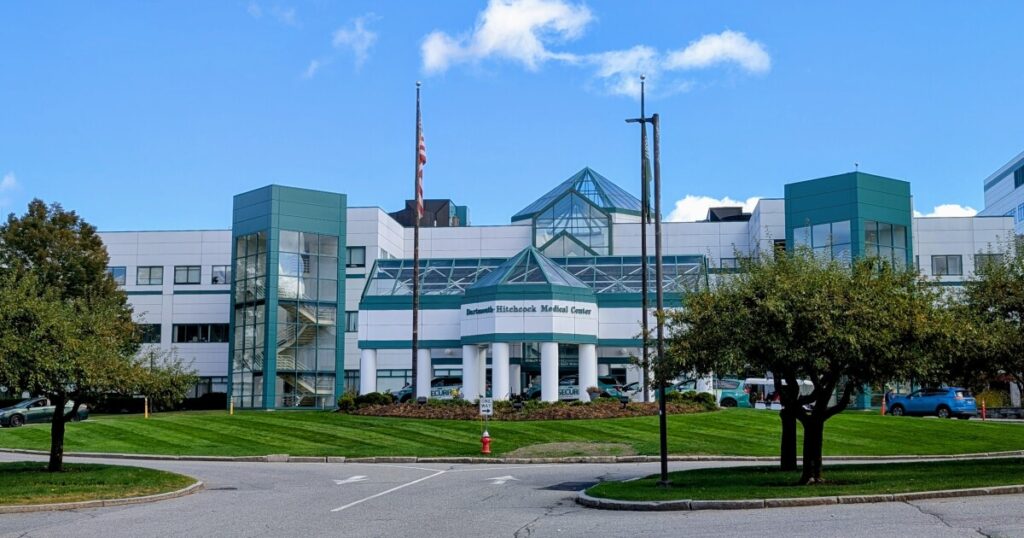
Now, as the inaugural director of Dartmouth Health's new Division of Resilient and Sustainable Cancer Care at the Dartmouth Cancer Center, Lichter and her team are undertaking crucial research to explore the dual relationship between cancer treatment and climate change. Their work aims not only to evaluate how climate events disrupt patient access but also to understand how environmental factors influence cancer development and recovery.
For example, Lichter noted that a single snowy day this past winter led to 27 patients missing their radiation appointments in New Hampshire. She emphasized that missed care correlates directly to survival rates. "Patients do worse," she stated. "They have worse overall survival five years out.” This alarming statistic underscores the importance of consistent access to treatments, particularly in a climate increasingly marked by unpredictable weather patterns.
“Do patients have a harder time recovering because their bodies are stressed by other factors? Whether that's mental stress or actual stress from the poor air quality? We don't know. But all things that we're very interested in exploring further.”
Dr. Katie Lichter
Part of Lichter's research involves the intersection of local climate events and patient health records, examining whether environmental factors, such as air quality, contribute to cancer outcomes. Notably, weather data is often absent from patient records, yet Lichter's team plans to analyze historical weather patterns alongside medical data. This retrospective study could reveal how conditions in a patient’s environment may have affected their disease trajectory.
Beyond examining external impacts on patients, Lichter is also focused on how cancer treatment itself contributes to climate change. The healthcare industry is notorious for its reliance on single-use plastic items for hygiene, generating significant waste and contributing to greenhouse gas emissions. In fact, one study Lichter authored indicated that the healthcare sector accounts for about 10% of the nation’s greenhouse gas emissions. She points out that patients, particularly those undergoing breast cancer treatment, are increasingly concerned about the environmental footprint of their care. "I think they're very altruistic,” Lichter remarked. “They feel very empowered by being able to also make a decision about their care or care that others may get down the road that could reduce harm.”
As Lichter continues her groundbreaking work at Dartmouth, she is committed to proactive measures that could enhance patient care in the face of climate change. She contemplates how providers can better assist patients with transportation issues during inclement weather and ensure that treatment appointments align with caregivers' availability. This reflects a larger ethos of community resilience—something Lichter, hailing from Minnesota, considers vital in regions confronting severe weather challenges.
The emerging connections between climate change and cancer care are not merely academic; they represent a pressing need for the healthcare sector to adapt. By incorporating environmental considerations into cancer treatment protocols, healthcare providers can not only enhance patient outcomes but also contribute to a more sustainable healthcare model. As Lichter and her team forge ahead, their findings may illuminate a path toward a healthcare system that is not only resilient in the face of climate change but is also part of the solution.
Dempsey Hill's Shocking Transformation: How a Forgotten Barracks Became a Must-Visit Hotspot!

Meghan Markle's Shocking Strategy: Will Her Australia Trip Make or Break Her $100M Lifestyle Brand?

Tonight's Showdown: Knicks vs. Hawks – Will a Star Player BREAK RECORDS or Get BENCHED? Don’t Miss Out!

You Won’t Believe What Just Opened in Calgary—This Lifestyle Community Will Change Everything!

Samsung vs. Apple: You Won't Believe the SHOCKING Differences Between Z Fold 8 and iPhone Fold!

Spring Buyers Hold Unprecedented Power — But Will They Risk Losing Their Dream Home?
You might also like: