
Samsung vs. Apple: You Won't Believe the SHOCKING Differences Between Z Fold 8 and iPhone Fold!

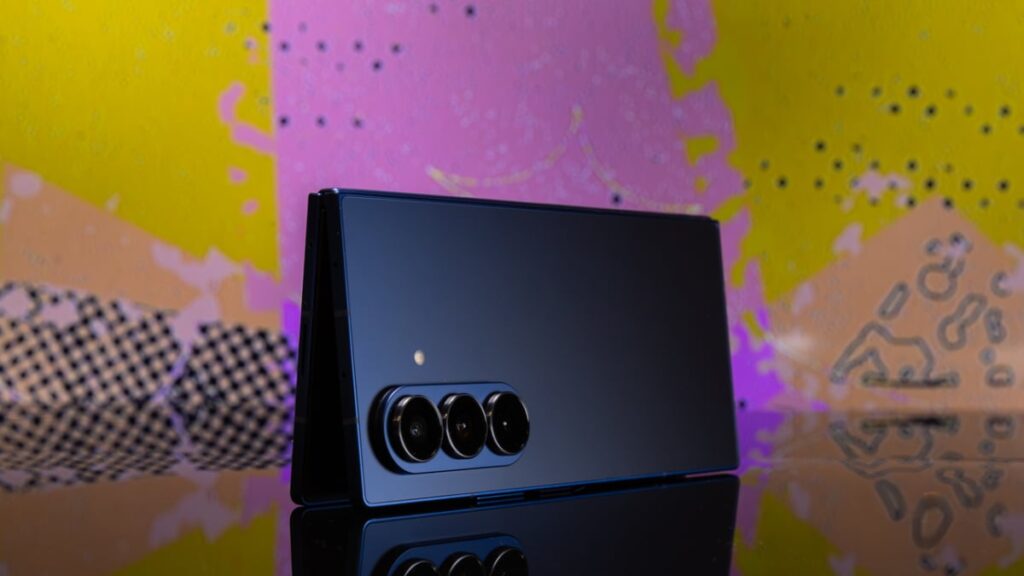
Apple is gearing up for a significant entry into the foldable smartphone market with the anticipated debut of its first foldable iPhone, informally referred to as the iPhone Fold, expected to launch in September. While Apple may be late to the game, having taken its time to introduce a foldable, history suggests that the company often excels despite initial delays. The success of devices like the iPod and iPhone serve as reminders of Apple's ability to innovate when entering a new category.
Recent leaks, particularly from reliable sources on social media platform X, have provided a sneak peek of the iPhone Fold in the form of dummy cases, allowing us to discern how it might differentiate itself from competitors, especially the upcoming Samsung Galaxy Z Fold 8. Understanding the design and features of both devices can help consumers decide which foldable phone might suit their needs best.
Comparing Designs: iPhone Fold vs. Samsung Galaxy Z Fold 8
The design of foldable smartphones tends to follow a similar template, with most flagship models resembling the dimensions of standard smartphones when folded. However, leaks suggest that Apple is adopting a wider design for the iPhone Fold, which may set it apart from other foldables. Images shared by leakers show this distinct design feature, indicating a departure from the narrower forms typically seen in foldable phones.
In contrast, the Samsung Galaxy Z Fold 8 is expected to maintain similar dimensions to its predecessor, the Z Fold 7, while potentially introducing a new version called the Galaxy Z Fold Wide, which could align closer in size to the iPhone Fold. The latest leaks hint at a design with sharper corners, reminiscent of the Z Fold 7, while the iPhone Fold seems to favor more rounded edges.
Both devices are anticipated to be ultra-thin, with an unfolded width expected to be under 5 mm. This impressive design aspect highlights how both Apple and Samsung are aiming to offer sleek and portable options for users.
Button placement is another noteworthy design difference; the iPhone Fold is rumored to have its volume buttons located on the top edge, while the power and Touch ID button will likely be positioned along the right edge. Meanwhile, the Galaxy Z Fold 8 is expected to retain the established button layout seen in previous models.
Camera specifications further differentiate the two devices. The iPhone Fold is rumored to sport only two rear cameras, while the Galaxy Z Fold 8 is expected to feature three. Notably, the leaks regarding the Z Fold Wide indicate it may also have two cameras, aligning with the iPhone Fold's configuration.
One potential advantage of the iPhone Fold is its pocket-friendly design, which could make it easier to carry compared to the bulkier Z Fold 8. Apple's device appears to be positioned as a hybrid between flip-style and tablet-style foldables, resembling the Google Pixel 10 Pro Fold, which has not received particularly positive reviews from critics.
While these insights are derived from leaks and conjectures, industry expert Mark Gurman from Bloomberg has suggested that the iPhone Fold is on track for a 2026 launch. In contrast, Samsung's new foldable devices are rumored to debut as early as July 22, 2023. This timeline disparity raises questions about Apple's market strategy and how it plans to position the iPhone Fold against established players in the foldable segment.
As consumers await definitive details, it’s crucial to consider what these innovations mean for the smartphone landscape. The advent of foldable devices signals a shift in user expectations, as consumers increasingly seek multifunctional capabilities without compromising on portability and design aesthetics.
For now, eager tech enthusiasts and potential buyers will need to keep their eyes peeled for further announcements from both Apple and Samsung, as the competition in the foldable smartphone arena continues to heat up.
Spring Buyers Hold Unprecedented Power — But Will They Risk Losing Their Dream Home?

You Won't Believe What Just Opened in Calgary: The Shocking Truth About Glacier Ridge Village!

Protesters Storm Wisconsin Governor’s Office—What They Want for 1,000 Beagles Will Shock You!

You Won't Believe What MHCommercial Just Paid for a Hidden Gem in Florida’s Space Coast! $16M Shocker!

Remote Work Could Slash Carbon Emissions by 70%—Are You Missing Out on This Green Revolution?

From Athlete to Doctor: How ONE Incredible Decision Changed This Student's Life Forever!
You might also like: