
Is Your "Healthy" Snack Sabotaging Your Diet? Shocking Truth Revealed!

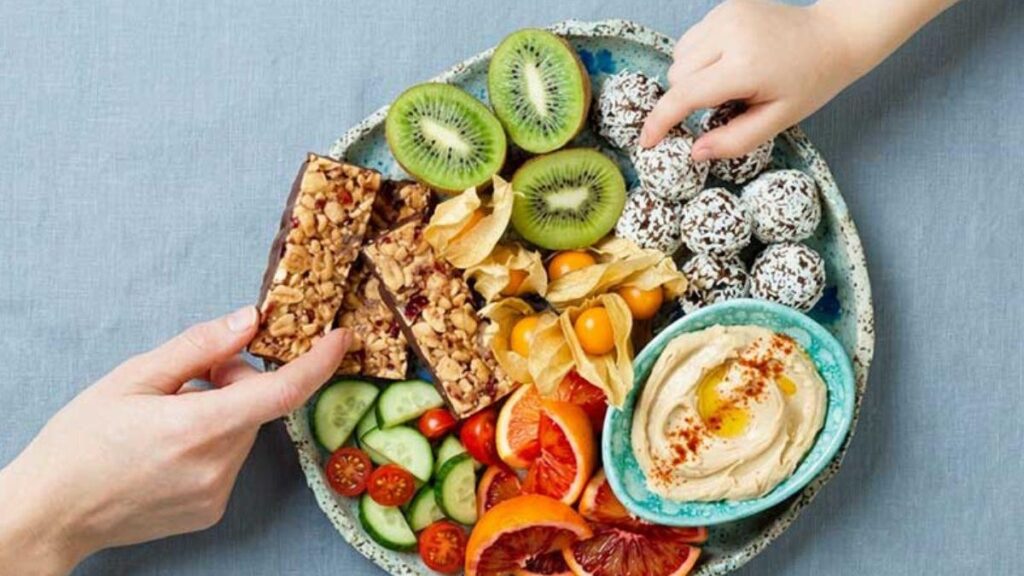
As American consumers increasingly opt for foods labeled as “healthy,” such as low-fat, natural, or diet-friendly options, a concerning trend has emerged: many of these products may be hiding significant amounts of sugar. This hidden sugar can have a detrimental impact on both weight management and overall health, raising questions about the true nutritional value of these choices.
Fauziya Ansari, a dietitian at Apollo Spectra Hospital in Mumbai, emphasizes that many supposedly “healthy” foods often contain added sugars to enhance flavor and extend shelf life. While these foods may seem nutritious at first glance, their sugar content can quietly sabotage fitness goals. “In today’s health-conscious environment, people are making better food swaps. But not all ‘healthy’ options are as clean as they seem,” she warns.
Regular consumption of hidden sugars can lead to unintended consequences such as weight gain, energy fluctuations, and an increased risk of long-term health issues. Several commonly consumed foods fall into this hidden sugar trap. For example, flavored yogurts, often marketed as gut-friendly, can contain excessive added sugars. Similarly, packaged fruit juices, which are frequently perceived as natural, may actually contain concentrated sugars or sweeteners that undermine their health benefits.
Granola and energy bars, popular snack choices for those seeking quick nutrition, often include sweeteners like honey, syrups, or chocolate, significantly raising their sugar content. Breakfast cereals marketed as “high fiber” or “whole grain” can also contain surprising amounts of sugar, compromising their perceived health benefits. Even common condiments such as salad dressings and sauces can contain hidden sugars used to balance flavors.
Packaged smoothies, often chosen as healthier beverage options, can also be full of syrups and sweeteners, leading to excessive calorie consumption. This proliferation of hidden sugars calls for a more vigilant approach to food labeling. Consumers should be advised to read labels carefully, looking for terms like glucose, fructose, corn syrup, maltose, and “added sugars,” which indicate stealthy sugar content.
Ansari suggests that prioritizing whole, unprocessed foods over packaged alternatives is the best strategy for maintaining a healthy diet. Homemade options, such as fresh smoothies or plain yogurt with natural fruits, can provide nutrition without the hidden sugars that many packaged products contain.
As the trend toward healthier eating continues, awareness about hidden sugars becomes increasingly important. What might seem like a smart dietary choice could, in reality, be working against long-term health objectives. Making informed decisions today can pave the way for a genuinely healthy lifestyle.
In a marketplace saturated with food options claiming to be healthy, understanding the reality behind labels can empower consumers to make choices that genuinely support their health and fitness goals. To maintain a balanced diet, it is crucial to recognize that not all foods marketed as healthy are what they appear to be.
Is Kingsford's Soccer Team Facing Its Biggest Crisis Ever? Shocking Revelations Inside!

Is Sandisk's Latest Surge a Sign of Imminent Collapse? Investors Need to Know NOW!

Why Monolithic Power, Analog Devices, and Penguin Solutions Are Skyrocketing—Investors Are Rushing In!

This AI Startup Just Secured $2 Billion—Find Out What Nvidia's Backing Means for Your Future!

Shocking Berkshire County Real Estate Sales: One Home Sold for $500K Over Asking—Find Out Why!

Is Your Child Safe? Shocking Truths Revealed During Fox Valley's Families Month!
You might also like: