
Is Your Favorite Snack Putting You at Risk for Knee Osteoarthritis? Shocking Study Reveals the Link!

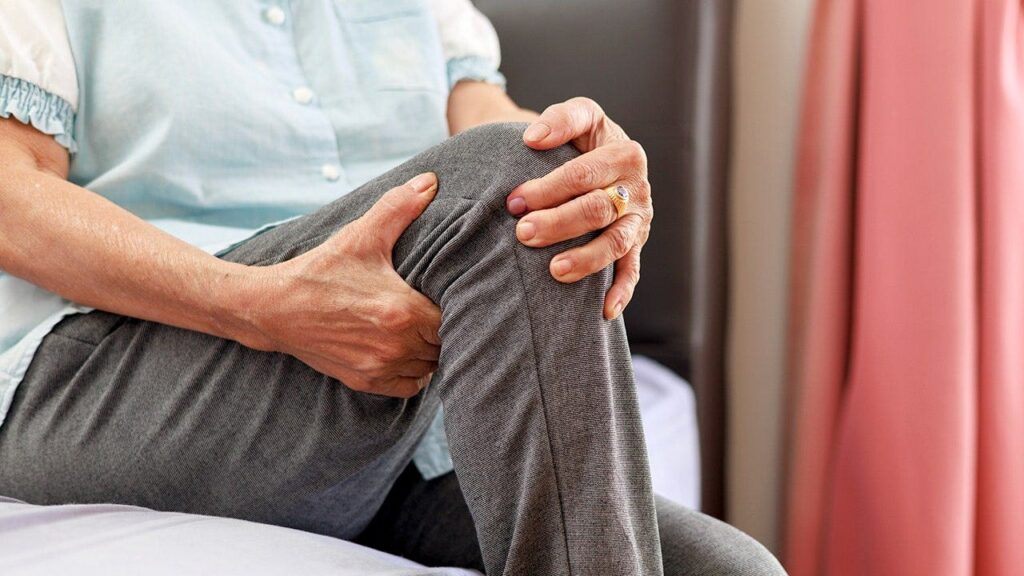
In a striking revelation for health-conscious eaters, a new study suggests that your favorite breakfast item, bacon, may be linked to an increased risk of arthritis, particularly in the knees. The research conducted by Dr. Zehra Akkaya, a lead researcher at the University of California, San Francisco (UCSF), highlights the negative health implications associated with ultraprocessed foods. These foods, designed for longevity, robust flavor, and convenience, include items like breakfast cereals, bacon, hot dogs, and pre-packaged snacks.
"Over the past decades, in parallel to the rising prevalences of obesity and knee osteoarthritis, the use of natural ingredients in our diets has steadily diminished," Dr. Akkaya stated in a press release. This statement underscores a troubling trend where convenience often takes precedence over nutritional value.
Knee osteoarthritis, commonly viewed as a degenerative "wear-and-tear" condition, has been closely associated with higher amounts of intramuscular fat in the thigh. The accumulation of fat in muscle weakens the structural support for the knee, leading to increased joint stress and inflammation. As Dr. Akkaya pointed out, knee osteoarthritis constitutes one of the largest non-cancer-related healthcare costs in the United States and globally, heavily linked to obesity and unhealthy lifestyle choices.
The research team utilized data from the Osteoarthritis Initiative, a long-term public research project focused on the condition. They analyzed 615 individuals who had not yet developed osteoarthritis, employing non-enhanced MRI scans to look for degeneration characterized by streaks of fat replacing healthy muscle fibers in the thigh. The findings, published in the journal Radiology, revealed a concerning trend: the more ultraprocessed foods individuals consumed, the greater the amount of fat stored in their thigh muscles.
This trend held true regardless of participants' total caloric intake, weight, or physical activity levels. Even those who were deemed "thin" or active appeared vulnerable; if their diet primarily consisted of ultraprocessed foods, their muscle quality and knee health remained at risk. On average, study participants derived approximately 41% of their daily food intake from ultraprocessed sources.
The implications of this research are significant. Reducing the consumption of ultraprocessed foods may play a crucial role in preserving muscle quality, thereby alleviating the burden of knee osteoarthritis. Experts recommend that one of the most effective ways to combat obesity is through a balanced diet combined with regular exercise.
However, the study does come with certain limitations. While it establishes a link between ultraprocessed foods and muscle fat accumulation, it does not definitively prove causation. Additionally, this research relied on participants’ self-reported dietary habits, which can sometimes be inaccurate compared to clinical monitoring. Moreover, the study focused on individuals already at high risk for knee issues, which means the findings may not be as applicable to younger or healthier populations.
The findings of this study serve as a critical reminder of the long-term health risks associated with a diet high in ultraprocessed foods. For those wishing to maintain healthy joints and overall well-being, adopting a more natural, balanced diet could prove beneficial—potentially steering them away from conditions such as knee osteoarthritis and reducing healthcare costs associated with it.
USC’s Savage Hype Video Leaves Oregon Shaking – Fans Are Furious! What’s Inside?
Gaston’s Shocking Move: Why Signing with Monmouth College Could Change His Life Forever!

Ethereum Skyrockets 6% in ONE Day—Is This the Start of a Game-Changing Crypto Revolution?

Shocking Vaccine Gaps: 1 in 5 ER Patients Risk Measles Outbreak—Are You Safe?

You Won't Believe What Harry Hollines Did to Finally Get Inducted into the Colorado Sports Hall of Fame!

Parents Are Turning to Landlines—Here's Why They're Banning Smartphones for Their Kids!
You might also like: