
Shocking Vaccine Gaps: 1 in 5 ER Patients Risk Measles Outbreak—Are You Safe?

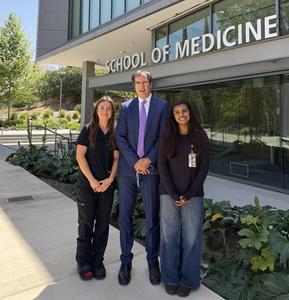
In a pressing public health concern, measles continues to pose a significant risk across the United States. This highly contagious disease, primarily transmitted through coughing and sneezing, has seen a troubling resurgence, particularly as California reports its highest annual case count in seven years as of 2026. A recent study from the University of California, Riverside (UCR) sheds light on the troubling gaps in knowledge and vaccination rates related to the measles, mumps, and rubella (MMR) vaccine among patients visiting emergency departments nationwide.
Published in the American Journal of Emergency Medicine, this study highlights how misinformation and barriers to access can contribute to declining vaccination rates, exacerbating the risk of outbreaks. “We found that a substantial portion of emergency department patients lack accurate knowledge about measles and the MMR vaccine,” said medical student Alexandra Eftimie, a co-lead author of the paper. She further noted that many participants were either uncertain about their vaccination status or reported not having received the vaccine at all. Vaccine hesitancy, fueled by misconceptions regarding safety and necessity, remains a significant challenge.
The research team gathered survey data from April to December 2024, encompassing 2,459 adult patients across ten emergency departments in the U.S. The study evaluated not only MMR vaccination status but also the patients’ knowledge and willingness to receive the vaccine. Co-lead author Sahithi Malireddy emphasized that systemic disparities play a crucial role: “We identified key disparities in under-vaccination associated with factors such as race, language, insurance status, and access to primary care.” These findings highlight how systemic barriers impact both access to vaccines and health literacy among diverse populations.
The researchers insist that emergency departments can act as essential “safety net” points of care, particularly for underserved populations who may encounter challenges accessing vaccines through conventional healthcare systems. “This really offers healthcare systems an opportunity to leverage emergency departments not only for emergent care but also as spaces to deliver accessible, evidence-based public health interventions and improve vaccine equity,” Malireddy stated. By harnessing the capabilities of emergency departments, healthcare systems could reach individuals who might otherwise miss out on preventive care.
The study's findings also revealed a surprising lack of access to reliable healthcare information among patients. “Many gaps stem from systemic barriers like limited literacy tools, language differences, insurance issues, and stigma,” noted Malireddy. This shift in focus from individual misunderstanding to structural inequities underscores the healthcare industry’s responsibility to make vital health knowledge accessible and actionable, especially for marginalized communities.
Senior author Dr. Robert Rodriguez, a professor of medicine at UCR, discussed practical interventions that emergency departments can implement to enhance MMR vaccination rates. While many emergency departments may not have the capacity to administer MMR vaccines directly, they can still play a pivotal role in patient education and referral. “They can inform patients about the importance of the MMR vaccine and direct them to accessible options, such as clinics and pharmacies, where they can receive it,” he explained.
This extensive study, involving contributions from researchers at UC San Francisco, UCLA, Rush University Medical Center, Wayne State University, Thomas Jefferson University Hospital, and Duke University School of Medicine, underscores a critical moment for public health advocacy. Titled “Gaps in knowledge, receipt, and acceptance of measles, mumps, rubella vaccines in a national sample of emergency department patients,” the research serves as a clarion call for improved educational efforts and interventions to combat the rising tide of vaccine hesitancy.
The implications of this study extend beyond mere statistics; they reflect the pressing need for systemic change in how health information is disseminated and accessed. As we navigate ongoing public health challenges, recognizing and addressing these disparities can help create a healthier future for all.
You Won't Believe What Harry Hollines Did to Finally Get Inducted into the Colorado Sports Hall of Fame!

Parents Are Turning to Landlines—Here's Why They're Banning Smartphones for Their Kids!

Don't Miss This Epic Showdown: Can the Hornets Outsmart the Magic in a Do-or-Die NBA Clash Tonight?
Why Experts Predict This Shocking Tech Trend Will Change Your Life by 2025 – Don't Miss Out!
Mississippi Summit Exposes Alarming Truths in Digital Forensics—Are You Prepared for the Future?

Ethereum's Shocking Secret: Why Analysts Predict a 300% Surge This Year—Are You Ready to Miss Out?
You might also like: