
Why Are Top Brands Acting Like Desperate Reply Guys? The Shocking Truth Revealed!

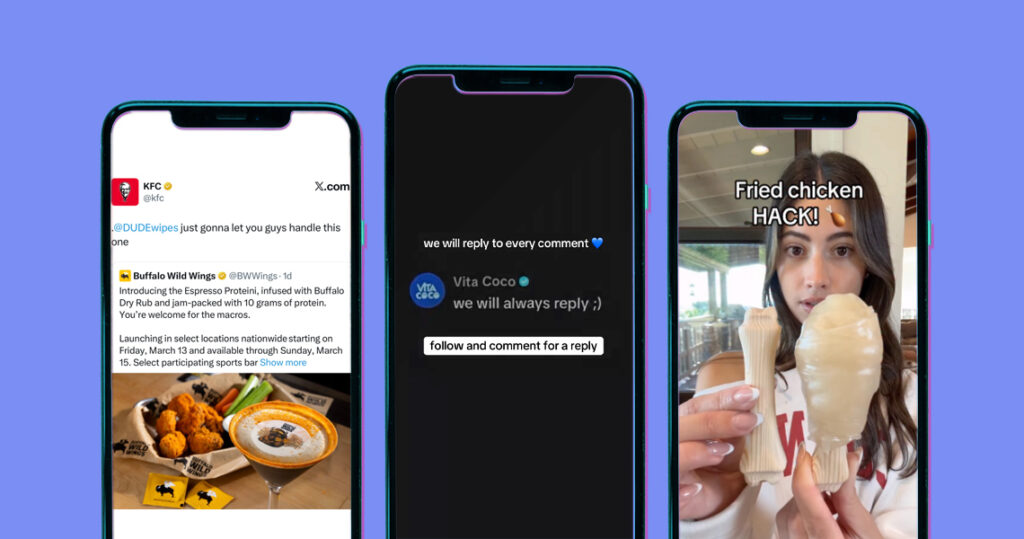
In a rapidly evolving social media landscape, brands are increasingly opting for a comment-driven engagement strategy to connect with their audiences. Gone are the days when polished posts reigned supreme; today, authenticity and real-time interaction are key. A notable example of this trend occurred last year when soda brand Olipop stirred conversation by commenting on a post about competitor Poppi's Super Bowl campaign, suggesting that PR boxes should go to "real customers." This comment alone generated hundreds of likes, demonstrating the potential impact of engaging directly in the social media discourse.
As brands explore various tactics to boost engagement, many have turned to the comments section as a critical touchpoint. In the 2010s, brands like Wendy’s became famous for their snarky replies and interactions with fans. However, the current approach has shifted from mere “clapping back” to fostering genuine conversations and partnerships. Audiences today are looking for authenticity, leading brands to rethink their strategies.
One brand that has embraced this shift is Dude Wipes. According to Chief Marketing Officer Ryan Meegan, commenting on other users' posts has become a core part of their social media strategy, especially on platforms like TikTok, Instagram, and X (formerly Twitter). “On platforms like X, Instagram, and TikTok, people scroll straight to replies looking for something entertaining,” Meegan explained, highlighting how audiences are evolving in their content consumption.
The shift in audience behavior coincides with changes in social media algorithms, which now reward interactive content over static posts. Meegan noted, “Back-and-forth conversations, especially ones that feel unscripted, tend to travel further.” This strategy allows brands to insert themselves into relevant conversations, which is crucial in today’s fast-paced digital environment.
Another brand making waves with its commenting strategy is Vita Coco, which has stepped up its engagement on TikTok. The brand successfully interacted with a viral TikTok video featuring creator Romeo pitching a jingle for Dr. Pepper. Vita Coco's comment led to a paid partnership, resulting in a new jingle that generated over 250 million impressions. Their engagement strategy is not just about likes; it's also about forging real-time connections with creators.
“A well-placed comment on TikTok or Instagram takes up some of the most valuable real estate brands can leverage,” said Jane Prior, Chief Marketing Officer at Vita Coco.
Following the partnership with Romeo, Vita Coco witnessed a significant increase in audience engagement. During the week the jingle launched, Google searches for Vita Coco hit a four-year high, spiking 22% higher than the previous three months. The brand also gained over 210,000 new TikTok followers, a testament to the effective use of comment-driven engagement.
While the metrics of likes and follower counts are important, Dude Wipes measures success through user reactions. Meegan aims for comments that evoke responses like “this social media manager deserves a raise.” This feedback loop illustrates the importance of capturing authentic audience engagement, which ultimately drives brand affinity.
Marketing experts note that this trend is reminiscent of the early days of Twitter when brands like Wendy’s and Denny’s used humor and direct interaction to build rapport with audiences. Nate Rosen, who runs the marketing newsletter Express Checkout, points out that this playful engagement helped humanize brands, making them more approachable in the eyes of consumers. Today, that energy has migrated to TikTok, reaching an even larger and more engaged audience.
With many smaller brands operating with limited social media teams, Rosen emphasizes the cost-effectiveness of commenting versus traditional advertising. “Having your brand comment on a platform like TikTok is free,” he noted. It’s a low-risk strategy that allows brands to engage without the significant financial investment associated with paid ads.
However, brands must tread carefully when engaging in the comments section. Overstepping can lead to backlash, as users have started calling for brands to “silence” themselves in certain conversations, even inspiring a newsletter dedicated to this sentiment. Meegan acknowledges the need for balance, stating, “If something starts to feel overdone or predictable, we pivot. The goal is always to feel like a brand you’d actually want to hear from, not one that’s trying too hard to be in on the joke.”
This evolving landscape underscores a broader trend in marketing: the necessity of authenticity and dialogue in building brand loyalty. As brands continue to navigate this new terrain, those that effectively engage in the discourse will likely find themselves more connected to their audiences, ultimately leading to increased loyalty and sales.
$1 Billion Floods Into Bitcoin & Ether ETFs This Week—Are You Missing the Crypto Revolution?

Grandma Delivers Food to Trump: You Won't Believe the Shocking $100 Tip That Rocked Arkansas!
Access Denied? Here's What You NEED to Know Before It's Too Late!

Why Are Top Smartphone Brands Racing to Team Up with Leica and Zeiss? Shocking Reasons Inside!
Zeta Global, Teradata, and CLEAR Shares Just Skyrocketed—Could You Be Missing Out on a Fortune?

Learfield's Shocking $1 Billion Sale to TPG: What This Means for College Sports!
You might also like: