Why Are Top Smartphone Brands Racing to Team Up with Leica and Zeiss? Shocking Reasons Inside!

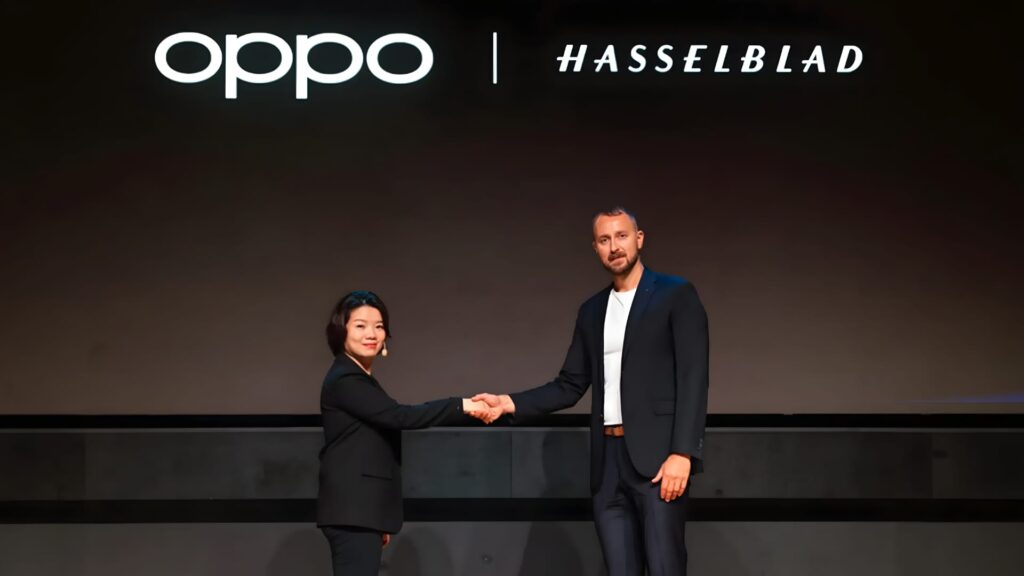
High-end Chinese smartphones are increasingly adopting the prestige of renowned European camera brands, as seen with logos like Leica on Xiaomi’s Ultra phones, Zeiss on vivo’s X-series, and Hasselblad on OPPO’s flagship devices. This trend traditionally allowed Chinese manufacturers to leverage the legacy of these brands to enhance their products. However, a significant shift is occurring, particularly with OnePlus, which has recently introduced its in-house DetailMax Engine. This move signifies a graduation from reliance on external prestige to proprietary technology, reflecting a fundamental change in how Chinese brands conceive of their collaborations with European optics makers.
The marketing narrative often portrays these partnerships as transformative alliances, where decades of optical expertise reshape mobile photography. In reality, these collaborations are much narrower. Chinese smartphone manufacturers like Xiaomi, vivo, and OPPO pay Leica, Zeiss, and Hasselblad for three key assets: color science, optical validation, and brand credibility. For the European camera brands, these deals provide a way to monetize their heritage amidst a declining standalone camera market.
📰 Table of Contents
The Deal is Narrower Than It Looks
Let’s break down what smartphone brands receive for their investments. First is color science. When using a Leica-branded Xiaomi or a Zeiss-branded vivo, users gain more than just a logo; these companies collaborate to dictate how the camera renders color, skin tones, contrast, and white balance. Consequently, Xiaomi offers modes like “Leica Authentic” and “Leica Vibrant,” which are not merely filters but specific color pipelines approved by experts in Wetzlar.
Next is optics and coatings. While legacy brands do not manufacture smartphone lenses, they audit optical designs and license their coatings. For instance, Zeiss’s T* coating mitigates flare and reflections, while Leica sets standards for distortion and vignetting. Fast-paced production cycles have transformed these brands into high-end auditors rather than manufacturers.
The third, and perhaps most apparent, asset is the brand itself. A Leica logo instantly conveys seriousness in photography to potential buyers, while Hasselblad evokes a rich history in studio and even space photography. This borrowed prestige is critical for brands trying to justify premium pricing, especially as they approach the $1,200 mark.
The Logo Doesn’t Mean What You Think It Means
Despite the substantial nature of these partnerships, they operate within strict boundaries. Leica, Zeiss, and Hasselblad do not produce the camera modules themselves. That role belongs to suppliers like Sunny Optical and Largan Precision, who follow designs specified by smartphone manufacturers. Additionally, the choice of sensors—such as those from Sony, Samsung, or OmniVision—is made by these manufacturers, not by their European partners.
The most critical aspect, computational photography, remains firmly in the hands of smartphone manufacturers. Advanced features like multi-frame HDR, night mode stacking, and AI scene detection are developed in-house. OnePlus’s announcement of its DetailMax Engine underscores what enthusiasts have suspected: the innovative algorithms were always internally developed and not the handiwork of Hasselblad.
When you take a photo on a Xiaomi Ultra, three elements converge: a high-performance sensor from a supplier like Sony, proprietary computational photography algorithms developed by Xiaomi, and color science and optical validation from Leica. The logo signifies only the third aspect, not the entirety of the system.
The willingness of long-established camera brands to participate in the smartphone market stems from the drastic decline in digital camera sales over the past fifteen years. As smartphone cameras improve, the market for compact cameras has all but vanished. Although high-end products still find smaller audiences, camera brands like Leica, Hasselblad, and Zeiss recognize that licensing agreements with smartphone makers provide a viable alternative to investing in new camera lines for a shrinking market.
These partnerships allow for exposure to a new generation, particularly in markets like China and Indonesia, where a young professional might never buy a standalone Leica but is likely to encounter the brand on a smartphone. This integration helps keep heritage brands relevant in a mobile-first world.
Importantly, these partnerships do not cannibalize stand-alone camera sales since the technology cannot replicate the performance of dedicated systems. The fundamental differences in sensor size and lens capacity maintain the distinction between mobile devices and professional cameras.
Chinese smartphone manufacturers dominate this space, stemming from earlier partnerships like the one between Huawei and Leica, which set a precedent for integrating high-quality optics into smartphones. As competition intensifies, these partnerships serve as key differentiators in a crowded market where many brands utilize similar hardware components.
The collaborations yield tangible benefits in terms of color accuracy and lens flare control. However, the significant advancements in mobile photography have predominantly emerged from computational improvements rather than optical enhancements. Features such as Google’s HDR+ and Apple’s Deep Fusion illustrate how software and machine learning drive photographic success.
In conclusion, the exchange between smartphone manufacturers and heritage camera brands is fundamentally strategic. Chinese manufacturers are leasing a century of photographic prestige to enhance their standing in a high-margin market while European brands pivot to licensing models to mitigate the decline of hardware sales. Yet, the core innovations that define modern imaging remain proprietary to the smartphone makers. As OnePlus shifts focus to its DetailMax Engine, it signals a potential transition toward a future where in-house computational dominance replaces the reliance on external validation from storied brands.
Zeta Global, Teradata, and CLEAR Shares Just Skyrocketed—Could You Be Missing Out on a Fortune?

Learfield's Shocking $1 Billion Sale to TPG: What This Means for College Sports!
You Won't Believe What Happens Next: Access Denied to 1 Million Users—Are You One of Them?

Governor's $110M Ultimatum: Is Houston's Immigration Policy About to Crumble?

Is Caesars Entertainment’s Stock About to Skyrocket or Crash? Shocking Earnings Reveal Hidden Risks!

You Won’t Believe How a Tiny 2-Cent Tax Cut Could Change Your Family Budget Forever!
You might also like: