
White House’s Shocking Move: Are Thousands of Troops About to Leave Europe? What You Need to Know!

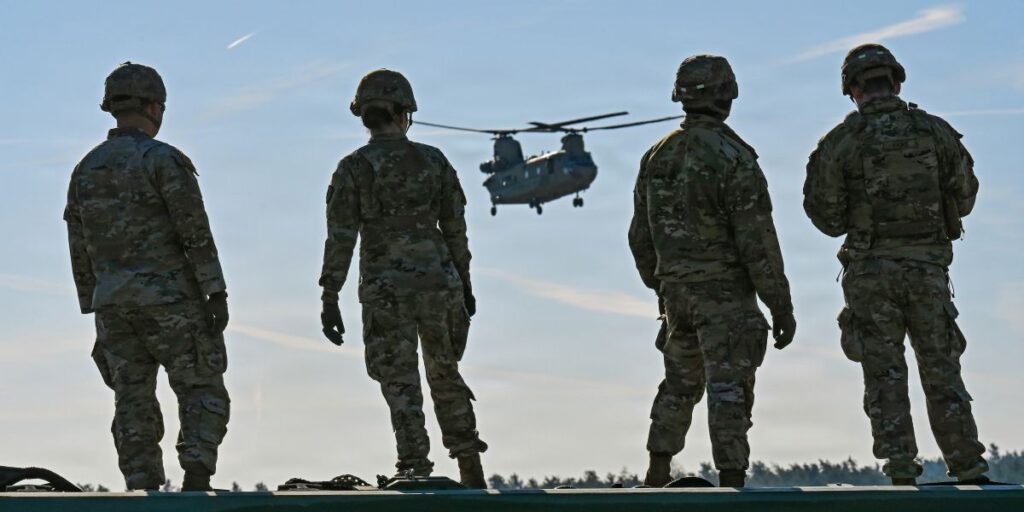
Amid escalating tensions between the Trump administration and NATO allies, the White House is reportedly contemplating a significant shift in U.S. military strategy in Europe, including the potential withdrawal of American troops stationed there. According to Military Times, no official decision has been reached yet, but discussions are ongoing regarding the future of U.S. forces in the region.
This potential move comes on the heels of President Trump’s recent remarks, which included the idea of pulling the U.S. out of NATO altogether. Such comments have sparked bipartisan concern among lawmakers, signaling the political sensitivity surrounding the alliance. The tension seems to have roots in various contentious issues, including NATO allies' rejection of the Trump administration's proposal to acquire ownership of Greenland and ongoing frustrations about support for U.S. operations in the Strait of Hormuz.
Currently, there are more than 80,000 American troops stationed in NATO member countries. The specific number of troops that could be relocated remains unspecified, leaving many questions unanswered about the implications of such a decision. U.S. military presence in Europe has been a cornerstone of NATO's collective defense strategy since the Cold War, providing both deterrence and support in times of crisis.
The prospect of withdrawing U.S. troops from Europe could reshape the geopolitical landscape, altering the balance of power and alliances in the region. NATO, founded in 1949, was initially formed as a bulwark against the Soviet Union, and the presence of American military personnel has been integral in maintaining stability in Europe. Any significant change to this arrangement could embolden adversaries and strain relations with long-standing allies.
Critics of the proposed withdrawal argue that it might undermine NATO's credibility and security framework. Such a move could also send a troubling message to countries in Eastern Europe, particularly those that feel threatened by Russian aggression. The Ukraine crisis and ongoing tensions in the Baltic states highlight the continued need for a robust NATO presence to deter potential threats.
The pushback from Congress reflects a broader concern that a withdrawal could weaken the United States' position within NATO. Some lawmakers argue that U.S. military presence is essential not just for the security of European allies but also for American interests abroad. The interconnectedness of global security means that decisions made in Washington can have far-reaching consequences in Europe and beyond.
As discussions continue, the potential for a shift in U.S. military presence in Europe raises pressing questions about the future of the NATO alliance and the role of American forces on the global stage. The world watches closely, aware that any changes could have profound implications for international relations and military strategy in the years to come.
In the coming weeks, more clarity is likely to emerge regarding the administration's stance on NATO and troop deployment. For now, the situation remains fluid, and American readers will be keen to see how these discussions unfold, given their importance to national and global security.
Is Your Health at Risk? Shocking Stats Reveal How Incarceration Impacts Millions!
GOP Candidates Risk It All: Can They Win Without Trump’s Seal of Approval? Shocking Strategies Revealed!

Abu Dhabi’s Synthan Sciences Just Launched a Game-Changer—Will It Save Your Life?
Is Your Startup Missing Out? The Shocking Truth About Real-Time Market Signals in Europe!

Is Your Fitness Tracker About to Become Obsolete? Shocking Market Changes Ahead for 2026-2033!

Korean Community in Israel on Edge: Is President’s Shocking Post About to Ignite a Diplomatic Crisis?
You might also like: