
Pediatric Mental Health Breakthrough: 5 Shocking Reasons This New Model Is Turning Heads Nationwide!

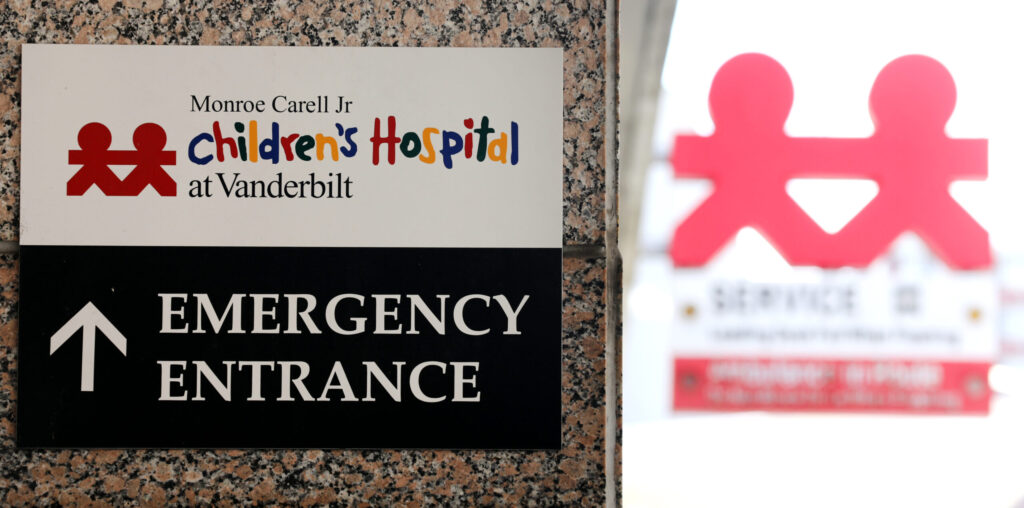
Over the past decade, the Monroe Carell Jr. Children’s Hospital at Vanderbilt has witnessed a troubling trend: the number of emergency department visits related to behavioral and mental health issues has significantly increased. This rise has led to what is known as behavioral health boarding, where patients must wait in general inpatient units or the emergency department for appropriate psychiatric care. This situation highlights a growing concern in pediatric health care regarding mental health resources and support.
In response to these challenges, Monroe Carell established a Behavioral Health Taskforce in 2022. The task force is composed of clinical leaders, quality improvement specialists, a project manager, and executive sponsors—all committed to enhancing care for youth facing mental health crises. The task force meets regularly to monitor progress and develop new initiatives aimed at improving patient outcomes.
Communication is key in these situations, and to facilitate better collaboration among various services and disciplines, the hospital implemented twice-daily behavioral acuity huddles. These huddles bring together frontline staff from nursing, social work, child life, psychiatry, psychology, and hospital medicine, allowing for real-time problem-solving and improved awareness of patient needs. This proactive approach aims to streamline care, anticipating potential challenges rather than merely addressing them after the fact.
“We have been very deliberate in our actions,” said Heather Kreth, PsyD, associate professor and director of Acute Behavioral Health Services at Monroe Carell. “We were able to develop and refine workflows, communication practices and strategically place expert staff across our pediatric enterprise to make sure we are doing as much as possible to provide individualized care for patients and improve safety.”
The changes initiated by the task force have yielded impressive results. Behavioral health boarding admissions decreased by 78%, while the length of stay for patients was shortened by over 50%. Additionally, the utilization of restraints was reduced by 67%, reflecting a significant improvement in how behavioral health crises are managed.
Ashley Ried, MMHC, BSN, RN, and Magnet program director at Monroe Carell, emphasized the importance of collaboration: “Creating a robust structure to align multiple departments and disciplines across emergency, inpatient, perioperative, and ambulatory services has been essential in collaboratively improving the care we provide to our patients with mental and behavioral health needs.”
In 2023, Monroe Carell introduced two new initiatives aimed at further reducing behavioral de-escalation incidents: the Behavioral Emergency Support Team (BEST) and the integration of a board-certified behavior analyst (BCBA) into the huddles and patient care settings. The BEST Team is designed to respond to acute behavioral events, providing immediate de-escalation support within both inpatient and emergency room environments.
The BCBA’s presence has been transformative; it offers real-time consultation across various units, helping teams adapt care and implement individualized strategies for managing behavior. This integration not only enhances staff safety but also improves patient care for children with neurodiverse needs.
“If you’re talking about behavioral interventions that can be targeted for severe problem behaviors, that really does benefit from someone with true expertise in behavior and intervention,” Kreth stated. “Our BCBA is making a significant impact on the care of kids.”
These innovative changes have not gone unnoticed. The Children’s Hospital Association (CHA) recently recognized Monroe Carell for its advancements in behavioral health care, inviting the hospital to present at the CHA Annual Leadership Conference. An article detailing their new care model was also published, spotlighting their effective strategies in addressing mental health needs.
Standardizing behavioral health care by aligning teams around shared tools and practices, maintaining real-time communication, and incorporating specialized expertise has significantly improved patient care, staff confidence, and overall system efficiency. Kreth noted the importance of cohesive teamwork: “If you’re trying to do things in isolation with kids across different teams and nobody is talking to each other, things are going to fall through the cracks. This group makes sure everyone has a voice in behavioral health care and we keep this work moving forward.”
The ongoing initiatives at Monroe Carell illustrate a proactive approach to addressing the mental health crisis among children—one that prioritizes collaboration, communication, and specialized care. As hospitals across the nation grapple with similar increases in mental health-related visits, the strategies being implemented at Monroe Carell may serve as a valuable blueprint for enhancing care in pediatric settings.
This Startup Promises to Slash Construction Payment Delays—Is Your Firm Missing Out?

Realty Income's Shocking Move at Citi's 2026 Conference: What They Revealed Will Change Everything!

Lionel Messi's SHOCKING Performance: You Won't Believe the Record He Just Broke!

Shocking Revelation: How Many Federal Agents Are Still in Minnesota? Walz Challenges Noem!

You Won't Believe What's Coming: Bishop Kearney's $5 Million Fitness Center & Hockey Rink Set to Transform the Community!

Is Our World Heading for an Unthinkable Collapse? Discover the Shocking Truth!
You might also like: