
Are Your Kids’ Skincare Choices Ruining Their Skin? Shocking Social Media Trends Revealed!

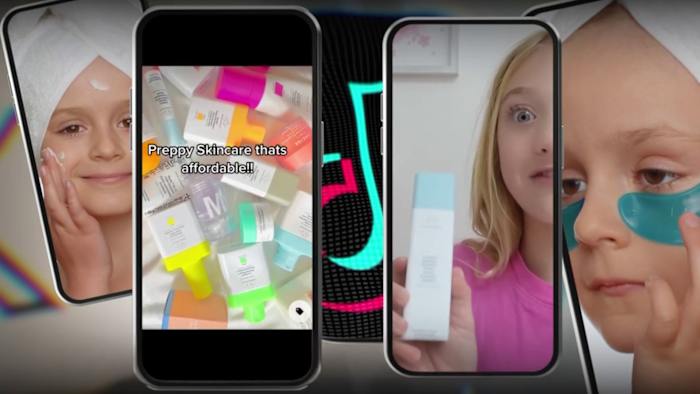
DETROIT – The skincare industry is a booming market, now valued at an astonishing $200 billion, and brands are increasingly directing their marketing efforts toward younger audiences via platforms like TikTok and Instagram. As a result, many teens and preteens are trying out products that promise miraculous results, often influenced by social media figures with what appears to be flawless skin.
Shyla Green, an eighth-grade scholar athlete from St. Clair Shores, is one such young consumer who has felt the pull of social media marketing. She shared how she began requesting skincare products after seeing them promoted on TikTok and Instagram. “They made the models look really good,” Shyla recalled. However, her initial excitement quickly turned into a distressing experience. After starting her new skincare routine, she began to suffer from breakouts and dry, flaky skin.
Despite these negative effects, Shyla persisted. “I thought maybe it’s my skin adjusting to it or something,” she said, but her condition only worsened. “It got pretty bad. It was like scary. I was like, ‘Oh, my gosh, how am I going to fix this? Is this going to be permanent?’”
Concerned for her daughter's well-being, Shyla’s mother took her to see Dr. Shauna Diggs, a cosmetic dermatologist based in Grosse Pointe who owns CosmedicDerm. Dr. Diggs explained that many skincare products marketed towards young people often contain harsh ingredients, such as alpha hydroxy acids (AHA) and beta hydroxy acids (BHA), which can irritate sensitive skin, especially when multiple products are layered together. She emphasized that young skin typically doesn’t require complex routines or potent exfoliants, as these can lead to redness, itching, and further damage.
Understanding Safe Ingredients for Young Skin
Dr. Diggs highlighted some ingredients that are safe for young skin, such as hyaluronic acid and ceramides, both known for their moisturizing and gentle properties. While Vitamin C is a popular antioxidant, it can be irritating for younger skin and is generally not necessary for teens and preteens. Exfoliants and retinols, like Retin-A, are also not recommended unless treating specific acne conditions, as they can cause additional redness, itching, and dryness.
Moreover, Dr. Diggs advised caution when it comes to hydroxy acids such as glycolic, lactic, and mandelic acid, suggesting that these should be used sparingly. For older children dealing with localized acne, salicylic acid may be appropriate. She strongly discouraged practices like double cleansing or the use of clarifying lotions and toners, as these can strip the skin of its natural oils and lead to irritation.
In light of this, Dr. Diggs urges parents to be vigilant about the makeup products marketed to kids, which may also contain harmful exfoliants or hydroxy acids. She recommends that parents conduct thorough research on ingredients, rely on credible online reviews, and consult a dermatologist before introducing new products to their children's skincare routines.
The aggressive marketing strategies targeting children and adolescents in the skincare industry can lead to unsafe product usage. As the industry continues to grow, parents are encouraged to be informed and skeptical of the "miracle" claims often seen online. Shyla’s story serves as a stark reminder of the potential pitfalls of unchecked consumerism fueled by social media.
Dr. Diggs has even taken the initiative to develop her own skincare line designed to cater to all ages and skin types, a venture inspired by her experiences with her daughters. Bry Green, another concerned parent of two teens, emphasizes the importance of educating children about the reality behind social media filters and the necessity of verifying product safety.
As the skincare market continues to expand dramatically, understanding the implications of targeted marketing and the ingredients in these products is vital for the health and well-being of young consumers. Parents and guardians play a crucial role in guiding their children through this increasingly complex landscape.
You Won’t Believe Who Just Became a Fifty Over Fifty Icon—Meet the Man Changing Lives at 70!

Is This Hidden Indicator About to Crash the Stock Market? Experts Warn You Could Lose Everything!

Is Your Favorite Snack Hiding a Shocking Secret? The Alarming Truth About Ultra-Processed Foods!

Is Your Business Ready? The Shocking Truth About the 2026 Maui Marathon Expo You Can’t Afford to Miss!

You Won't Believe How Nearly 100 Homes Sold in January Could Change Your Real Estate Game!

US AI Startups Just Landed $2 Billion in Funding—Is Your Job Next on the Chopping Block?
You might also like: