
Is Your Favorite Snack Hiding a Shocking Secret? The Alarming Truth About Ultra-Processed Foods!

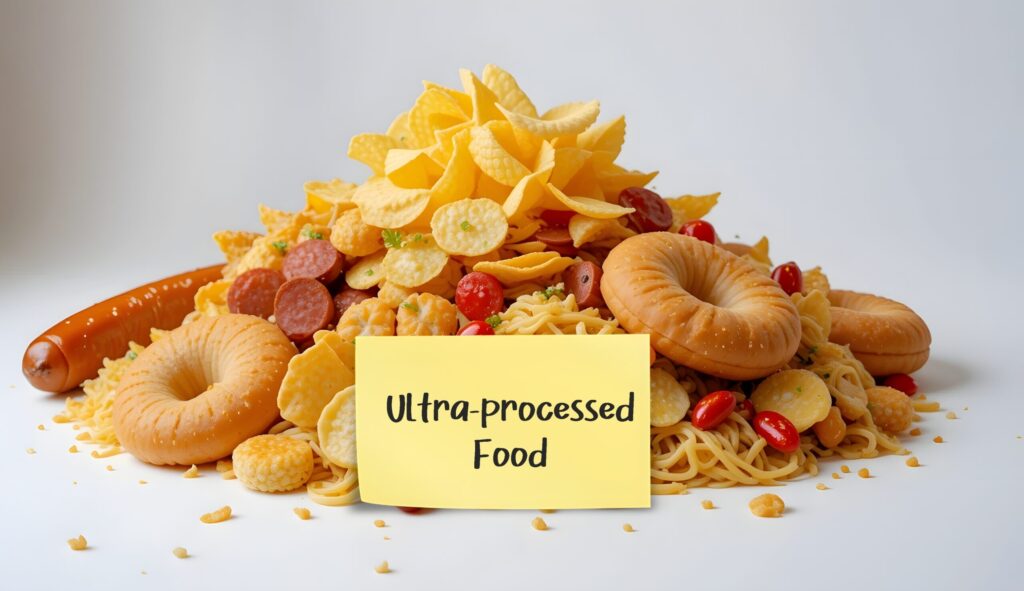
In today’s fast-paced world, convenience often trumps nutrition, leading many families to rely heavily on packaged snacks and readily available foods. This trend has persisted for decades, with many opting for **affordable**, **shelf-stable**, and widely distributed **ultra-processed foods**. However, as new research emerges, the implications of these dietary choices are beginning to reverberate through various sectors, including the casualty insurance industry.
Rising Concerns Over Ultra-Processed Foods
Experts from Moody's are now urging casualty insurers to reassess the risks associated with ultra-processed food consumption, likening it to the historical challenges faced with tobacco and opioids. The primary concern is whether the industry is prepared to adapt to the emerging patterns of risk associated with these foods, especially as scientific studies increasingly link them to chronic illnesses and early-onset cancers. A CDC study published in August 2025 found that children consume approximately 62% of their total daily calories from ultra-processed foods, raising alarms about long-term health impacts.
Traditionally, casualty insurers focused on risks related to food through contamination, recall, and labeling issues. However, the growing body of medical and epidemiological research points to a troubling connection between ultra-processed food consumption and chronic health conditions such as metabolic disease, endocrine disruption, and certain cancers. This shift in focus challenges insurers to consider long-tail health effects rather than solely relying on historical loss data.
As lawsuits begin to emerge—ranging from individual product liability claims to public nuisance actions—these legal challenges echo the litigation trajectory seen with tobacco and opioids. The **insurance industry** may find itself at a crossroads, needing to implement forward-looking models that account for the evolving landscape of consumer health risks tied to ultra-processed food.
The term “ultra-processed food” gained traction with the **Nova food classification system**, introduced in 2009, which categorizes foods based on their degree of processing. Foods that are unprocessed or minimally processed, such as fresh fruits and vegetables, stand in stark contrast to those that are heavily marketed for their taste and convenience but are laden with synthetic ingredients. These ultra-processed options are often presented in eye-catching packaging designed to appeal to children, making them seem more fun and desirable.
With these developments, the insurance landscape is rapidly evolving. Insurers must recognize that the health implications of ultra-processed food consumption are not just a passing concern but a fundamental shift in how food-related liabilities should be approached. As awareness grows and more individuals and advocacy groups seek accountability, the potential for significant legal ramifications looms large. For insurers, adapting to these changes may prove crucial in mitigating exposure to future claims.
In summary, the relationship between ultra-processed foods and public health is increasingly under scrutiny, with implications that extend well beyond individual consumer choices. As the industry grapples with these emerging risks, it may find itself facing challenges reminiscent of other public health crises. This scenario underscores the urgent need for a recalibrated approach to food-related risk management, one that reflects the realities of modern dietary habits and their potential consequences.
Is Your Business Ready? The Shocking Truth About the 2026 Maui Marathon Expo You Can’t Afford to Miss!

You Won't Believe How Nearly 100 Homes Sold in January Could Change Your Real Estate Game!

US AI Startups Just Landed $2 Billion in Funding—Is Your Job Next on the Chopping Block?

Is Your Social Media Use Destroying Your Mental Health? UC Study Reveals SHOCKING Stats!

Legendary Filmmaker Dies at 96: What Shocking Secrets Did He Leave Behind?

You Won't Believe How Hawaii's 0.27% Real Estate Tax Rate Compares to New Jersey's Shocking 2.49%!
You might also like: