
You Won’t Believe What Happens to Your Body When You Eat Ultraprocessed Foods! Shocking Expert Insights Inside!

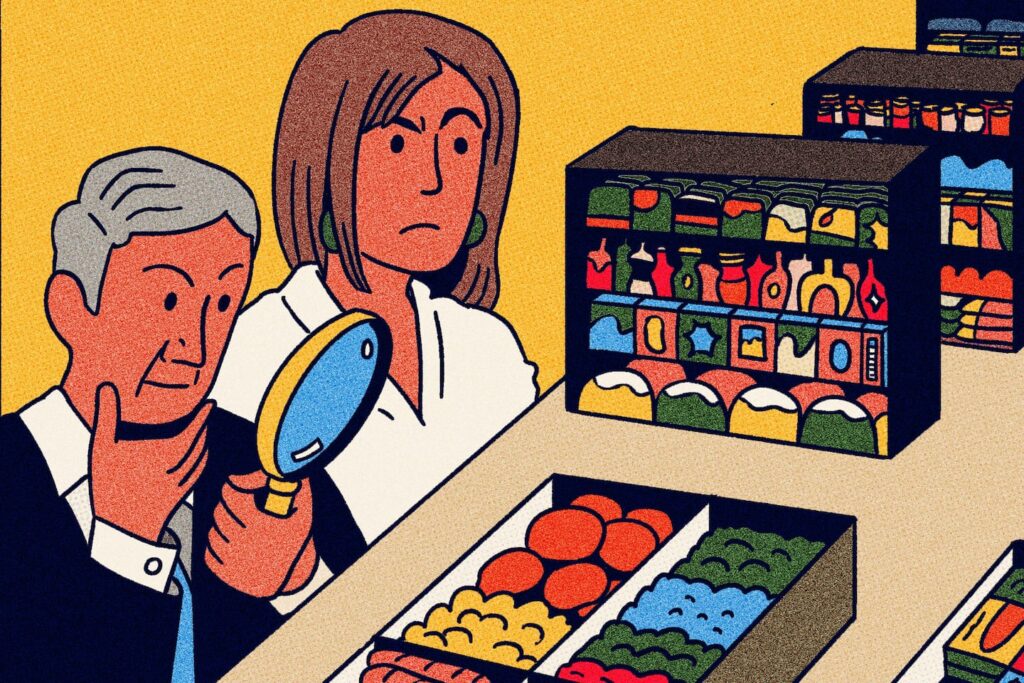
In an era where health concerns about food are increasingly prevalent, understanding the implications of ultraprocessed foods has become more important than ever. These foods, which make up nearly 75% of the American food supply, are linked to serious health issues such as diabetes, heart disease, obesity, and cancer. Yet, even those with knowledge about the risks may find it challenging to know which products to avoid, especially when juggling busy family schedules.
To shed light on this topic, I took a grocery store trip with Dr. Mande, a nutrition advocate and professor at Harvard's T.H. Chan School of Public Health. Mande was instrumental in designing the Nutrition Facts label and has extensive experience with the Food and Drug Administration and the U.S. Department of Agriculture. Together, we explored the aisles of Trader Joe’s and Harris Teeter in Washington, D.C., to dissect the nutrition of foods my family regularly buys.
As we navigated the aisles, I braced myself for Mande's critique of my family's grocery selections. My fears materialized when he classified my “Mexican cheese” with anti-caking agents as ultraprocessed. He emphasized that these types of foods, filled with chemical additives and industrial processes, are designed to be hyperpalatable and calorically dense, leading to overeating.
“Ultraprocessed foods are essentially 'poison,'” Mande stated, a term echoed by many nutrition experts. They often contain hidden sugars and preservatives that complicate healthy eating choices. Yet, our discussion quickly turned to practical advice for those of us who have to balance nutrition with the demands of family life.
When assessing a product, Mande suggests starting with the ingredient list: the first three ingredients should ideally be recognizable and nutritious. If you see sugars or unhealthy additives early in the list, it's prudent to move on. “Look for added sugars, saturated fat, and sodium,” he advised, as we examined various packaged items. For instance, frozen stir-fry meals often reveal concerning sodium levels, sometimes exceeding 20% of the daily value.
“In our busy lives, we often sacrifice quality for convenience,” Mande acknowledged. He pointed out that while ultraprocessed items save time, they may set a poor dietary precedent, particularly for children. The challenge is substantial, especially when you consider that ultraprocessed foods account for more than half of our caloric intake.
A key takeaway from our grocery outing was the importance of balance. Mande recommended visualizing a plate that is ideally half filled with fruits, vegetables, and whole grains. “If you can focus on that, you’re starting from a good place,” he said. He also highlighted the significance of dietary fiber, suggesting that it should ideally be 10% or more of the total carbohydrates in a food product.
Interestingly, we also discussed the misleading nature of food marketing. Terms like “natural” can be deceptive. Mande joked, “Cyanide is natural, but it’s not healthy.” Just because something is labeled as natural doesn’t make it nutritious. He stressed the importance of scrutinizing food labels, especially for children’s products, which often contain artificial dyes aimed at making them more appealing.
As we weaved through the aisles, Mande provided real-world solutions for busy families. Small changes, such as switching to whole grain tortillas or incorporating vegetables into a boxed meal, can significantly improve nutritional intake. A scientific review has shown that increasing whole grain consumption by just one serving a day can lower diabetes risk by 18%.
Despite the complexities surrounding food choices, Mande reassured me that achieving a balanced diet doesn’t have to be perfect. He encouraged making manageable improvements rather than aiming for an unrealistic standard. “The system is complicated, and as consumers, we can’t sort it all out by ourselves. We need to demand better options,” he said.
Before concluding our shopping trip, I picked up a tube of ready-to-bake biscuits, debating their nutritional value. Mande's teachings echoed in my mind as I scanned the label—low in fiber but high in sugars and sodium. “Can’t win ’em all,” I remarked, realizing that navigating the grocery store is as much about making informed choices as it is about understanding the industry behind those choices.
In the end, it was clear that while ultraprocessed foods present significant health concerns, they also represent the complexities of modern life. Knowledge is power, but for many, the challenge lies in making informed decisions amidst a sea of options designed for convenience rather than nutrition.
You Won't Believe What Happens to the Rockets After the All-Star Break—Top Two Shocking Storylines Revealed!

Kenya's Shocking Move: Could This New Carbon Credit Registry Save Our Planet or Spell Disaster?

Why the Melting Arctic Could Ignite a Global Power Struggle You Never Saw Coming!

Dow, S&P 500, and Nasdaq Futures Plunge: Are AI Fears About to Wreak Havoc on Your Portfolio?

This Little-Known Swiss AI Startup Just Landed $500K—Why You Need to Know Before It Explodes!

You Won't Believe What 1791 Outdoor Lifestyle Group Unveils at the 2026 February Outdoor Show!
You might also like: