
You Won't Believe How Many Americans Are Paying for Longevity Tests—Is Your Health at Risk?

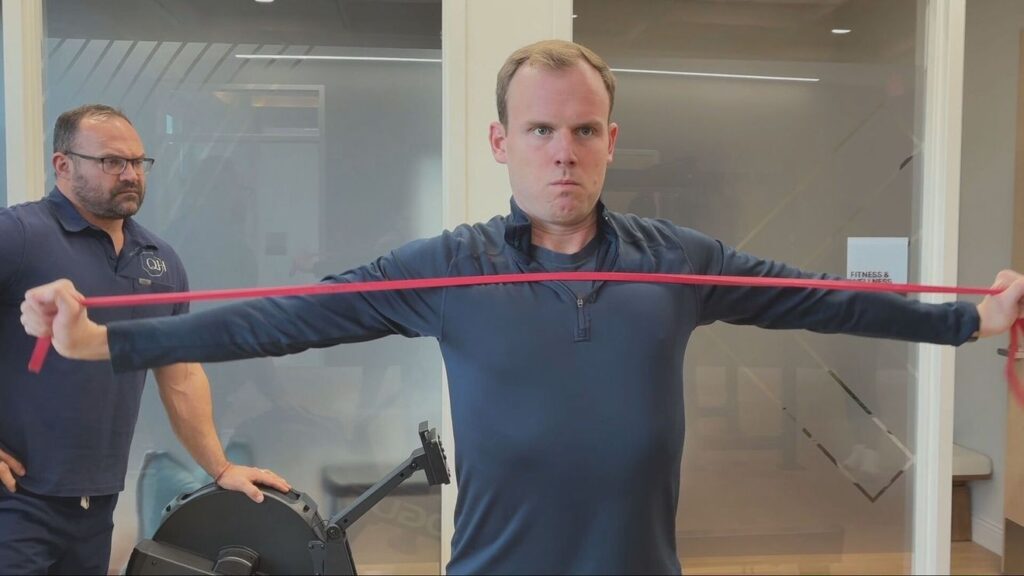
CINCINNATI (WKRC) - A growing trend in health care, known as longevity medicine, is gaining traction as more individuals seek ways to enhance their health and extend their vitality. This approach emphasizes not merely living longer but improving the quality of those years. One local patient, William Freeman, has recently experienced the benefits firsthand after enrolling at Quotient Health, a concierge-style practice that positions itself as a longevity clinic.
Freeman, a father of two young children, appreciates the clinic's focus on maintaining wellness while managing the demands of parenting. “I’ve got a three-year-old. I’ve got an eight-month-old. I’m running around like crazy,” he explained, highlighting the importance of staying active in his busy life.
Unlike a conventional first visit to a primary care provider, Freeman’s initial assessment at Quotient Health included comprehensive screenings such as fitness testing, blood testing, and bone density testing. This thorough approach is part of the clinic’s philosophy, as articulated by co-founder Dr. Justin Greiwe. He explains, “We call ourselves a longevity clinic but I would say we are mainly a health span clinic looking to improve quality of life, function, increasing lean muscle tissue, increasing aerobic capacity.”
The clientele at Quotient Health is diverse, ranging from young parents like Freeman to corporate executives and retirees, all seeking personalized strategies for long-term well-being. Freeman’s goal is clear: “All that matters to me for the next 10, 20 years is that I can remain active and healthy.”
The clinic’s model incorporates a team of health professionals, including a primary care physician, fitness experts, and nutritionists. Dr. Greiwe emphasized the importance of this collaborative approach: “We pair them with a primary care doctor, a fitness expert, nutrition.” This integrated support system aims to foster proactive health management as opposed to the traditional reactive model.
This proactive philosophy is echoed by Stephanie Shoemaker, a registered nurse at Quotient Health, who stated, “So we try to work on proactive medicine here versus reactive medicine.” The clinic’s emphasis on early detection and intervention is designed to prevent health issues before they escalate, which advocates argue can lead to significant savings in both health care costs and lives.
Within weeks of starting his program, Freeman discovered he had a chronic blood condition that was easily treatable, along with other issues that had been affecting his energy levels. “All things that have compounded into just a better lifestyle and bringing a better self to my kids, to my work, to my wife, which has been really great,” he shared, reflecting on the transformative impact of his new health strategy.
However, the services offered by Quotient Health come with a price tag that not all may afford. The upfront fee to join the practice is approximately $4,000, supplemented by monthly membership fees, which are typically not covered by medical insurance. While specialty referrals may be coordinated by the primary care team and often are covered, the overall costs can be a barrier for many.
The rise of longevity medicine, as exemplified by Quotient Health, signals a shift in health care priorities, focusing more on quality of life rather than just extension of life. For many, like Freeman, this approach offers hope for a healthier, more active future.
You Won't Believe How Brands Are Shaping Your Favorite Entertainment—Shocking Secrets Revealed!

Why This Healthcare Stock Just Shot Up 74%—And How You Could Miss Out on Massive Gains!

Marshall County Schools Take SHOCKING Stand: Are Social Media Giants Destroying Our Kids' Mental Health?

Lawmakers Sneak Plan to Slash Early Voting Days—Find Out What This Means for YOUR Vote!

Is Live Nation Stock About to Skyrocket Before Feb. 19? Investors Are SHOCKED! Don’t Miss Out!

Eugene Wine-Shop Owner Quits Race Against Hoyle—What Shocking Secret Made Him Back Down?
You might also like: