
Lawmakers Sneak Plan to Slash Early Voting Days—Find Out What This Means for YOUR Vote!

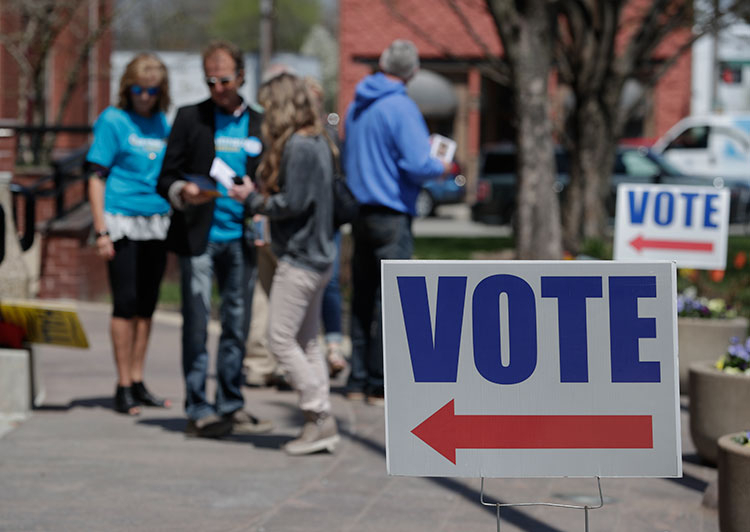
In a significant move that could reshape voter access in Indiana, lawmakers have proposed an amendment to House Bill 1359 that would cut early voting days in the state from 28 to 16. The amendment was introduced during a committee meeting on Monday, as the legislative session approaches its conclusion. Originally, the bill aimed to modify the timing for scanning in-person early voting ballots to streamline processes and reduce costs for counties.
However, the amendment spearheaded by Senate Elections Committee Chair Sen. Mike Gaskill (R-Pendleton) claims that reducing early voting days will not only save money but also simplify the electoral process. Gaskill argued that aligning Indiana with the early voting practices of other states is essential, stating, “I'm sure many of you have heard the argument that, even here at the legislature, that it's election day, not election month.”
Notably, the bill did not undergo a public hearing on the day the amendment was introduced, raising concerns among some lawmakers. Democrats on the committee voiced strong opposition, fearing that the reduction in early voting days could hinder accessibility for working families who may not have the opportunity to vote on election day. Sen. Fady Qaddoura (D-Indianapolis) highlighted potential issues, noting that some polling stations in his district have seen wait times of up to six hours. He cautioned, “I think between the policy of saving dollars versus allowing access and increasing voter participation at a time when Indiana ranks in the bottom five nationwide on voter participation, I think it's extremely problematic.”
Historically, Indiana has struggled with low voter turnout, often ranking near the bottom nationally. However, a modest increase in participation was observed last year, with the state improving from 50th to 41st place, as reported by the Indiana Bar Foundation’s Civic Health Index for 2025.
Julia Vaughn, Executive Director of Common Cause of Indiana, condemned the amendment, stating, “This amendment will give Hoosiers even less time to cast a ballot, making it harder for them to participate in the democratic process.” The average number of early voting days across states stands at 20, with some states allowing as few as three days and others as many as 46, according to the National Conference of State Legislatures. Presently, Indiana is among approximately 14 states that offer 28 or more days of early voting.
While the discussion on election security didn't dominate the committee meeting, Gaskill did suggest that the shortened timeframe could serve as a compromise for those concerned about extended early voting periods being a risk to election integrity. Sen. Greg Walker (R-Columbus) echoed concerns regarding the potential drawbacks of limiting early voting. He mentioned that many voters in his district opted for in-person absentee voting in recent elections, emphasizing that the data indicates public trust in the current system. “So for them to show that degree of confidence in the system as to be part of that early vote, I think that is actually data we can look at to say that the public doesn't have concerns,” Walker noted.
Increasing numbers of voters have turned to early voting in Indiana, with nearly one-third of voters casting their ballots early during the 2024 general election. Despite Walker's opposition to the amendment, the bill passed out of committee with a final vote of 7-2 and is set to move to the full Senate. It will need to return to the House before proceeding to the Governor’s desk, with the legislative session expected to wrap up by the end of February.
Is Live Nation Stock About to Skyrocket Before Feb. 19? Investors Are SHOCKED! Don’t Miss Out!

Eugene Wine-Shop Owner Quits Race Against Hoyle—What Shocking Secret Made Him Back Down?

Shocking Leadership Overhaul at HHS: What This February Shakeup Means for Your Healthcare!
Is Your Browser Putting Your Data at Risk? 7 Shocking Reasons You Need to Upgrade NOW!

Tragedy Strikes: 18-Year-Old Parker Sutherland's Shocking Death Leaves Football Community Reeling!

You Won’t Believe How Jitesh Luthra Went From Startup Failures to a $1 Million Business Blueprint!
You might also like: