
UK Doctor Exposes Shocking Truth: Are Children Being 'Weaponized' by Social Media?

The debate surrounding children's access to gender healthcare has intensified, particularly in light of recent comments by Dr. Hilary Cass, a British expert who led a review of the National Health Service (NHS) gender care for individuals under 18. In an interview with the BBC’s Sunday With Laura Kuenssberg, Cass highlighted the impact of social media, asserting that young people have been “weaponised” and misled about the realities of transitioning.
Dr. Cass's review prompted significant changes to NHS policy, including a controversial ban on puberty blockers—a treatment often prescribed to adolescents experiencing gender dysphoria. These changes reflect growing concerns over the mental health and wellbeing of minors navigating complex gender identities.
“There are a tiny number of people who will never be comfortable with their biological sex, with the gender associated with their biological sex,” Dr. Cass stated. She emphasized the importance of distinguishing between these individuals and the larger population of young people who may be experiencing transient feelings of gender dysphoria. For these individuals, she noted, “a medical pathway is the only way they’re going to live their life comfortably.”
While welcoming the draft guidance published by Britain’s Department for Education, Dr. Cass acknowledged that it is “impossible” to create a policy that is “completely foolproof.” The complexity of gender identity, compounded by the pressures of social media, creates a challenging landscape for both healthcare providers and the youth they serve.
Moreover, Dr. Cass pointed out that “people at the extremes” of the debate have contributed to considerable distress among young people exploring their identities. The implications of these discussions extend beyond the UK, reflecting a significant and contentious issue within public health and education systems globally.
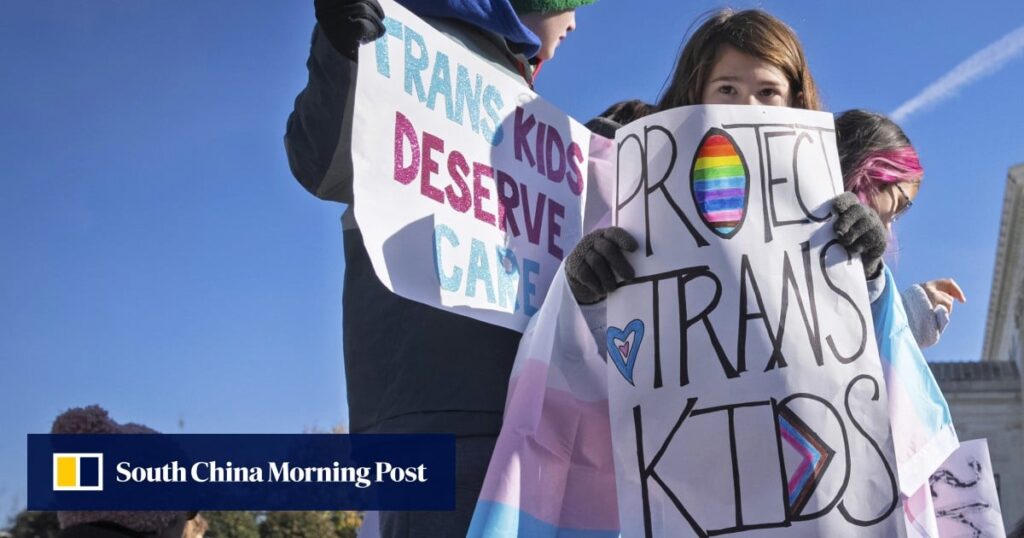
In the U.S., the conversation around transgender healthcare for minors is similarly fraught. Recent legislative efforts aimed at restricting access to gender-affirming care have sparked protests and debates across the nation. Many advocates argue that such measures can lead to negative mental health outcomes, underscoring the need for supportive environments where young people can seek guidance and care without fear of stigma.
As this conversation continues to evolve, the insights of experts like Dr. Cass underscore the necessity for nuanced policies that prioritize the wellbeing of young people. The challenge lies in balancing the need for immediate support with a cautious approach to medical interventions in a rapidly changing social landscape.
Ultimately, creating a framework that is both protective and affirming will require ongoing dialogue among medical professionals, educators, and families. It is vital to navigate these discussions with care, placing the needs and experiences of young people at the forefront.
You Won't Believe What Happens When Gamers Try the New $300 ROG Kithara Headset - Is It Worth It?
Ethereum Surges Past $2,000! But Is a Major Whale About to Crash the Party?
This Swinger's Shocking Truth Will Change How You View Your Biggest Fear—Don't Miss It!

Apple's 2026 Plans Will Change Your Home Forever—Find Out What You’re Missing!

Governor's Shocking Bribery Scandal: Will an Independent Prosecutor Uncover the Truth Before It's Too Late?

Is Nationalizing Elections the Recipe for Bureaucratic Chaos? Shocking Consequences Await!
You might also like: