
Apple's 2026 Plans Will Change Your Home Forever—Find Out What You’re Missing!

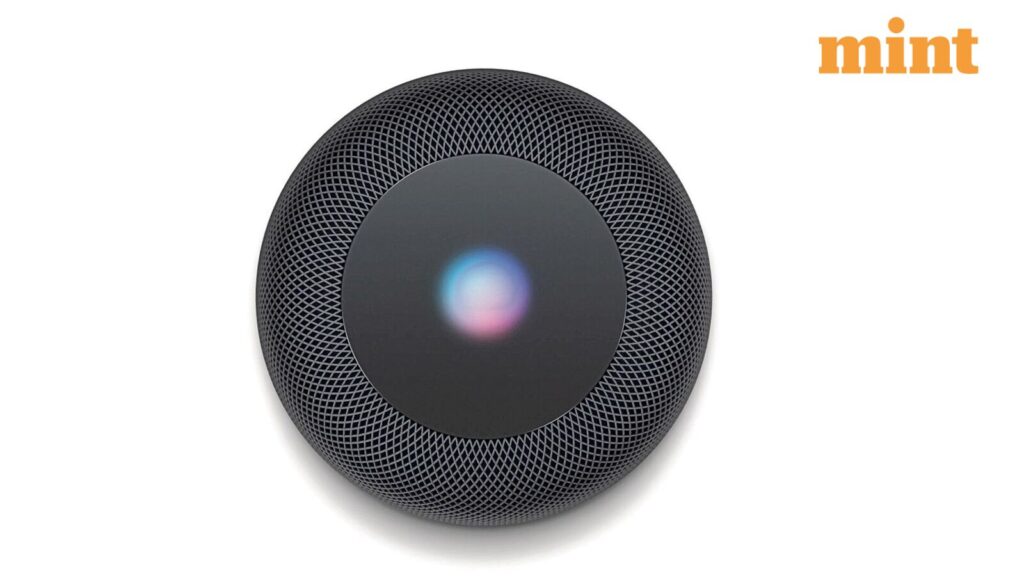
As 2026 approaches, Apple is gearing up for a significant expansion of its hardware offerings, especially in the smart home arena. While more ambitious developments, such as household robots, are projected for 2027, the immediate roadmap indicates a series of strategically essential devices that could reshape how we interact with our homes.
📰 Table of Contents
The HomePod mini Gets an Upgrade
According to a report by MacRumors, Apple is expected to unveil an updated version of the HomePod mini in 2026. While the exterior design may largely remain unchanged, new color options are anticipated to attract consumer interest. Internally, however, this second-generation model is said to feature a revamped S-series chip derived from the Apple Watch Series 10, which promises enhancements in sound quality and real-time computational audio.
In terms of connectivity, the new HomePod mini is likely to support Bluetooth 5.3 and include a second-generation Ultra Wideband chip. Pricing is expected to stay consistent with the current market rate, retaining its $99 price point, making it an accessible option for consumers keen on smart home technology.
A Centralized Home Hub
Alongside the HomePod mini, Apple is reportedly working on a dedicated home hub designed to serve as a centralized control point for smart home devices. This innovative device is expected to enable users to manage various smart home accessories, make calls, play music, check the weather, browse photos, and view shared calendars, all from one interface.
Rumors suggest that the hub will incorporate presence sensors to detect when someone enters the room, and an integrated camera could identify individuals by voice. This personalization could lead to tailored content and app suggestions for family members, enhancing user interaction and satisfaction.
The anticipated home hub is expected to feature Face ID, built-in speakers, and an A18 chip to support advanced Apple Intelligence features. Rather than offering a comprehensive App Store, it is likely to run a curated array of Apple applications, including Safari, Apple Music, Notes, Calendar, Photos, and Apple News. Two versions of this hub are reportedly in development: one designed to mount directly on a wall, while the other is styled to rest on a speaker base similar to the HomePod mini.
Smart Security Solutions on the Horizon
Apple's foray into the smart home market may also extend to security hardware. The company is rumored to be developing indoor security cameras that would integrate seamlessly with both Apple Home and the upcoming home hub, reinforcing its commitment to providing a comprehensive smart home ecosystem.
In addition to indoor cameras, there are whispers of a doorbell camera equipped with Face ID, potentially allowing the device to recognize visitors and interact with a compatible smart lock. Any Apple-branded cameras are expected to support HomeKit Secure Video with end-to-end encryption, although further details about these products remain scarce. Conflicting reports indicate that these security cameras could make their debut as early as 2026, but the exact timing is yet to be confirmed.
In summary, Apple's strategic push into smart home technology in 2026 represents a significant evolution in how consumers might engage with their living spaces. With upgrades to the HomePod mini, the introduction of a centralized home hub, and the potential rollout of security cameras, Apple is positioning itself as a formidable player in the rapidly growing smart home market. This ambitious roadmap not only indicates the company's commitment to innovation but also its understanding of consumer demands for interconnected and intelligent home solutions.
Governor's Shocking Bribery Scandal: Will an Independent Prosecutor Uncover the Truth Before It's Too Late?

Is Nationalizing Elections the Recipe for Bureaucratic Chaos? Shocking Consequences Await!

You Won't Believe How BYD's Atto 3 Just Transformed—Is This the Future of EVs?

Don't Miss This: Shocking NBA All-Star Game Secrets Revealed! What You MUST Know for 2026!

Are Smartphones Losing Their Cool? Shocking Survey Reveals 25% of Women Now Prefer Old-School Cameras!

CDC’s Shocking Vaccine Trial Exposed: What The Lancet Is Hiding Could Change Everything!
You might also like: