
Why Mehmet Oz's Last-Minute Vaccine Plea Could Change Everything - Are You Prepared?

In a concerning trend that has persisted for over a year, measles cases in the United States are surging, signaling a likely loss of the country's "measles-free" status. With the highest incidence of cases since 2000, health professionals are increasingly alarmed that current vaccination efforts are insufficient to reverse the tide.
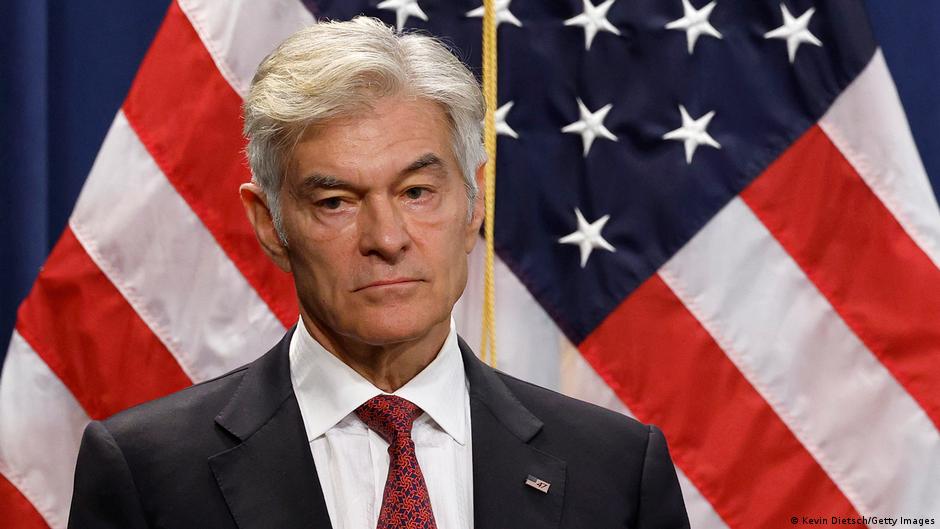
Dr. Mehmet Oz, the former celebrity doctor now serving as the administrator for the Centers for Medicare and Medicaid Services under the Trump administration, has made a public plea urging Americans to get vaccinated against measles. In an interview with CNN, Oz stated, "Take the vaccine, please," emphasizing the importance of vaccination: "Not all illnesses are equally dangerous and not all people are equally susceptible to those illnesses, but measles is one [disease where] you should get your vaccine." His call to action comes at a time when vaccination coverage has dipped below the critical threshold of 95% necessary for herd immunity, a situation made worse in some regions, including parts of Texas and South Carolina, where vaccination rates are even lower.
Despite the U.S. being classified as measles-free by international standards, the recent spike in cases—866 reported nationwide in the first five weeks of 2026 compared to only 71 cases at the same time last year—places this status in jeopardy. This marks a dramatic shift; for many years, the nation averaged only a few hundred cases annually.
Oz’s appeal is complicated by the contradictory stance of his superior, U.S. Health Secretary Robert F. Kennedy Jr., who has been known to cast doubt on vaccine safety. Since his appointment, Kennedy has overseen a revision of U.S. vaccine recommendations, including those for measles, mumps, rubella, and varicella. This inconsistency may undermine public trust in vaccination, according to expert opinions.
Dr. Sruti Nadimpalli, a clinical associate professor specializing in pediatric infectious disease at Stanford University, commented on the issue: "This week's renewed call for measles vaccination from the administrator of the Centers for Medicare and Medicaid Services, Dr. Mehmet Oz, feels like too little too late. We need our leaders to more proactively, strongly, and consistently endorse childhood vaccines, which have been repeatedly proven to be safe and effective."
The Global Context
Interestingly, while the U.S. is grappling with an increase in measles cases, other regions of the world are reporting declines. According to data from the World Health Organization and UNICEF, Europe and Central Asia saw a remarkable 75% drop in cases from 2024 to 2025. However, health experts warn against complacency. In September 2025, 32 European countries were declared measles-free, yet in January 2026, countries like Austria, Spain, and the UK lost their measles elimination status.
Health services on both sides of the Atlantic are facing similar challenges, including under-vaccination and spikes in cases within vulnerable communities. Fatima Cengic, UNICEF’s immunization specialist for Europe and Central Asia, noted, "Given how things are evolving globally, we do expect a big problem in the making." She highlighted that the success of historical vaccination programs has led to complacency, affecting both public perception and government funding for immunization programs.
In summary, the rising measles cases in the U.S. amidst declining numbers elsewhere present a stark narrative of public health. As the nation struggles with vaccine skepticism and lower vaccination rates, the calls for action from health officials underscore the urgent need for renewed efforts to combat this preventable disease. The current situation serves as a reminder of the critical role vaccines play in safeguarding public health, particularly for highly contagious diseases like measles.
White House's Shocking Move: How the CLARITY Act Could Change Your Life—Don't Miss Out!

You Won't Believe the 7 Valentine's Day Movies That Will Change Your Love Life Forever!

You Won't Believe Which NBA Stars Are Competing in the Kia Shooting Stars Showdown – Find Out NOW!
Single Mom Stunned as ACA Insurance Jumps $159—Will She Lose Her Coverage?

Tragedy Strikes: Deadly Russian Strike Claims Life in Odesa—What You Must Know NOW!

Is Your Child Getting Enough Sleep? Discover the Shocking Truth from a Top Psychiatrist!
You might also like: