
Is Your Child Getting Enough Sleep? Discover the Shocking Truth from a Top Psychiatrist!

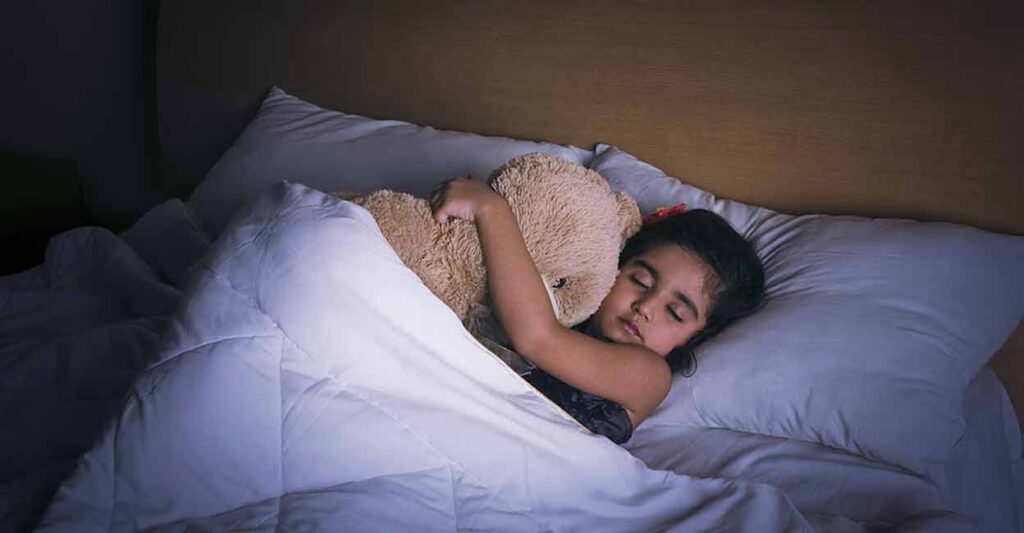
Ensuring that children get enough sleep is crucial for their physical and mental development. According to the U.S. Centers for Disease Control and Prevention (CDC), sleep needs vary considerably by age. Infants under three months should aim for around 17 hours of sleep daily, while children aged 4 to 12 months need between 12 to 16 hours, which includes nap times. As children grow, their sleep requirements change: toddlers (12 to 24 months) need up to 14 hours, preschoolers up to age 5 should get around 13 hours, and school-aged children (up to 12 years) need approximately 12 hours. Teenagers, in particular, require up to 10 hours of sleep each night for optimal health and performance.
Despite its importance, getting children to sleep well can often be a challenge, especially for those who may be hyperactive or restless. Dr. Chikku Mathew, a Consultant Psychiatrist at Caritas Hospital in Kottayam, offers several practical tips for parents to help facilitate better sleep patterns in their children.
1. Establish a Consistent Sleep Schedule
Encourage children to go to bed and wake up at the same time every day. Consistency reinforces their body’s natural sleep-wake cycle, making it easier for them to fall asleep and wake up feeling rested.
2. Manage Dietary Intake Before Bedtime
Avoid giving children caffeinated beverages like tea, coffee, or carbonated drinks after 4 or 5 PM. Instead, consider offering a light snack, such as a glass of warm milk or half-boiled plantain, about half an hour after dinner. Aim to have dinner finished before 8 PM.
3. Encourage Physical Activity
Engaging in physical exercise in the evening can help children expend energy, making it easier for them to sleep. Activities that make them sweat, followed by a cool shower, can further promote restful sleep.
4. Limit Screen Time
Help children avoid screens from devices like laptops, mobile phones, and televisions after 9 PM. Instead, encourage quieter activities like reading books or listening to music, which can be more conducive to sleep.
Identifying whether children are getting adequate sleep can be just as important as fostering good sleep habits. According to the Mayo Clinic, several signs may indicate that a child isn’t sleeping well. Parents should be vigilant for symptoms such as:
- Difficulty waking up in the morning
- Gloominess or irritability
- Poor academic performance
- Frequent headaches
- Stomach issues, such as nausea
- Disinterest in school activities
- Difficulty concentrating
- Problems with balance or coordination
Addressing sleep issues early on is essential, as insufficient sleep can lead to long-term consequences, impacting not just a child’s physical health but also their emotional and social well-being. By paying attention to sleep habits and making simple adjustments, parents can help ensure that their children get the restorative sleep they need for a healthy and fulfilling life.
School Nurse Exposes Shocking Truth: Are Your Kids' Health Needs Being Ignored? Don’t Miss This!
Unlock the Secrets: 7 Shocking Habits That Could Either Save or Ruin Your Brain Health!

Shocking Study Reveals 47% of UK Vegans Say Non-Vegan Partners Are a Major Red Flag!

What Your Tarot Cards Reveal About Love This Valentine’s Day—You Won’t Believe the Shocking Truth!

Four American Conference Stars Earn 2026 NFL Combine Invites—Who Will Shock Us Next?

You Won't Believe What Just Sold in Wood County: Shocking Real Estate Transfers Revealed!
You might also like: