
WHO's Shocking Accusation: Is the US Endangering Newborns with Controversial Vaccine Trials?

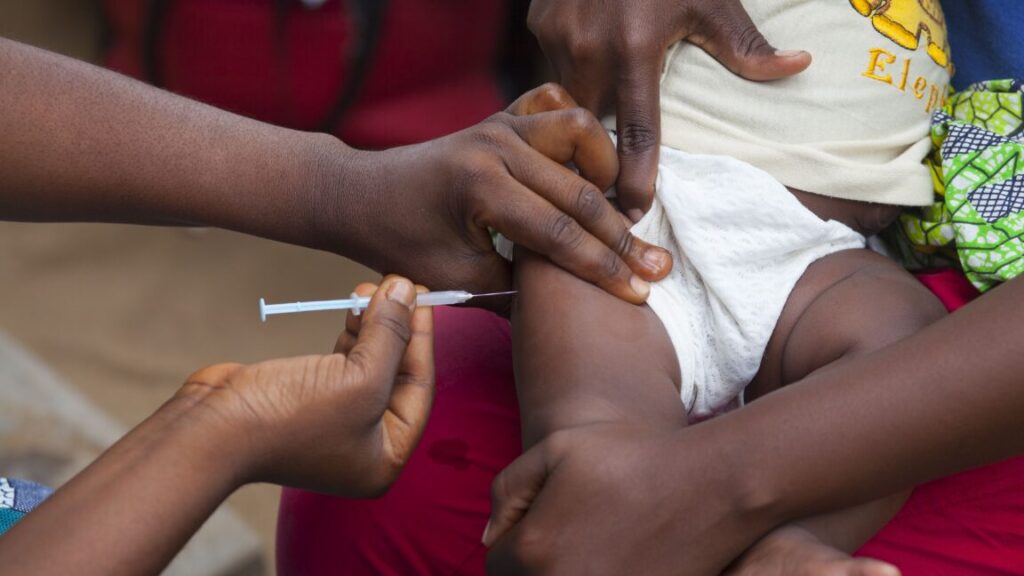
The World Health Organization (WHO) has issued a strong statement condemning a controversial clinical trial in Guinea-Bissau that involves withholding the hepatitis B vaccine birth dose from some newborns. The organization emphasized that this vaccine is a "proven lifesaving intervention" that has been effectively used for over three decades in more than 115 countries. According to the WHO, it plays a crucial role in preventing life-threatening liver diseases by stopping mother-to-child transmission of hepatitis B at birth.
In Guinea-Bissau, where over 12 percent of adults are chronically infected with hepatitis B, the implications of withholding this vaccine are severe. The WHO argued that the trial’s design does not guarantee adequate harm reduction and fails to protect the vulnerable newborns who could be exposed to serious health risks, including chronic infections, cirrhosis, or even liver cancer. In a section titled “Why withholding the vaccine is unethical,” the WHO stated, “There is no scientific justification for withholding a proven intervention, and there is no credible evidence of the safety concerns that Benn and her colleagues claim to be looking for in their trial.”
The trial, as described in publicly available information, is designed to be single-blind and no-treatment-controlled. This setup raises significant concerns about potential bias, which could limit the interpretability and policy relevance of the study’s results. The WHO warns that the participants and the healthcare system in Guinea-Bissau could suffer irreversible harm due to this lack of ethical consideration.
As of now, the trial appears to be suspended. Quinhin Nantote, the Minister of Public Health for Guinea-Bissau, noted during a press conference that a technical and ethical review is pending, stating, “There has been no sufficient coordination in order to take a final decision regarding the study. Faced with this situation, we decided to suspend it.” The Africa Centres for Disease Control and Prevention previously suggested that the trial would not proceed, in contrast to the U.S. Department of Health and Human Services, which indicated the study was “proceeding as planned.”
This situation showcases the ethical complexities surrounding clinical trials, especially in low-resource settings where vulnerable populations may be affected. The WHO’s condemnation signals a broader concern about the ethics of research practices involving lifesaving interventions and the responsibility researchers hold to ensure the welfare of participants. The ongoing discourse around this trial underscores the importance of maintaining ethical standards in clinical research, particularly when it involves interventions that have a proven track record of success.
You Won't Believe How Canton’s Lyndaker Shattered the 4-Minute Mile—What It Means for College Track!

Why Did Proofpoint Just Pay Millions for Acuvity? The Shocking Truth About AI Security Revealed!

Is Pennsylvania on the Brink? Shocking Fallout from the Endangered Species Ruling Revealed!

You Won't Believe What Jennie Kautz Just Revealed About Newmark – This Could Change Everything!
Judge Drops Bombshell on RFK Jr.'s Vaccine Policies—What This Means for Your Family!

Why Are Arizona Activists Sounding the Alarm Over EPA's Shocking Climate Reversal?
You might also like: