
Why Are Arizona Activists Sounding the Alarm Over EPA's Shocking Climate Reversal?

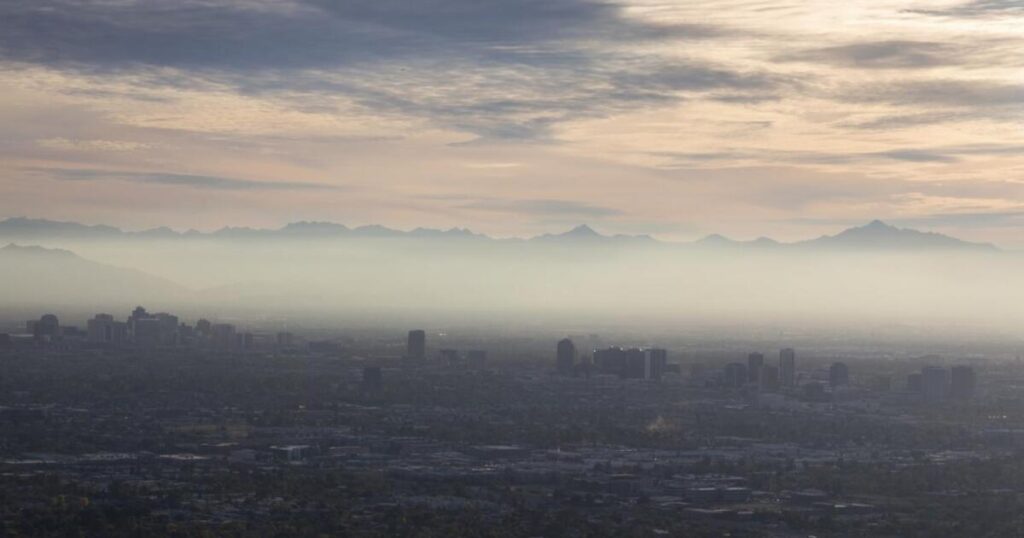
In a move that has ignited strong reactions across Arizona, the Trump administration recently announced plans to rescind the endangerment finding, a crucial scientific basis that empowers the Environmental Protection Agency (EPA) to impose limits on carbon pollution. This announcement has prompted environmental advocates and state officials to voice their concerns about its potential negative impacts on public health and climate stability.
The White House characterized this decision as a step towards reducing regulations and lowering energy costs for American families and businesses. A press release from the administration stated, “This decisive action dismantles the flawed 2009 determination that Democrats weaponized to justify over $1.3 trillion in burdensome regulations on American families, businesses, and consumers.”
However, environmental groups are quick to counter that such a rollback will only exacerbate air pollution and hasten the effects of climate change. Sandy Bahr, the director of the Sierra Club's Grand Canyon Chapter, expressed her dismay, saying, “Eliminating the EPA’s requirement to protect people from the pollution that causes climate change is not supported by science or by common sense and is immoral as it will result in more harm to our health and our communities.”
Kirsten Engel, chief of the Arizona Attorney General’s Office Environmental Protection Unit, emphasized that the implications of rescinding these regulations would be particularly severe for Arizona. Engel highlighted the unsettling reality that the hottest two years on record for the state were 2024 and 2025. She pointed out, “The best available science tells us that Arizona’s hotter and drier conditions are being driven by climate change.” Engel noted that extreme heat contributes to hundreds of deaths annually within the state, underscoring the urgent need for regulatory measures to mitigate these risks.
In light of these concerns, Engel's office is exploring legal options to counter the Trump administration's decision. She described the EPA's action as “unlawful, reckless, and flatly at odds with decades of settled law and science.” Engel firmly stated, “This rule abandons the EPA’s fundamental responsibility to protect Americans from real and worsening environmental harm.”
The ongoing debate surrounding the endangerment finding touches on broader issues of public health, environmental ethics, and the role of government in regulating industry practices that significantly impact climate change. As Arizona faces increasing temperatures and a heightened risk of climate-related health issues, the responses from local officials and environmental organizations will be pivotal in shaping the state's approach to these pressing challenges. With legal battles potentially on the horizon, the fallout from this policy change could have far-reaching implications not only for Arizona but for environmental regulations nationwide.
Is This the End for the Commanders? Shocking NFL Power Rankings Expose Their Major Flaw!

Vanderbilt's Shocking New Role in Election Research: What This Means for 2024!

You Won't Believe How the ABA Changed Sports Forever—George Karl Reveals Shocking Details!
You Won't Believe Who Just Got Appointed to the Baker County Board—And What It Means for You!

Morningstar Exposes Shocking Truth: Are Semiliquid Funds Really Safe? Investors MUST Know Now!

Will Ohio's Next Governor Decide the Fate of H2Ohio? Shocking Revelations Inside!
You might also like: