
N.C. Health Leaders Reveal Shocking Stats: Are You Losing Access to Essential Services?

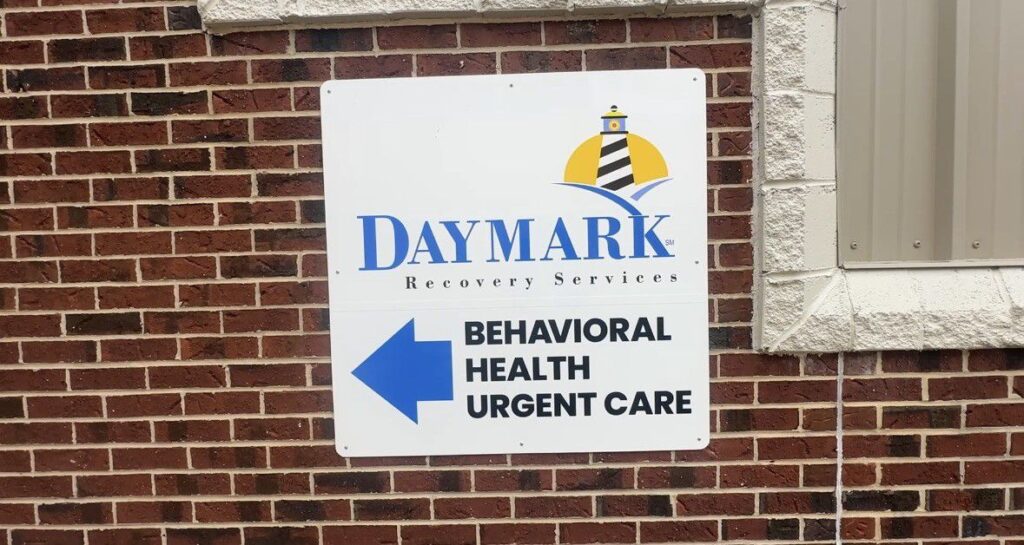
RALEIGH, N.C. — New investments in behavioral and mental health services in North Carolina are showing measurable progress, according to a year-one progress report from the North Carolina Department of Health and Human Services (NCDHHS). This report highlights advancements made as part of the Division of Mental Health, Developmental Disabilities and Substance Use Services’ 2024-2029 strategic plan, specifically focusing on expanded crisis services, workforce initiatives, and substance use treatment programs.
In 2025, state leaders announced several significant developments, including the opening of seven new Behavioral Health Urgent Care (BHUC) centers and one facility-based crisis center. These facilities aim to provide immediate support for individuals facing mental health crises or substance use disorders, serving as alternatives to emergency rooms and inpatient psychiatric hospitals.
Transformation in Crisis Care
The NCDHHS has also launched two mobile opioid treatment programs designed to reach underserved communities. Notably, the report states that more than 150,000 naloxone kits have been distributed through various partnerships, emphasizing a proactive approach to combating the opioid crisis. The number of individuals receiving services through opioid treatment centers has risen by 9% in the first quarter of 2025 compared to the same period the previous year.
"We are building a healthier North Carolina that puts people first, meeting their health needs at the right time and in the setting that is best for them,”
stated NCDHHS Secretary Dev Sangvai.
Local service providers, such as Lauren Kestner, director of the Queen City Harm Reduction Division at the Center for Prevention Services, note that the progress outlined in the report aligns with their experiences on the ground. Her team is currently accommodating between 150-300 individuals weekly, primarily those who use drugs and belong to historically marginalized groups. Kestner credits state grant funding from NCDHHS for enabling the expansion of harm reduction and prevention services, stating, "They’re how we even had a chance."
In Rowan County, the newly opened BHUC in March 2025 provides essential services to individuals with mental illnesses or substance use disorders. Operated by Daymark Recovery Services in partnership with the DHHS, Vaya Health, and other local organizations, this center sees over 100 individuals each month. Chief Program Officer Michelle Ivey notes that the urgent care model allows clients to receive crisis stabilization and behavioral health services without the burden of insurance or out-of-pocket costs. She explains, “A person does not have to have insurance to come here. There is no co-pay, no out-of-pocket, so a person just needs to show up.”
Despite these advancements, challenges remain in access to care. Millions of Americans live in designated Mental Health Professional Shortage Areas, which contribute to delays in receiving necessary care. The urgent care model in Rowan County strives to reduce these barriers, helping to divert individuals from emergency departments and connect them to appropriate services more swiftly.
As Kestner observes, sustained funding is critical to maintaining momentum in supporting communities in need. “I think that we’re in a very uncertain moment of time when it comes to funding,” she warns. “This isn’t work that can be done in just a few years.”
Health leaders emphasize that expanding access, strengthening partnerships, and building the behavioral health workforce remain top priorities as North Carolina continues to implement its strategic plan. As these initiatives progress, the state's commitment to addressing mental health and substance abuse issues is clearly reflected in the growing number of services and facilities available to those in need.
For the latest updates on health services and other happenings across North Carolina, follow us on Instagram at spectrumnews1nc.
China Tech Restrictions on Hold: What Trump and Xi's Talks Could Mean for Your Wallet!
You Won’t Believe What the New YMCA Expansion in Loves Park Means for Your Fitness Routine!
Fulton County's Shocking Lawsuit Against the FBI: What Are They Hiding? You Won't Believe the Consequences!

Judge’s Shocking Ruling on Trinidad Chambliss: What College Football Fans MUST Know NOW!

Coinbase's Shocking $600 Million Loss: Is This the End of Crypto as We Know It?

Google CEO's Shocking Reveal: Gemini 3's Massive Upgrade Could Change Everything—Are You Ready?
You might also like: