
Is Your Smartphone AI Lying to You? Shocking Truth About Siri and Gemini Revealed!

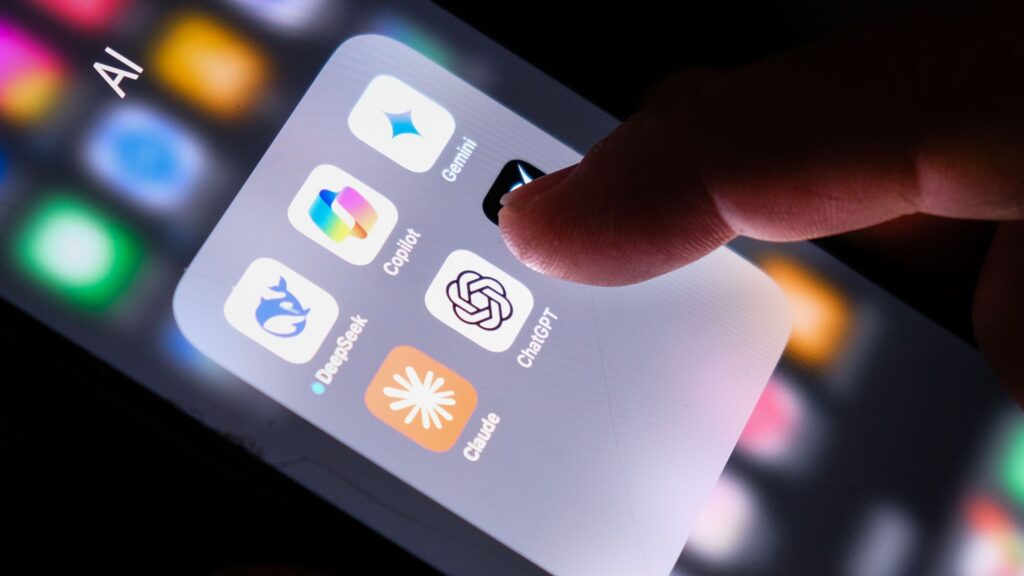
As smartphone technology continues to advance, the integration of artificial intelligence (AI) has become a focal point for leading companies like Apple, Lenovo, and Google. However, this trend has sparked a troubling conversation about the effectiveness and ethics of the AI features currently available on these devices. Many users are left wondering if the current state of smartphone AI is more of a hindrance than a help, raising questions about the future of mobile technology.
The promise of AI is vast and captivating, but the reality of its application in smartphones has left many feeling disillusioned. Critics argue that the current features are not just flawed; they are actively harmful. For example, imagine if a basic calculator sometimes produced incorrect results, or if word processing software introduced rather than corrected errors. These scenarios may seem exaggerated, yet many users are experiencing similar frustrations with their smartphones' AI functionalities. Misleading results and biased outputs have become common complaints.
Current Failings of Smartphone AI
Today’s smartphone AI tools have been observed to report falsehoods, perpetuate harmful stereotypes, and even enable fraudulent activities. This raises serious ethical questions about their deployment. In fact, there is a growing sense that the consumer benefits of AI in smartphones are virtually nonexistent. No one, after all, is purchasing devices based on their supposed AI prowess; the expectation is that AI features will enhance usability, not complicate it.
This troubling state of affairs is often rationalized by tech companies as necessary “growing pains” on the path to achieving Artificial General Intelligence (AGI)—a machine capable of human-like thought. Many tech giants maintain that the key to unlocking AGI lies in the accumulation of vast amounts of user data, which they argue is essential for refining AI models. However, this perspective appears increasingly naïve, especially in light of the ethical implications involved.
The upcoming generation of mobile chipsets, notably the Snapdragon 8 Elite Gen 5, promises astonishing power. Yet, this power is primarily geared towards enhancing the data collection capabilities of devices rather than improving user experience. The more data these smartphones can capture, the more they can refine their AI models, but at what cost to the user’s experience and privacy?
Despite the current shortcomings, there is hope that smartphone AI can evolve into something more user-friendly and efficient. The reliance on touchscreen interfaces in smartphones has often been criticized for being cumbersome and unintuitive. Many advocates argue that a significant shift is needed toward incorporating more tactile controls, making the user experience more seamless. Until this happens, a true AI interface may remain elusive.
It's essential to recognize that while AI functions can be improved and refined, users must not accept features that compromise ethical standards. If a smartphone AI tool produces outputs that are racially biased or propagate negative stereotypes, those features need to be scrapped entirely. The tech industry must prioritize ethical considerations as it develops AI technologies, ensuring that advancements do not come at the expense of fundamental human values.
Recent experiences with AI tools from brands like Google and Motorola illustrate the potential dangers. For instance, a request for a wallpaper depicting a “successful person” on the Google Pixel 9a resulted in outputs that echoed harmful stereotypes. This incident is not isolated; similar issues have been reported since the introduction of generative AI features in consumer devices. If AI technologies are not carefully vetted and guided by ethical standards, they risk becoming vehicles for misinformation rather than tools for empowerment.
In conclusion, while the dream of a seamlessly integrated AI experience in smartphones is appealing, the current execution feels like a nightmare. The market's obsession with AI features should not overshadow the ethical imperative to create technology that is not only smart but also responsible. As consumers, we must advocate for a future where AI enhances our lives without compromising our values, waiting for the dawn of true artificial intelligence while rejecting today’s flawed implementations.
Hawks' Bold Move: Are They About to Unleash a Future Superstar in This Shocking Draft Pick?

Are the Buckeyes, Hoosiers, and Ducks Destined to Crash the College Football Playoff? Shocking Stats Inside!

Is This the Silent Crisis No One Is Discussing? 5 Shocking Facts That Will Leave You Speechless!

Shocking Report: 2025 Sees Poor Communities Crippled by Climate Disasters—Are You Next?

Top Developers Reveal the Shocking $500 Billion Wellness Real Estate Trend You Can’t Afford to Ignore!

iOS 26’s Fitness App: The THREE Game-Changing Upgrades You’ll Regret Ignoring in 2024!
You might also like: