
Shocking AI Breakthroughs and Foldable Phones: Is Your Wallet Ready for the Price Hike?

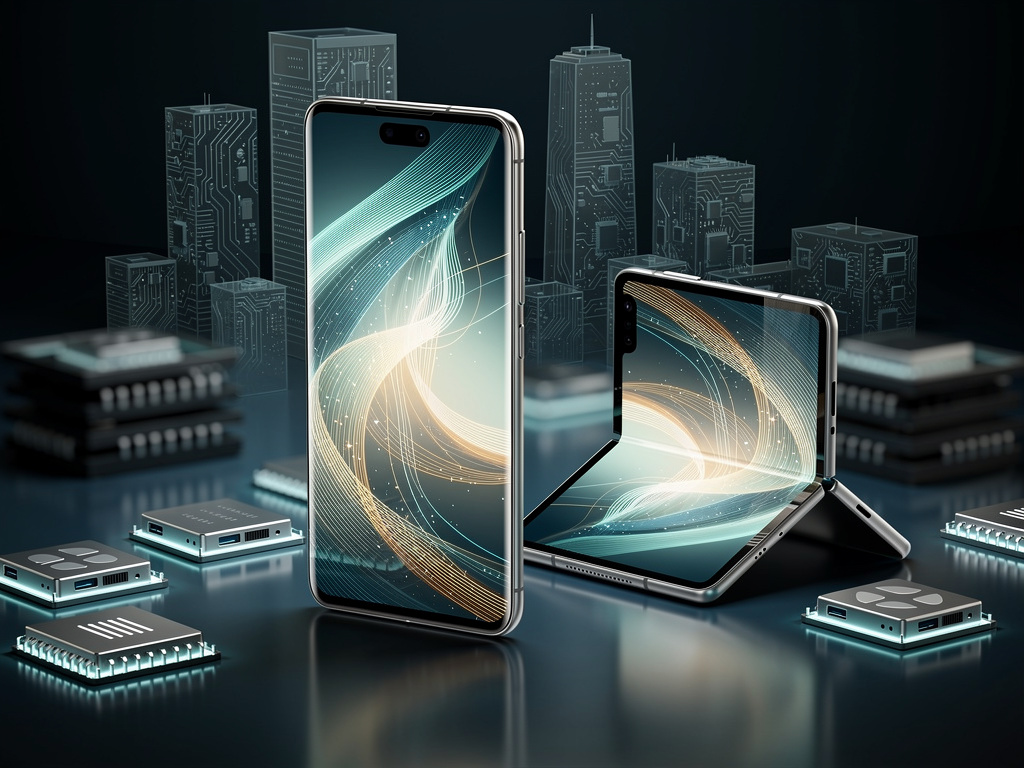
The smartphone industry is gearing up for significant advancements in 2026, driven by innovations in artificial intelligence (AI), display technologies, and device form factors. As the tech landscape evolves, experts suggest that next year's devices will integrate AI more deeply than ever, transforming smartphones into intuitive companions capable of anticipating user needs. However, this progression is not without its challenges, particularly regarding supply chain pressures that could impact pricing and accessibility for consumers worldwide.
According to industry reviews, 2026 could mark a turning point, especially with foldable phones expected to become mainstream. Analysts note that Apple may launch its first foldable iPhone, potentially redefining user interactions by offering larger screens in compact designs without sacrificing portability. This anticipated move aligns with insights from CNET, which highlight how these innovations could revolutionize everyday smartphone use.
The advancements in AI are not just peripheral enhancements; they are expected to become core features. Processors like Qualcomm’s Snapdragon 8 Gen 5 and Google’s Tensor G5 will support on-device AI, enabling real-time processing that enhances privacy and speed. This shift reflects a growing demand for seamless integration in daily life, empowering features such as personalized assistance and advanced photography.
📰 Table of Contents
AI at the Core: Redefining User Experiences
Beyond the hardware, software ecosystems will amplify AI capabilities. Insights from Forbes indicate that 2026 will introduce AI-native functionalities directly into operating systems, moving away from the "bolted-on" assistants of previous years. This could lead to devices that not only suggest edits to your photos but also create content tailored to your habits, all processed locally to minimize data risks.
This trend resonates with broader technological movements. Deloitte predicts that neuromorphic computing and edge AI will narrow the gap between AI's potential and practical delivery. For industry insiders, this means smartphones could evolve into integral hubs for enterprise tasks, facilitating data analysis and collaborative workflows.
However, excitement over these innovations comes with caution. Discussions among tech enthusiasts on X reveal concerns about flagship upgrades, such as ultrasonic fingerprint sensors and IP69 ratings in devices from brands like iQOO and OnePlus, indicating a potential strain on production costs.
The foldable segment is set to heat up, with IDC forecasting a 30% year-over-year growth in 2026, largely fueled by Apple's anticipated entry. Experts believe that the iPhone Fold could serve as a catalyst for wider adoption, pushing competitors to innovate further. Current leader Samsung, which boasts models like the Galaxy Z TriFold, is expected to refine its offerings, as detailed in a forecast from Mashable. The convergence of foldables with AI robots and smart glasses may redefine multitasking, transforming smartphones into portable workstations.
The Dark Side: Memory Shortages and Price Surges
Amid these advancements, a significant challenge looms: escalating prices due to a global memory shortage. An IDC blog post outlines how rising costs for DRAM and NAND will likely impact smartphone specifications and pricing. This could lead to reduced RAM and storage options across various segments. Analysts like Utsav Techie caution that 2026 might witness flagship phones with downgraded configurations, such as a drop from 16GB RAM to 12GB, and budget models reverting to 4GB.
These projections indicate that global smartphone shipments may decline by 2.1%, as noted by Walter Bloomberg from Counterpoint, reflecting how chip shortages might dampen demand. For consumers, this creates a dilemma: while innovations promise cutting-edge features, the reality of higher costs could make premium models less accessible, compelling buyers to compromise on specifications or delay upgrades.
On a positive note, advancements in battery technology are also on the horizon. Predictions from Android Central emphasize larger capacities and faster charging, addressing long-standing issues. We could see devices capable of lasting two days on a single charge—an invaluable benefit for professionals on the go.
Performance upgrades are expected to tie into these enhancements, with new system-on-chips (SoCs) promising efficiency gains. Community discussions on X reveal a growing demand for better AI integration and sustainable designs, with calls for more eco-friendly materials and modular components gaining traction.
Connectivity is evolving as well. As noted by Forbes, new standards are set to enhance data access and collaboration, making smartphones essential to broader digital services. This is particularly vital for businesses, where seamless integration with cloud and edge computing will streamline operations.
However, the memory shortage poses a wildcard in the equation. The IDC analysis warns that these challenges might ripple into the PC market too. For smartphones, brands like Samsung and Google may need to optimize for cost without compromising core features, as speculated in discussions about the upcoming Galaxy S26 series.
Manufacturers are adapting to these pressures. Reports suggest that Apple’s AI upgrades aim to justify premium pricing through unique features, while Google’s Pixel lineup is expected to build on foundational gains, offering value in mid-tier models like the S26 FE.
Critics are vocal about trends they hope to see subside. Lists from Android Authority identify unwanted features like proprietary charging and ultra-thin designs that compromise battery life, echoing sentiments on X for more practical innovations.
The landscape for smartphones in 2026 promises a balance between exciting advancements and economic realities. While the allure of AI and foldables captures attention, industry insiders must navigate the memory crunch effectively. Events like the CES 2026 will likely highlight these trends, showcasing everything from AI advancements to expansive displays, setting the stage for the next generation of smartphones.
As the smartphone realm evolves, consumers and businesses alike must weigh the appeal of cutting-edge technology against the backdrop of rising costs and escalating challenges. Ultimately, staying informed about these dynamic shifts will be crucial as we head into a transformative 2026.
Moto G-Series Phones Catch Fire! Shocking User Claims & Viral Footage You Must See NOW!

Is San Francisco Real Estate Making a Shocking Comeback? Discover What Investors Know NOW!

Trump's Latest Move: Why Two Major Kennedy Center Events Were Canceled—Shocking Details Inside!

Snack Bar Market Set to Explode to $41B by 2031—Are You Missing Out on This Healthy Goldmine?

Is This the Shocking Reason AI Leaders Say Coding is No Longer the Issue? Discover the Surprising Truth!

2026 NFL Mock Draft: 5 Shocking Picks That Could Change the League Forever!
You might also like: