
Unlock Your Hidden Genius: 7 Surprising Habits Introverts Can’t Afford to Ignore!


Ever wonder why some of the most brilliant creative minds prefer quiet corners to crowded rooms? Susan Cain explores this phenomenon in her groundbreaking book, Quiet: The Power of Introverts in a World That Can't Stop Talking. Her research underscores the idea that solitude is not just a preference for introverts; it’s often essential for their creative breakthroughs. As someone who transitioned from the corporate world to full-time writing, I can attest to the truth in Cain's findings.
Introverts have unique creative potential, and it is not merely a byproduct of their quiet nature but rather a fortification of it. For those who identify as introverts or love someone who does, here are seven habits that can help channel this introspective energy into extraordinary creative output.
📰 Table of Contents
1. Protect Your Solitude Fiercely
Do you often feel guilty for wanting to be alone? In our hyper-connected world, solitude is frequently misinterpreted as loneliness. Cain makes a compelling argument: for introverts, solitude is vital for creativity. I learned this lesson after leaving my analyst job. Initially, I thought that surrounding myself with other writers and attending networking events would enhance my creative flow. The opposite happened; I faced a creative drought.
Once I began to schedule dedicated alone time, my writing thrived. Now, I work in focused 90-minute blocks, completely undisturbed, leading to a significant boost in productivity. Stop apologizing for your need for solitude; those moments often yield your best ideas.
2. Create Before You Consume
How many times do you grab your phone first thing in the morning? Cain points out that introverts have rich inner worlds that can be overshadowed by external distractions. Starting your day by consuming content from others means allowing their thoughts to crowd your own mental space. Since I incorporated journaling into my morning routine, I've filled dozens of notebooks with reflections that help me harness my creativity before the outside world intrudes.
This practice allows my initial creative energy to go toward my own ideas. Give it a week, and you might be amazed at how your creativity transforms.
3. Embrace Deep Work Over Busy Work
When was the last time you engaged in uninterrupted work for hours? Cain’s research indicates that introverts excel in environments that allow for deep, focused work. Yet many workplaces are designed for constant interruptions. To combat this, I prioritize substantial time blocks for deep creative work, shutting off notifications and informing others of my unavailability during that time.
Some may view this as being difficult, but it’s a vital part of protecting the creative process.
4. Build a Restorative Niche
Where do you recharge? Cain emphasizes the importance of "restorative niches"—spaces where introverts can regain their energy levels. For me, it’s my morning trail run, where I disconnect from the noise of daily life. Whether it’s a cozy reading corner or a quiet garden, identifying and using your restorative niche regularly is essential for maintaining your creative energy.
5. Choose Depth Over Breadth in Relationships
How many deep conversations have you had this week? Cain argues that introverts often prefer meaningful one-on-one dialogues over superficial group interactions. This preference is a creative superpower because deep relationships provide the emotional and intellectual stimulation necessary for creativity to flourish.
I’ve found that opting for coffee dates with a couple of inspiring individuals yields far more fruitful collaborations than attending large networking events.
6. Honor Your Natural Rhythms
Are you forcing yourself to be creative at times when your energy is at its lowest? Many introverts experience peaks in creative energy at specific times of the day. Acknowledging these rhythms can significantly improve productivity. During my years in finance, I often felt my most creative in the evenings, but I’d force myself to work on creative tasks during lunch breaks. Now, I structure my day around my natural energy levels, which has made a remarkable difference.
Do you feel compelled to attend every social event? Cain’s research indicates that introverts don’t dislike socializing; they simply need to be selective to maintain their creative energy. Quality interactions are essential. I used to say yes to every invitation, believing I would miss out if I didn’t. This led to creative burnout. Now, I choose my engagements carefully, ensuring they align with my values and allow for energy retention for my work.
This might mean skipping the office happy hour to instead enjoy a small dinner with inspiring friends. Remember, every yes to one commitment is a no to another; make sure your yeses count.
Ultimately, Susan Cain’s work has empowered millions of introverts to embrace their true selves instead of conforming to extroverted ideals. The seven habits outlined are not about fostering isolation; they’re about understanding how introverts can best harness their unique creative strengths.
If you identify as an introvert, consider which of these habits resonates most with you. Perhaps you’ve already been practicing some of these without recognizing their significance. Your introversion isn't a hurdle to overcome but a powerful tool for creative expression awaiting your exploration.
Start with just one habit. Choose the one that feels most achievable or necessary in your life right now. Give yourself permission to embrace it for a month and observe the impact on your creative output. You might just find that your quiet moments could lead to your loudest creative breakthroughs.
You Won't Believe What Drove the Jan. 6 Bomber to Act—Shocking Election Conspiracies Exposed!

Accel Entertainment's Shocking Plans: Will NY's Online Sports Betting Boom Leave You Behind?

You Won't Believe What Trump Just Told Putin About Ukraine – Shocking Details Inside!
Discover the 32 Game-Changing Tech Startups You Didn't Know Could Change Your Life! Don’t Miss Out!

Is Your Child's Smartphone Addiction Leading to Shocking Health Risks? 7 Studies Reveal Alarming Truths!
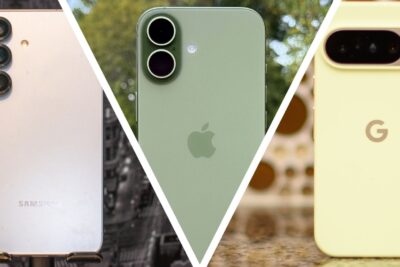
You Won't Believe What TechRadar Predicts for Smartphones by 2026—Bigger Batteries & AI Surprises Await!
You might also like: