
You Won't Believe What Drove the Jan. 6 Bomber to Act—Shocking Election Conspiracies Exposed!

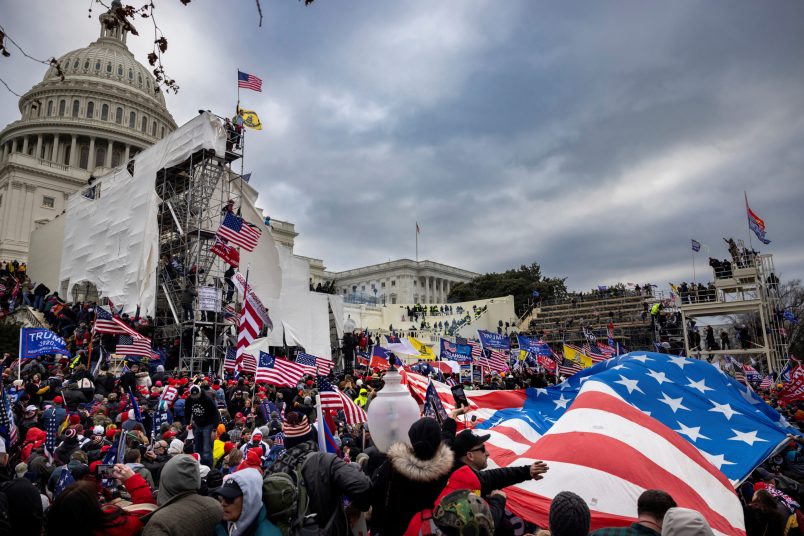
One of the lingering mysteries surrounding the events of January 6, 2021, has been the identity of the individual who planted pipe bombs at the Democratic National Committee (DNC) and Republican National Committee (RNC) headquarters. According to a recent filing from the Department of Justice (DOJ), that mystery has been resolved with the arrest of Brian Cole, a Virginia man who has confessed to the crime.
However, as the case unfolds, another question emerges: how will the DOJ, which has been perceived as increasingly aligned with the rhetoric of former President Donald Trump, address Cole's motives? The initial indictment against Cole did not detail what he believed he was achieving by allegedly placing the bombs on January 5, 2021. The affidavit linked him to the area through cell phone tower data, and it was noted that he had made purchases prior to the incident that included components matching those found in the explosives.
Critics have pointed out that the initial charges did not include evidence of Cole's communications leading up to January 6, nor did they address his motivations. This changed with a detention memo released on Sunday, which described how Cole initially denied planting the bombs. Under further questioning by FBI agents, including reminders about the legal consequences of lying to federal agents, he eventually admitted to the crime after being shown video footage of the bomber and an image of his sneakers.
Following his confession, Cole provided a detailed account of how he constructed and planted the bombs. He reportedly watched YouTube videos and consulted a video game for guidance on making black powder, the explosive component, and used Google Maps to select locations for the bombs. To cover his tracks, he used disinfectant wipes on the devices and wiped his phone 943 times before his arrest.
During his interrogation, Cole expressed belief in conspiracy theories suggesting that the 2020 election was stolen. “If people feel that, you know, something as important as voting in the federal election is being tampered with, is being, you know, relegated null and void, then, like, someone needs to speak up, right?” he allegedly said.
This case raises crucial discussions about the nature of political violence and the motivations behind such actions. Experts in counterterrorism have indicated that extreme ideologies often serve as a means for individuals with personal issues to “self-medicate,” potentially justifying actions they were already inclined to take. This situation is further complicated by the ongoing influence of Donald Trump, who has been criticized for encouraging violent sentiments during his presidency and continues to provoke his supporters through inflammatory rhetoric.
In their memo, prosecutors noted that Cole stated he targeted the RNC and DNC because he was dissatisfied with both parties. He also cited historical research into The Troubles in Northern Ireland as an influence on his actions, denying that his intentions were directed toward Congress or related to the electoral proceedings scheduled for January 6.
The DOJ's focus has increasingly shifted toward left-wing groups, employing broad definitions that sometimes encompass a variety of political views. Attorney General Pam Bondi, in a memo distributed to federal law enforcement, emphasized “extreme viewpoints on immigration, radical gender ideology, and anti-American sentiment” as potential motivations for domestic terrorism. This perspective prioritizes ideology but diverges with Cole's case, where prosecutors expressed concern that he might resort to violence again out of frustration.
As this case continues to unfold, it raises critical questions about how the justice system will interpret motivations for political violence and the broader implications for national security as it pertains to domestic terrorism. Understanding Cole's mindset and the context of his actions may provide insight into the risks posed by individuals motivated by extreme beliefs, particularly in a charged political climate.
Accel Entertainment's Shocking Plans: Will NY's Online Sports Betting Boom Leave You Behind?
You Won't Believe What Trump Just Told Putin About Ukraine – Shocking Details Inside!
Discover the 32 Game-Changing Tech Startups You Didn't Know Could Change Your Life! Don’t Miss Out!

Is Your Child's Smartphone Addiction Leading to Shocking Health Risks? 7 Studies Reveal Alarming Truths!

You Won't Believe What TechRadar Predicts for Smartphones by 2026—Bigger Batteries & AI Surprises Await!

You Won’t Believe How the Age of Acceleration Is Turning Lives Upside Down—Are You Prepared?
You might also like: