
Scientists Reveal the Shocking Truth: Why a Cure for the Common Cold is Further Away Than Ever!

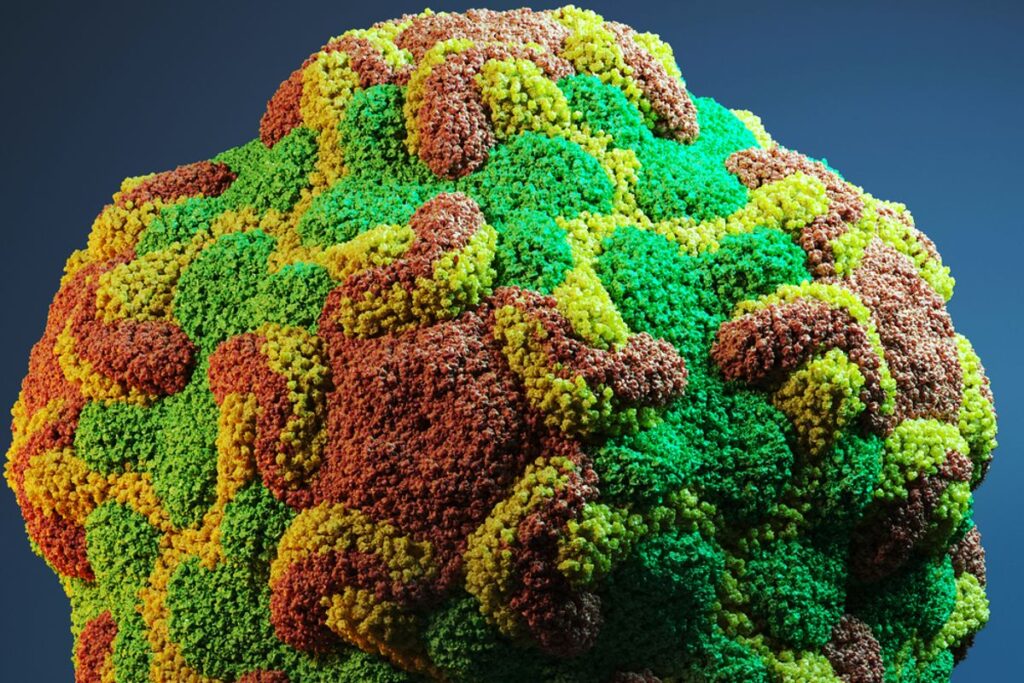
In the mid-1950s, scientist Winston Price made a groundbreaking discovery by identifying a virus responsible for the common cold, which he named the “JH virus” in honor of his employer, Johns Hopkins University. Price aimed to develop a vaccine to protect against this virus, but his efforts were ultimately unsuccessful. Today, the JH virus is recognized as a rhinovirus, one of the hundreds of pathogens that cause this ubiquitous illness. Despite decades of research, scientists remain at a standstill when it comes to finding a definitive cure for the common cold.
📰 Table of Contents
Why Isn't There a Cure for the Common Cold?
When Price first identified the JH virus, the prevailing assumption was that a viral cause indicated that a vaccine could be developed. However, Ellen F. Foxman, an associate professor of laboratory medicine and immunobiology at Yale School of Medicine, clarifies that the reality is much more complex. “There are about 15 respiratory viruses that commonly cause infections in people. Of these 15, several can cause colds. The number one is rhinovirus,” she explains. In fact, at least 170 different rhinoviruses have been documented.
Rhinoviruses account for approximately half of all cold cases, while coronaviruses—often associated with the COVID-19 pandemic—cause about a quarter of them. A study published in JAMA has shown that coronaviruses have long been implicated in the common cold, further complicating the quest for a universal solution. Other culprits include enteroviruses and human metapneumovirus, which also contribute to the seasonal affliction.
Developing a cure faces multiple hurdles. The sheer number of viruses responsible for colds is daunting, as well as the rapid mutation rate of rhinoviruses. “It mutates really fast, and it’s always changing,” Foxman notes. Creating a single vaccine capable of addressing all these variants would require an extensive number of vaccines, each subject to the possibility of further mutations.
Within the rhinovirus category alone, multiple strains can present as different entities to the human immune system. While the body’s adaptive immune system can remember past infections and develop antibodies, these antibodies may not recognize mutant viruses. As a result, an individual may experience cold symptoms while their immune system works to adapt to the new variant.
“It’s not like you won’t get infected again, but if you’ve had the virus, it will probably reduce the infectious dose you get,” Foxman adds. This suggests that prior infections can offer some level of immunity, though it does not guarantee protection against future infections.
Who Catches a Cold and Who Doesn’t?
During cold and flu season, it’s common for one person in a household to fall ill while others remain unscathed. This raises the question: why do some individuals catch colds while others do not, especially when living in close quarters? Foxman suggests that prior exposure or vaccination can play a significant role, but there are additional factors at play.
People with underlying conditions, such as asthma, are more susceptible to experiencing symptoms. Smokers also tend to be more symptomatic compared to non-smokers. The viral load, or the amount of virus one is exposed to, is another critical factor. “If you get a whole bunch of the virus in your nose, as opposed to just a little bit, that impacts who is going to win the race, your body or the virus,” Foxman explains.
To mitigate exposure and reduce viral load, individuals are encouraged to practice good hygiene, such as frequent handwashing, and to consider wearing masks during peak cold seasons. Building resilience through adequate sleep and general health can also enhance one’s ability to fend off infections.
While there is currently no vaccine available for the common cold, vaccines do exist for other respiratory illnesses, such as COVID-19, influenza, and RSV, as noted by the CDC. As research continues, the complexities of viral infections and individual immunity will remain at the forefront of public health discussions.
This article is for informational purposes only and does not offer medical advice. As ongoing research explores the intricate relationship between various viruses and our immune responses, understanding the common cold remains an essential piece of the larger puzzle in respiratory health.
Is the Vivo X300’s Zeiss Camera the Game-Changer We’ve All Been Waiting For? Unbelievable Results Inside!

Is Your Wellness Routine a Lie? Discover the Shocking ECG Tech That Reveals the Truth!

You Won't Believe the 3 Shocking Public Health Crises Set to Explode by 2026! Are You Prepared?

You Won't Believe What I Discovered About My "Middle Class" Life – 7 Shocking Truths That Changed Everything!

Alabama Seniors: Shocking $0 Medicare Benefit Cuts Coming in 2026—Are You Prepared?
You Won't Believe What Happens When Access to This Page is Denied—Shocking Consequences Inside!
You might also like: