
Why Tedros Adhanom Ghebreyesus Says Science Will Save Us—Are We Ignoring the Warning Signs?

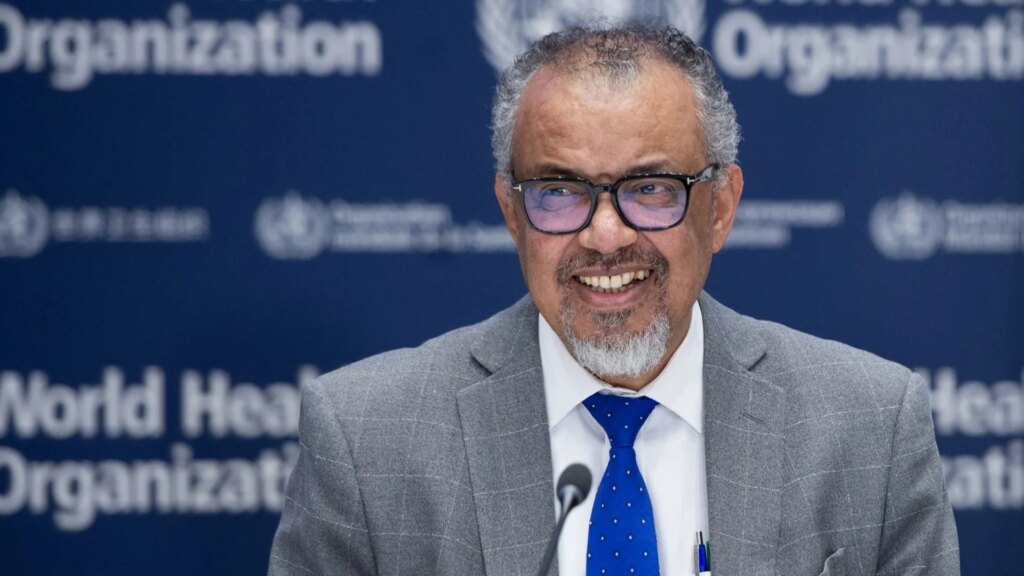
The global health landscape is experiencing profound changes, largely attributed to advancements in science and medicine. In a recent update, Tedros Adhanom Ghebreyesus, the Director General of the World Health Organization (WHO), emphasized that evidence-based scientific innovation is pivotal in achieving better health outcomes worldwide. His statements highlight significant progress made in 2025 that has the potential to transform global health.
Ghebreyesus pointed out the remarkable strides in developing new medicines and vaccines that are effectively combating diseases that were once considered insurmountable. He stated, “Evidence-based scientific innovation is driving better health outcomes around the world. New medicines and vaccines are saving lives from diseases once thought to be among the most daunting.” This underscores the critical role that ongoing research and innovation play in public health strategies.
The WHO's mission, as outlined by Ghebreyesus, is not only to celebrate these achievements but also to protect and extend the benefits of these advancements to everyone. He emphasized the commitment to "uphold and invest in science to achieve Health For All." This reflects a broader public health mandate that aims to ensure equitable access to health advancements, particularly for underserved populations.
The implications of Ghebreyesus's remarks are significant. As we witness an increase in the availability of effective treatments and vaccines, it is essential to ensure that these innovations reach all corners of the globe. Public health experts argue that achieving health equity is paramount; without it, the gains made may only serve to widen existing health disparities.
In addition, the focus on evidence-based approaches resonates with a growing trend in healthcare, where data and research play a fundamental role in shaping policies and practices. The commitment to scientific rigor not only enhances the credibility of health initiatives but also fosters trust among communities—an essential component in combating vaccine hesitancy and misinformation.
As the global health community reflects on these successes, it is essential to acknowledge the challenges that remain. In many regions, particularly low- and middle-income countries, access to these life-saving innovations can be limited. Issues such as affordability, healthcare infrastructure, and education about new treatments are all factors that can impede progress.
Moreover, investing in science and innovation is not solely the responsibility of international organizations like the WHO. Governments, private sectors, and communities must also play active roles in shaping a health landscape that prioritizes inclusivity and accessibility. This multi-faceted approach is critical in ensuring that advancements in medical science translate into real-world benefits for all individuals, regardless of their socio-economic status.
The call for a continued focus on scientific backing as a foundation for health policies invites a reflection on how innovations can be harnessed for the greater good. The potential for advancements in healthcare is immense, but they must be accompanied by steadfast commitments to equity and access. As Ghebreyesus stated, the responsibility now lies in protecting and extending the benefits of these advancements, ensuring that they contribute to a healthier future for all. The journey towards Health For All is ongoing, and it requires collective action and investment in science to pave the way for a healthier world.
Kotek's Bold Move: How One Decision Could Change Southern Oregon Forever!
You Won't Believe What Happened Behind Closed Doors—Legal Secrets No One Wants You to Know!

Unlock Hidden Wealth: This Little-Known Penny Stock Could Skyrocket 300% Overnight!

You Won't Believe the Shocking Events that Shaped Entertainment in 2025—Find Out What You Missed!

You Won't Believe Which 10 ‘House of the Week’ Features Shocked Readers in 2025! Are You Missing Out?

At 51, Nagma Reveals 5 Shocking Diet Secrets That Kept Her Fit—You Won't Believe #4!
You might also like: