
Young Australians Defy Shocking Social Media Ban—You Won't Believe How Many Are Sneaking By!

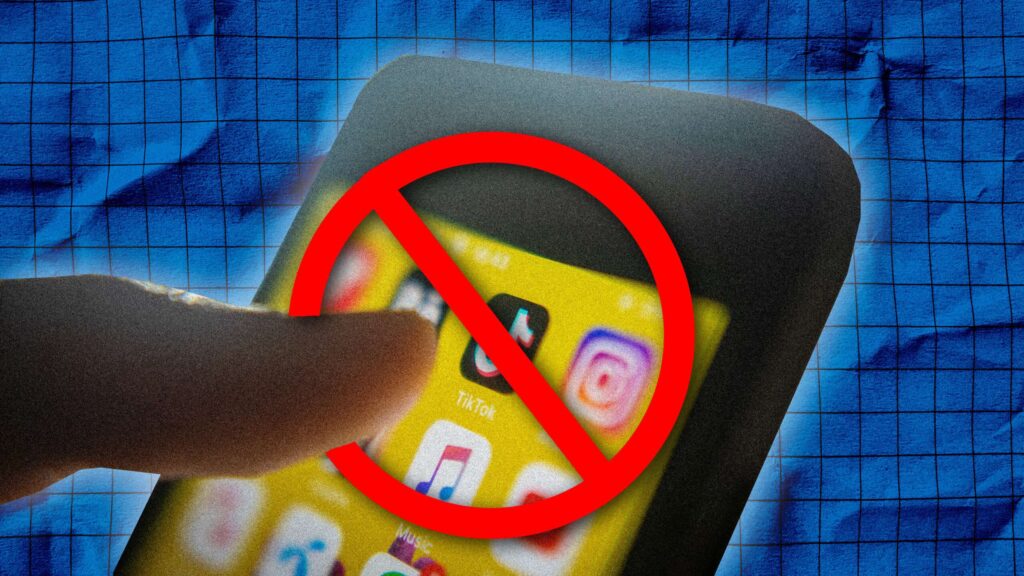
Social media has become a focal point of concern among parents, policymakers, and mental health experts, largely due to increasing evidence suggesting that young people, particularly those in Generation Z, are facing heightened levels of anxiety and mental health issues. While some of these concerns are undoubtedly valid, the prevailing narrative often overlooks the complexities surrounding youth mental health, attributing the crisis primarily to online interactions.
In Australia, the government has taken a notably aggressive stance on this issue. As of December 10, 2025, social media platforms must implement age verification systems to prevent Australians under the age of 16 from creating or maintaining accounts. Those failing to comply could face fines of up to 49.5 million Australian dollars, approximately $35.4 million. This initiative is rooted in the belief that restricting access to social media will enhance the mental well-being of young people.
However, the recent experiences in Australia reveal a significant gap between intention and reality. A poll conducted by the U.K.'s Molly Rose Foundation found that 61% of 12–15-year-olds who previously held accounts on restricted platforms continue to have access to one or more active accounts. Moreover, 70% of these children reported that it was "easy" to circumvent the ban. The data indicates that many young Australians are not only evading the restrictions but are also adept at navigating the technology designed to enforce them.
In a compliance update from Australia’s eSafety Commissioner, officials acknowledged that a "substantial proportion" of children under 16 are successfully creating and retaining social media accounts. Notably, large platforms such as Facebook, Instagram, Snapchat, TikTok, and YouTube, which were expected to enforce these regulations, are struggling to do so effectively. According to the Molly Rose Foundation, around a quarter of children using restricted platforms had successfully bypassed age checks, either by changing their claimed age or having older acquaintances create accounts on their behalf.
Interestingly, only about 5% of young Australians reported using VPN software to appear as if they are accessing the internet from outside Australia, suggesting that the enforcement of these restrictions has been largely ineffective. The implication is clear: the Australian government's approach may not yield the expected improvements in online safety for children and might even create a false sense of security for concerned parents.
The nuances surrounding the mental health of young people are further complicated by the prevailing narrative that paints social media as the primary culprit. Social psychologist Jonathan Haidt, author of the 2024 bestseller The Anxious Generation, argues that the digital environment has negatively impacted youth mental health and advocates for restrictions on minors' use of smartphones and social media. Yet, some researchers argue that the relationship between social media use and mental health is not as straightforward as it seems.
Rebecca Etkin of the Yale Child Study Center expressed skepticism about the existing research, stating, "Most studies in the past decade have focused on trying to show this very relationship between more social media use and worse mental health outcomes in teens. But interestingly, studies have generally failed to find support for this relationship." This sentiment is echoed by a paper published two years ago in the Journal of Pediatrics, which suggested that excessive social media use may be more of a symptom than a cause of declining mental health. The authors noted a decline in opportunities for children to engage in independent play and socialization as a primary factor behind rising mental health issues.
The COVID-19 pandemic has only exacerbated these challenges, as lockdowns and other restrictions deprived children of crucial social interactions. According to a 2022 report from Pew Research, experts expressed concerns that these disruptions could have lasting effects on young people's mental and emotional well-being. In many cases, children whose in-person interactions were limited turned to online platforms for connection and engagement.
As debates continue over policies aimed at protecting youth in the digital age, it is essential for policymakers to recognize that heavy-handed restrictions may not be the most effective solution. Instead, parents and guardians might consider fostering environments that encourage outdoor play and unsupervised activities, thus allowing children to develop resilience and social skills away from screens.
Ultimately, while social media undoubtedly impacts young people's lives, it is critical to take a more holistic view of the factors contributing to mental health issues. Policymakers in Australia and beyond would do well to reconsider their approaches, prioritizing genuine engagement and understanding over punitive measures, lest they risk exacerbating the very issues they aim to resolve.
Urgent: Shocking Closure of Appomattox Kidney Dialysis Center This Saturday—Patients Fear Losing Lifesaving Care!

Lionel Messi's Shocking Move: He Just Bought THIS Catalan Club—Find Out Why!

Steelers’ Shocking Day 2 NFL Draft Move: Will This Speedy DB Elevate Their Defense?

Iowa's NFL Draft 2026: Shocking Projections for Top Prospects That Could Change Everything!

iZag Radio's Shocking Move: How One Decision is Reshaping Gonzaga's Entertainment Scene Forever!

Could Bulgaria's Pro-Russian Ex-President Steal the Election? Shocking Poll Results Inside!
You might also like: