
You Won't Believe Why Trump's White House Ballroom Architect Shocked His Team—The Truth Will Leave You Stunned!

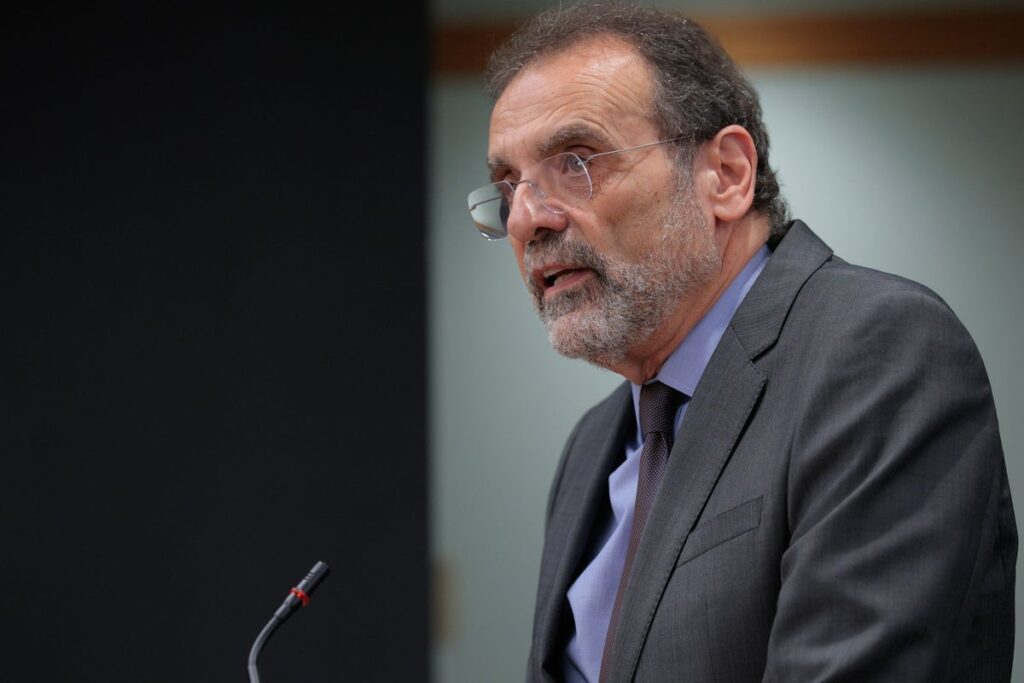
Shalom Baranes, a seasoned architect with a notable history of designing contemporary additions to federal buildings in Washington, D.C., has recently taken on a project that has left many of his colleagues perplexed. The 75-year-old architect has agreed to oversee the construction of a new ballroom at the White House, a venture that comes with its share of controversy, particularly due to his long-standing criticisms of the Trump administration's immigration policies.
Baranes, who has been a respected figure in the architectural community, is the son of Jewish Libyan refugees who immigrated to the United States when he was just six years old. His past statements highlight a deep empathy for immigrants, making his choice to work on this project even more surprising to some. In December, the Washington Biz Journal reported on Baranes's new role in the $400 million project, which aims to add a significant 90,000 square feet to the White House for state dinners and other official functions. This announcement raised eyebrows among those who have followed Baranes's career for nearly two decades.
“Why would he do this?” and “I wonder if the firm needs the business?” were common questions posed by industry insiders after the announcement. Preservationist Nancy MacWood expressed her bewilderment, stating, “I am totally baffled why he would take this on,” during an interview with the New York Times.
In a recent interview, Baranes reiterated his critical stance on the Trump administration, describing the current political climate as “heartbreaking.” He emphasized the importance of immigration to the fabric of American society, stating, “I do hope there’s a realization at some point that this country depends on immigration. We have to normalize our policies.” His history of advocating for more humane immigration policies adds a significant layer to his decision to engage with this high-profile project.
The initial architect for the ballroom, James McCrery II, stepped down, paving the way for Baranes to take over. His peers in the architectural community have been divided on his decision, with some questioning the motivations behind it. Architect David M. Schwarz, who has known Baranes since their days at the Yale School of Architecture, remarked, “I don’t understand why he would put himself in such a hot seat right now.”
Despite the skepticism, Baranes has defended his choice, albeit under a nondisclosure agreement that prohibits him from sharing specifics. He has denied any claims that his firm was in dire financial need for the job. Instead, some in the architecture community, like New York architect Richard Nash Gould—who supports Trump—believe Baranes is well-suited for the task. “If I had to pick who would do this job, it would be Shalom,” Gould said, adding that the project is “an incredibly interesting job.”
Baranes's portfolio includes significant projects around D.C., such as the renovation of the Department of Homeland Security headquarters, the Federal Reserve Building, and the American Red Cross Building. Notably, he and his firm were responsible for the renovation of the Pentagon following the devastating attacks on September 11, 2001. He referred to that endeavor as his “proudest moment” in a 2017 op-ed where he also lightly criticized Trump’s immigration policies, advocating for a temporary travel ban to allow good, hard-working individuals fleeing tyranny to find a home in the U.S.
His involvement in the new White House ballroom project signals a willingness to set aside personal beliefs for the sake of his professional journey. As the debate surrounding immigration reform continues in America, Baranes's high-profile role also reflects the complexities many face when navigating personal ethics within their professions. Whether his decision will ultimately be seen as a bold step forward or a controversial misstep remains to be seen, but it certainly raises important questions about the intersection of architecture, politics, and individual values in today's America.
Seahawks on the Brink: Shocking Maxx Crosby Trade Deal Could Change Everything – Don’t Miss Out!

Shocking Turn of Events: 8,000 Meningitis Vaccines Distributed in Kent—What You Need to Know NOW!
Why 1 in 4 Students Now Rely on School Clinics—The Shocking Truth You Can't Ignore!

Kevin Durant's Jaw-Dropping Move: How He Just Outscored Michael Jordan and Changed NBA History Forever!

You Won't Believe What Happens When a Humanoid Robot Takes on a Tennis Star! Shocking Showdown Inside!

Shocking Decision: Lee Bans Real Estate Officials with Multiple Homes—What This Means for YOU!
You might also like: