
You Won't Believe Which 10 Major Outlets Made the White House's 'Hall of Shame' for Fake News!

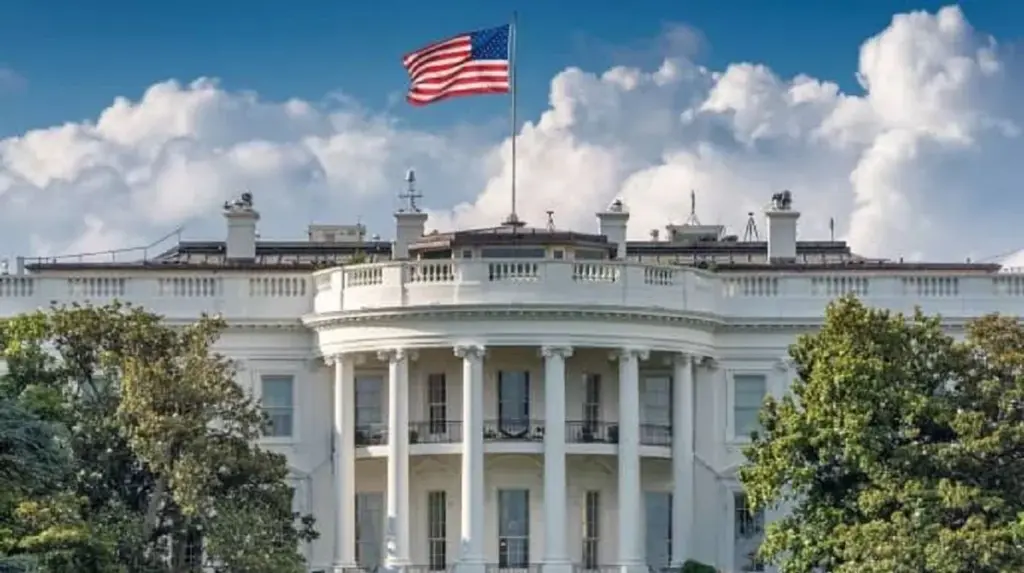
The White House has launched a controversial new initiative, creating a special section on its website that names media outlets deemed by the administration to be purveyors of misinformation. This section, dubbed the "Hall of Shame for Offenders," aims to publicly identify and expose what the administration considers "fake news." According to a report by UNN, the section features a slogan that reads: "Misleading. Biased. Exposed."
Included in this list are almost all major U.S. media organizations, including The Washington Post, CBS News, CNN, MSNBC, The New York Times, Politico, and the Associated Press. This unprecedented move raises significant questions about the relationship between the government and the press, as well as the ongoing debate over media credibility in the United States.
The White House has indicated plans to identify a "leader" of this list each week, effectively spotlighting specific outlets for what they perceive as misinformation. This strategy appears aimed at galvanizing supporters who feel disenfranchised by mainstream media narratives while also challenging the accountability of these news organizations.
Recent statements from President Donald Trump further illustrate the administration's contentious stance toward the press. In a notable outburst, he labeled The New York Times as an "enemy of the people," targeting a female journalist by calling her "ugly both inside and out" in response to an article covering his perceived aging in office. This incident exemplifies the escalating tension between the Trump administration and what it views as biased reporting.
The implications of this new "Hall of Shame" are profound. For one, it could embolden supporters who align with the administration's narrative while alienating those who value journalistic integrity and objectivity. Critics warn that such a move could undermine the foundational principles of a free press, an essential component of American democracy. By publicly shaming named outlets, the administration risks fostering a divisive atmosphere where media criticism could escalate into hostility.
This initiative also raises concerns about the government's role in defining what constitutes "fake news." The designation is inherently subjective, leaving room for accusations of bias and manipulation. As the administration plans to name a weekly "leader" of misinformation, the potential for politicization in determining media credibility becomes an increasingly pressing issue.
American readers face a significant challenge in navigating this evolving landscape of information. With the current polarization in media consumption, many individuals may find themselves gravitating toward sources that reinforce their existing beliefs rather than engaging with diverse viewpoints. This trend could further entrench divisions within the electorate and impede constructive dialogue on pressing national issues.
As this situation unfolds, it is crucial for citizens to remain vigilant about media literacy, ensuring they consume news from a variety of perspectives. Understanding the motivations behind such initiatives is vital for evaluating the reliability of the information being presented. The ongoing battle over media credibility illustrates a broader struggle for power and influence in shaping public perception and discourse.
In summary, the White House's "Hall of Shame for Offenders" signifies a bold and controversial approach to confronting media narratives that the administration deems misleading. With the inclusion of major news organizations and the promise of weekly targets, this initiative not only challenges the media's role in American society but also invites deeper reflection on the ways in which we engage with news and information. As the relationship between the government and the press continues to evolve, the commitment to truth and transparency remains paramount for the health of American democracy.
How 5 Israeli Startups Are About to Revolutionize Emergency Response—You Won’t Believe What They’ve Discovered!
Unlock $100 Into a Fortune: The Tech ETF Experts Are Raving About—Don't Miss Out!

Honduran Candidate Claims Trump’s Election Interference Could Flip the Vote—What’s at Stake?

Unlock the Secret: How Just 5 Minutes of This ‘Exercise Snack’ Can Add YEARS to Your Life After 65!

S&P 500 Set to Skyrocket to 8000 Next Year—Are You Prepared to Miss Out?

Is This the Year the Texas Longhorns Shock Everyone and Steal a Playoff Spot? Find Out Why!
You might also like: