
You Won't Believe What This NorCal Seaweed is Doing to Your Favorite Snacks! 7 Shocking Benefits Revealed!

In recent years, the foodie movement has popularized a variety of so-called superfoods—cacao, maca, spirulina, matcha, and moringa, to name a few. Yet, amid this culinary renaissance, one *superfood* remains relatively underappreciated in mainstream American grocery stores: seaweed. While it’s a staple in sushi restaurants and upscale dining, seaweed is slowly emerging as a versatile ingredient that not only contributes to culinary innovation but also promotes sustainability. With the California coast teeming with wild seaweed, local entrepreneurs and chefs are beginning to harness its potential for everything from snacks to cocktails.
One notable player in this movement is Salt Point Seaweed, founded in 2017 by three women—Tessa Emmer, Catherine O'Hare, and Avery Resor—who share a passion for sustainable agriculture and local ingredients. As they harvest wild varieties like kombu, wakame, and nori along the Mendocino coast, they remain committed to environmentally responsible practices. In fact, they only cut what they need from the plants to ensure the seaweed can regrow. This careful approach not only maintains the ecosystem but also raises awareness of the importance of local sourcing, which is critical when considering the challenges of tracing water quality in imported seaweed products.
After harvesting, the seaweed is dried using solar dehydration and packaged as flakes or snacks. The women also recognize that many Americans lack experience in cooking with seaweed. To bridge this gap, they include recipes with their products, such as flourless nori sesame brownies, encouraging consumers to explore this flavorful ingredient in new ways.
Salt Point Seaweed products are available in various Bay Area locales, including Bi-Rite in San Francisco and Palace Market in Point Reyes Station, in addition to their online store. As O'Hare notes, "Kelps inspired the man who came up with MSG," highlighting seaweed's rich umami flavors. Their product offerings include unique snacks like the Surf Snack—nori and wakame baked with seeds and maple syrup—demonstrating the culinary versatility of this often-overlooked ingredient.
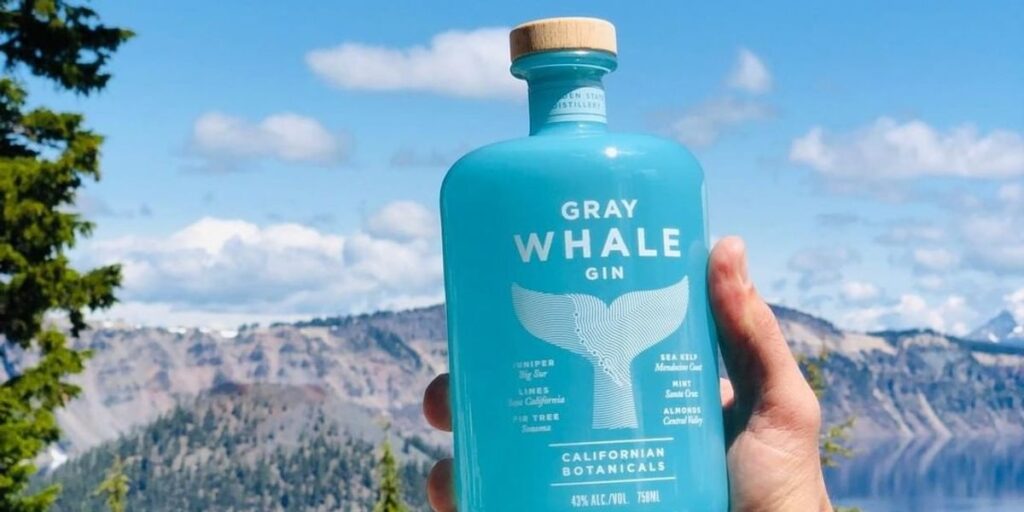
But seaweed's potential doesn't stop at snacks. It’s making waves in the spirits industry as well. Enter Gray Whale Gin, a local gin infused with kombu that captures the essence of the California coast. The gin's founders, Marsh and Jan Mokhtari, were inspired during a camping trip in Big Sur in 2014 when they witnessed a gray whale and calf migrating along the coast. "We wanted to encapsulate the flavor of that crazy journey," Marsh recalls. To achieve this, they sourced botanicals from along the whale’s migration route, including juniper from Big Sur and limes from Baja.
Finding the right seaweed proved to be a complex task, with multiple attempts to incorporate different varieties. Ultimately, they settled on kombu from Mendocino County, which adds a distinct umami flavor to the gin. Since launching in 2018, Gray Whale Gin has produced only seven batches, about 6,000 bottles each, and has won awards at the San Francisco World Spirits Competition in both 2018 and 2019.
Beyond just the taste, the Mokhtaris have also focused on sustainability. The gin’s distinctive blue bottles mirror the color of their VW camper van, and are decorated with organic paint. A portion of their sales benefits Oceana, an organization dedicated to ocean conservation, reflecting their commitment to environmental responsibility.
Seaweed's versatility is further showcased in various Californian establishments. At the luxurious Terranea Resort in Rancho Palos Verdes, Executive Chef Bernard Ibarra kayaks out to harvest kelp, which is dried at the hotel to create flavorful sea salts. These salts are not only used in dishes but also offered in bundles for guests to take home. Similarly, the Nob Hill Spa in San Francisco incorporates seaweed in its skin treatments, emphasizing its long-standing role in skincare. Additionally, innovative cocktails, like the Sea Gibson at Gibson in the Tenderloin, highlight nori gin and pickled sea beans, introducing guests to the application of seaweed in mixology.
As awareness around healthy eating and sustainability continues to grow, seaweed is poised to capture the attention of more consumers. Local companies like Salt Point Seaweed and Gray Whale Gin are not just products; they represent a movement towards a more sustainable food system that truly celebrates the bounty of the California coast. As they pave the way for greater acceptance of this nutritional powerhouse, the culinary landscape of America may soon see seaweed taking its rightful place among the superfoods we cherish.
Motorola's Leaked Specs Will SHOCK You – Is This the Phone That Could Change Everything?

Gold & Silver Soar to Shocking New Heights—Is Bitcoin’s Slide the Start of a Major Collapse?

Revealed: 7 Shocking Snacks That Could Cut Your Cholesterol in Half Overnight!

9 AI Cybersecurity Startups You NEED to Know About – One Could Save Your Business from Disaster!

Luxury Train Cars Are Coming to the Bay Area—You Won't Believe What They Cost!

White House Spokeswoman Karoline Leavitt Shocks Nation with Surprising Pregnancy Announcement! What’s Next?
You might also like: