
You Won't Believe What This Dentist Discovered About Your Snacking Habit: 3 Shocking Consequences!

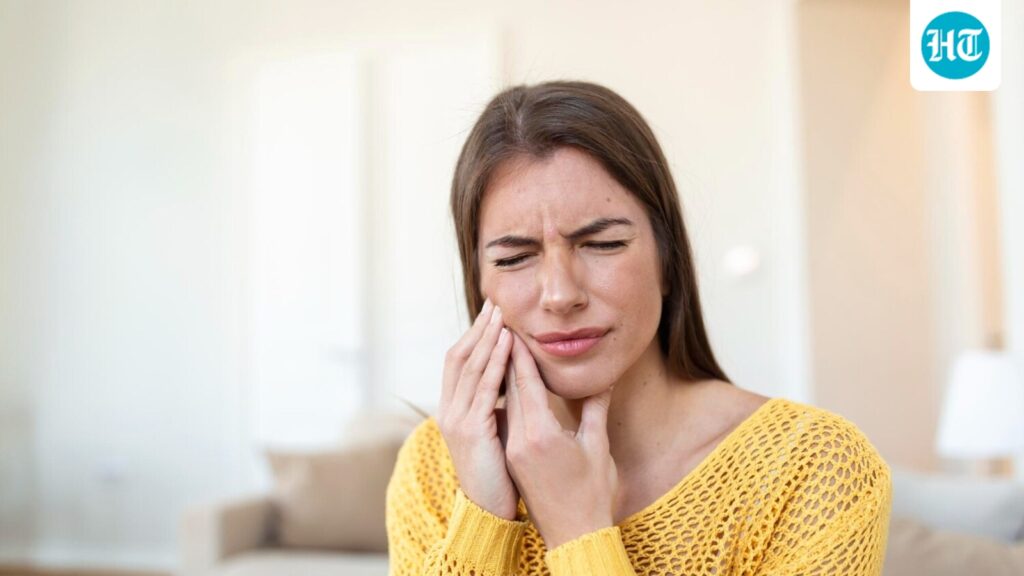
Many Americans have a habit of snacking throughout the day, but a growing body of evidence suggests that this seemingly innocuous behavior can pose significant risks to dental health. Even those who brush their teeth twice a day may find their oral health compromised due to the frequency and nature of their snacking. Dr. Nikita Motwani, a specialist in aesthetic dentistry and co-founder of Smile Concepts Multi-speciality Dental Clinic, sheds light on why constant snacking could lead to serious dental issues.
Dr. Motwani highlights a concerning trend in her clinical practice: "As a general dentist, I see this constantly with many of my patients who practice proper brushing but still have cavities due to the timing and contents of their snacking.” This revelation emphasizes that merely brushing your teeth may not be sufficient to counteract the effects of frequent snacking, especially if those snacks are high in sugar or starch.
📰 Table of Contents
Understanding the Risks of Snacking
Every time you consume food or drink that is rich in sugar or starch, oral bacteria convert these substances into acids. Dr. Motwani explains, "This acid has a corrosive effect on enamel, lowers the pH of what is considered normal for the mouth, and this causes an acid attack, which lasts for twenty to thirty minutes after you eat or drink something." This acid attack can have lasting repercussions on your teeth, making frequent snacking a significant risk factor for cavities.
Interestingly, it’s not just the amount of sugar in snacks that matters, but also the frequency with which they are consumed. "It is the frequency of snacking, more than how much sugar is in each food item, that is more responsible for tooth decay," warns Dr. Motwani. Many people adopt a "grazing" lifestyle, where they continuously snack on items like biscuits, dry fruits, and coffee, leaving their teeth exposed to acid attacks for extended periods.
The long-lasting acidity in the mouth prevents saliva from adequately repairing enamel, which raises the risk of cavities significantly. To mitigate these risks, Dr. Motwani recommends having scheduled meals rather than constant snacking, allowing your teeth the necessary recovery time between eating sessions.
Teeth-Friendly Snack Alternatives
Not all snacks are created equal when it comes to dental health. Some popular snacks can be particularly harmful if consumed regularly. Dr. Motwani lists several types of snacks that should be approached with caution:
- Sticky dry fruits: Items like raisins, dates, and energy bars can cling to your teeth, remaining trapped and promoting cavity growth.
- Indian namkeen and chips: These snacks break down into sugars, and their fine crumbs can easily get lodged in the grooves of your teeth.
- Granola and energy bars: Many commercial versions are loaded with hidden sugars, often containing significant amounts of honey or syrup.
- Fruit juices, smoothies, and coconut water: These beverages can be high in natural sugars and acids, compounding the risk to your teeth.
- Masala chai and cold coffee: Regularly consuming these beverages, especially with added sugars, can lead to multiple acid attacks over time. For instance, drinking one cup of coffee over an hour results in four to five separate acid attacks.
As Dr. Motwani's insights reveal, snacking can be more hazardous to dental health than many realize. While it’s often seen as a harmless indulgence, the reality is that frequent snacking can initiate a cycle of acid attacks that ultimately harm teeth. By being more mindful of snacking habits and opting for teeth-friendly alternatives, individuals can take proactive steps to safeguard their dental health.
Note to readers: This article is for informational purposes only and not a substitute for professional medical advice. Always seek the advice of your doctor with any questions about a medical condition.
You Won't Believe the Shocking Prices of Homes Sold in Onondaga School District – November 2025 Revealed!

DFI Retail Group Just Announced a Shocking Dividend Boost – Are You Missing Out? Find Out Now!

Trump's Shocking Appearance at Mount Airy Casino: What He's Revealing Could Change Everything!

You Won't Believe What Shocking Tech Innovations Transformed Smartphones in 2025—#3 Will Leave You Speechless!

Sean Payton's SHOCKING Take on Riley Moss' Penalties: Is the Broncos' Future at Risk?

Is Fashion's 2030 Climate Goal a Dream or a Distant Nightmare? Shocking Truth Revealed!
You might also like: