
You Won’t Believe What Judge Just Did to Trump’s Bid Against Whistleblower Lawyer!

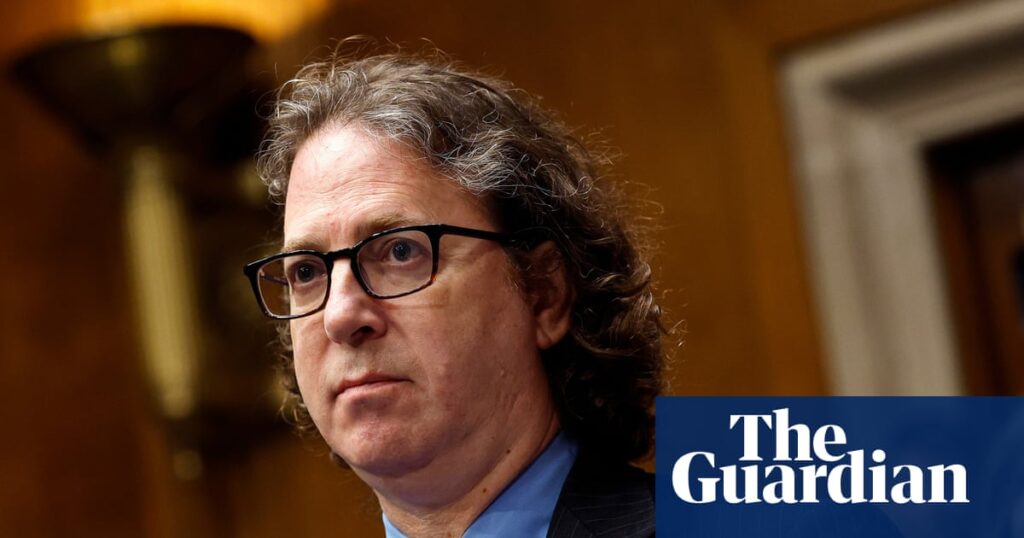
Mark Zaid, an attorney known for his work on national security cases, has regained his security clearance after a federal judge's ruling. This development follows the revocation of Zaid's clearance by the Donald Trump administration in March, a move he termed as “improper political retribution.” In a significant turn of events, Zaid announced on Monday that the memorandum revoking his access to classified information is “no longer in effect,” allowing him to resume his work involving confidential material.
Zaid's security clearance was initially revoked as part of a memo that listed individuals deemed opponents by the Trump administration, which included figures like former President Joe Biden, Vice President Kamala Harris, and former Secretary of State Antony Blinken. This action raised questions about the administration's motivations, especially considering Zaid's notable history of representing whistleblowers, including one linked to Trump's first impeachment centered around a phone call with Ukrainian President Volodymyr Zelenskyy.
The legal battle began when Zaid filed a lawsuit against the administration in May, arguing that the revocation of his clearance not only hampered his ability to serve his clients but also posed risks of political retribution against him. On December 23, U.S. District Judge Amir H. Ali granted Zaid a preliminary injunction, stating that the administration's actions were unjustified and that he had not received the fair process afforded to others in similar positions. The judge concluded that the decision to revoke Zaid’s clearance was primarily due to his representation of clients, particularly whistleblowers, who could be adverse to the government.
“Based on the preliminary injunction record, the court finds that Zaid’s representation of whistleblowers and other clients adverse to the government was the sole reason for summarily revoking his security clearance,” Judge Ali noted in his ruling.
In his July interview with the Guardian, Zaid expressed confusion over why he was placed on the list of individuals whose access was revoked, stating, “I have no idea why my name appeared on the March list. The action against me, I get. It’s perfectly consistent with what I expected from him and his administration, but to have me included on that list and the order of our names, why?” His name was placed fourth on the list, a position that seemed to underscore his controversial standing with the administration.
The White House, in its memo, stated that it was “no longer in the national interest” for individuals named to have access to classified information, a statement that many critics interpreted as a politically motivated maneuver. Zaid’s reinstated clearance allows him to represent current and future clients in matters requiring access to classified information, thus restoring his professional capabilities significantly diminished since March.
Zaid's case raises larger questions about the politicization of security clearances and the implications for attorneys and other professionals working in national security. As cases involving whistleblowers and government accountability continue to unfold, Zaid's situation exemplifies the volatility faced by those who challenge government actions or policies.
As of Monday evening, Zaid took to social media platform X to confirm the restoration of his clearance, a development that empowers him once again in his legal endeavors. The White House has yet to respond to requests for comment on this latest ruling.
This change not only affects Zaid but also reflects broader tensions in the intersection of law, politics, and national security. With the legal landscape continually evolving, Zaid's case may serve as a touchstone for future discussions on the rights of legal professionals working within the realm of government and classified information.
You Won’t Believe Which 5 College Football Stars Played for Two Teams in the National Championship!

Pediatricians vs. RFK Jr.: Why This Vaccine Battle Could Change Your Child's Future Forever!

Pemberton and Advisory Realty’s Shocking Merger: What This Means for Minnesota’s Real Estate Market!
You Won't Believe What Anchorage Assembly Candidates Are Hiding — Will Your Vote Matter in 2026?

Buncombe County's Shocking Vaccine Rates: Are Your Kids at Risk for Measles? Find Out Now!

You Won't Believe What's Inside St. Pete's Massive New 50,000-Sq-Ft Athletic Center!
You might also like: