
You Won't Believe What Happens When You Settle for That Cheap Smartphone—Is It Worth the Risk?

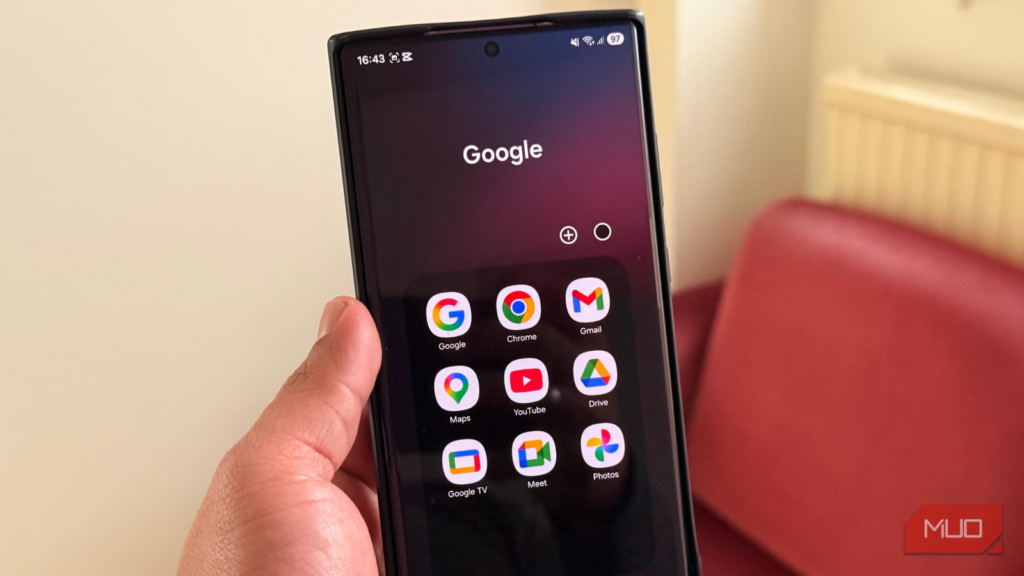
If you've ever found yourself shopping for a new smartphone, you might recognize that familiar tug of war between budget and features. The allure of the base model, often hundreds of dollars cheaper, can be tempting. With seemingly similar specifications, it's easy to tell yourself, "I can always store photos on my PC," and opt for the lower-tier option. You feel savvy for saving money, but fast forward a year, and that initial decision may come back to haunt you.
Many consumers experience this first-hand: phones which once felt sufficient become storage-constrained and sluggish as new software updates roll out. The cool new AI features that seemed so enticing when you purchased your phone? They just don’t perform as well on the lower end of the spectrum. This situation isn't merely coincidental; it's a calculated strategy employed by smartphone manufacturers to steer you towards the mid-range model—a tactic referred to as the "Goldilocks Effect."
📰 Table of Contents
The Psychology Behind Smartphone Pricing
The Goldilocks Effect refers to the phenomenon where people gravitate towards the middle option when presented with three choices. Companies are well aware of this psychological trick and often design their product lineups to make the middle tier seem like the most attractive option. For instance, Apple meticulously structures its iPhone pricing, leveraging this effect to encourage consumers to choose models that may be only a slight step up from the base model—but offer significantly better functionality.
This pricing strategy extends beyond smartphones. Consumer behaviors in various sectors, from fast food to cloud storage, follow a similar pattern. For example, the introduction of a premium microwave by Panasonic in 1992 helped capture a staggering 60% market share for its mid-tier model. Companies utilize these pricing structures not just to enhance sales but to create a perception of value, even if the lower-tier models primarily exist to make the mid-range options appear more desirable.
The Shrinking Base Model
In 2026, the definition of what constitutes a "base" model seems to be shifting downward, with many brands reverting to models that offer reduced capabilities. The current trend shows base models often starting at just 4GB of RAM, such as the Moto G, moving backward from recent advancements. As manufacturers like Samsung, SK Hynix, and Micron prioritize high-bandwidth memory for more profitable AI servers, the consumer smartphone market takes a backseat.
Moreover, marketing strategies have begun emphasizing virtual RAM, misleading consumers into believing that inflated specs result in better performance. However, it is crucial to note that physical RAM is what truly matters for real-world usability.
The Storage Drain of AI
The issue of storage is exacerbated by the increasing demands of AI features. For example, Apple's latest operating system, iOS 18, consumes around 6% of the base model iPhone's 128GB storage just for its own functionality. That's before you even start taking photos or downloading apps. As generative AI continues to evolve, on-device features will only require more space, making the limitations of base models increasingly apparent.
For Android users, the threshold for running on-device AI capabilities is around 8GB of RAM, with 12GB to 16GB offering significant advantages for advanced features. If you're eyeing generative AI functionalities, it becomes clear that purchasing a base model severely restricts your capabilities.
The Long-Term Costs of Choosing the Base Model
Most smartphone users retain their devices for three to four years. During that time, operating system updates become larger, apps expand in size, and AI features consume more resources. What starts as a "good enough" base model often turns into a bottleneck as time passes. Typically, the price difference between the base model and the next tier is only $100 to $200. Spread out over multiple years, that savings can amount to just a few dollars per month—essentially a negligible amount considering the frustrations that come with limited storage and performance.
Even Apple is recognizing this trend, launching the iPhone 17 with a minimum of 256GB of storage, signaling that base models with significantly less are becoming less viable over time.
In conclusion, when you're out shopping for your next smartphone, it’s essential to resist the lure of the base model. The perceived savings are often a trap, leading to unexpected costs in terms of storage solutions, cloud subscription fees, and the frustration of a device that can't keep up with its promises. While the middle tier may feel like a compromise, it often offers the best value for your investment, ensuring that your smartphone remains capable and relevant for years to come.
Teen's Shocking Video Sparks Felony Charge—Is This the New Face of Danger Online?
You Won't Believe What Happens When Your Request Gets Denied - Shocking Consequences Revealed!

Shocking MITRE HR Lawsuits Unveil Disturbing Truth About Vaccine Exemptions – What Are They Hiding?
Access Denied? Discover the Shocking Truth Behind This Mysterious Page—What They Don't Want You to Know!
You Won't Believe These 7 Foods That Instantly Boost Your Mood—Find Out What You're Missing!

Why Rep. Wozniak’s Shocking Health Care Proposal Could Change Everything—Are You Prepared?
You might also like: