
You Won't Believe What Happens to the Everglades After 25 Years of Climate Struggles!

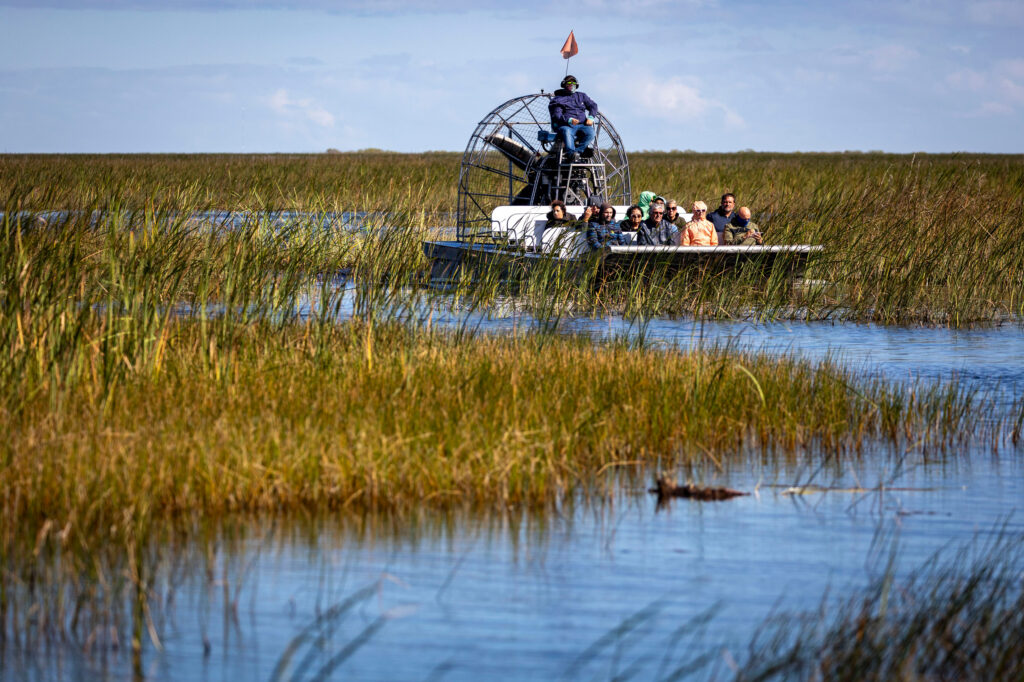
As the global climate crisis accelerates, the Florida Everglades stand as a beacon of hope, witnessing an unprecedented restoration effort that spans a quarter-century. The scope of the Comprehensive Everglades Restoration Plan (CERP), a monumental $27 billion initiative, is not only ambitious but also critical to the ecological and economic future of one of the nation's most unique ecosystems.
Located on a low-lying peninsula, the Everglades face grave threats from rising sea levels and increasingly fierce hurricanes. This essential ecosystem, which houses over 70 endangered species and covers an expansive 18,000 square miles, is experiencing some of the most extreme climate impacts on Earth. The urgency for restoration is underscored by the reality that every day, approximately 1.7 billion gallons of freshwater that once nourished the Everglades is diverted through a network of canals into the ocean, far exceeding the daily water consumption of South Florida.
Historically, Florida's relentless efforts to drain the Everglades have facilitated development and agriculture but have come at a severe cost. Nutrient pollution from extensive sugarcane farming exacerbates the degradation of this vital watershed, leading to toxic algae blooms that threaten both wildlife and human health. The restoration effort aims to rectify this, with a focus on recapturing this freshwater to ensure a sustainable drinking supply for the region’s rapidly growing population.
The centerpiece of CERP is a massive new reservoir, the largest ever constructed by the U.S. Army Corps of Engineers, located among the agricultural fields south of Lake Okeechobee. Once completed, this $3.5 billion reservoir will reconnect the lake with the sawgrass marshes to its south, enabling a more natural flow of water that is essential for revitalizing the Everglades’ ecosystem.
“You can’t have a failure of imagination when you’re trying to address these issues,” says Shannon Estenoz, chief policy officer at the Everglades Foundation. She emphasizes that infrastructure must evolve to meet the changing needs of the ecosystem, underscoring the dynamic nature of restoration efforts.
Launched with great fanfare in December 2000 under former President Bill Clinton, CERP has made significant strides over the past 25 years. Projects have included backfilling hundreds of miles of canals, creating new reservoirs, and dismantling outdated water control structures that once fragmented natural water flows. The restoration aims to create a more cohesive hydrological system, allowing water to flow more freely through the sawgrass marshes that give the Everglades its name as the "river of grass."
However, challenges persist. Rising temperatures and sea levels continue to threaten the area, adding urgency to the restoration efforts. Tom Van Lent, senior scientist at Friends of the Everglades, emphasizes the necessity of this work: “If we don’t move on Everglades restoration, we’re not going to be able to address the issues and risks facing the built environment.”
The Everglades’ unique hydrology has been significantly altered, resembling a series of fragmented reservoirs rather than a continuous river system. Nutrient pollution has transformed once-thriving habitats into areas dominated by less desirable cattails, indicating a shift in the ecosystem’s balance. Restoration projects aim to address these problems by carefully managing water levels and ensuring that freshwater flows are directed where they are most needed.
Despite setbacks due to funding and bureaucratic delays, recent federal and state investments have catalyzed progress. According to a 2024 report from the National Academies of Sciences, Engineering, and Medicine, numerous projects are either completed or underway, signaling a renewed momentum in the restoration efforts. Increased water flows into critical areas like the northeast Shark River Slough mark significant improvements in the ecosystem's hydrology.
But the success of these projects hinges on maintaining water quality. The introduction of the Water Quality-Based Effluent Limitation (WQBEL) is a new standard aimed at reducing phosphorus pollution, a significant contributor to the ecosystem’s degradation. Compliance with this standard is essential for the full operation of the new reservoir, which is projected to supply around 370,000 acre-feet of "new" freshwater upon completion in 2029.
Despite recent advancements, skepticism remains regarding whether the ambitious goals of CERP can be met without compromising the integrity of the Everglades. Environmental advocates warn that inadequate attention to water quality could jeopardize the entire restoration initiative. "No Everglades restoration is possible without clean water," says Eve Samples, executive director of Friends of the Everglades.
As South Florida grapples with population growth and intensifying climate impacts, the Everglades restoration will become increasingly vital. This monumental effort represents not just an investment in preserving a unique ecosystem, but a necessary step towards securing the future of the region’s natural resources and the communities that depend on them.
In the coming years, the challenges will only multiply. The looming question remains, what comes after CERP? Addressing the broader issues of climate adaptation, ecological restoration, and sustainable resource management will be essential as the region faces an uncertain future. “How do we supply enough water to everybody? How do we maintain and improve the ecological function of the Everglades?” asks Van Lent, highlighting the need for an ongoing commitment to safeguard this precious resource for future generations.
Instagram's Shocking Warning: Are AI-Generated Posts Set to Take Over Your Feed? Find Out Why!

Uncover the Shocking Secret Workout That Transformed 10,000 Lives—Can Your Abs Handle It?

You Won't Believe These 7 Jaw-Dropping Lower Merion Homes – The Arch is Back, But Why Now?

10 Shocking Healthy Snacks Your Kids Will Actually Beg For—#4 Will Blow Their Minds!

You Won't Believe What the Union Must Do This Year to Survive the Intense Soccer Showdown!

South Korea’s Exports Skyrocket by 200% in 2025! What’s Behind This Jaw-Dropping AI Boom?
You might also like: