
You Won’t Believe What Climate Change Is Doing to Victoria’s January Blossoms—Find Out Now!

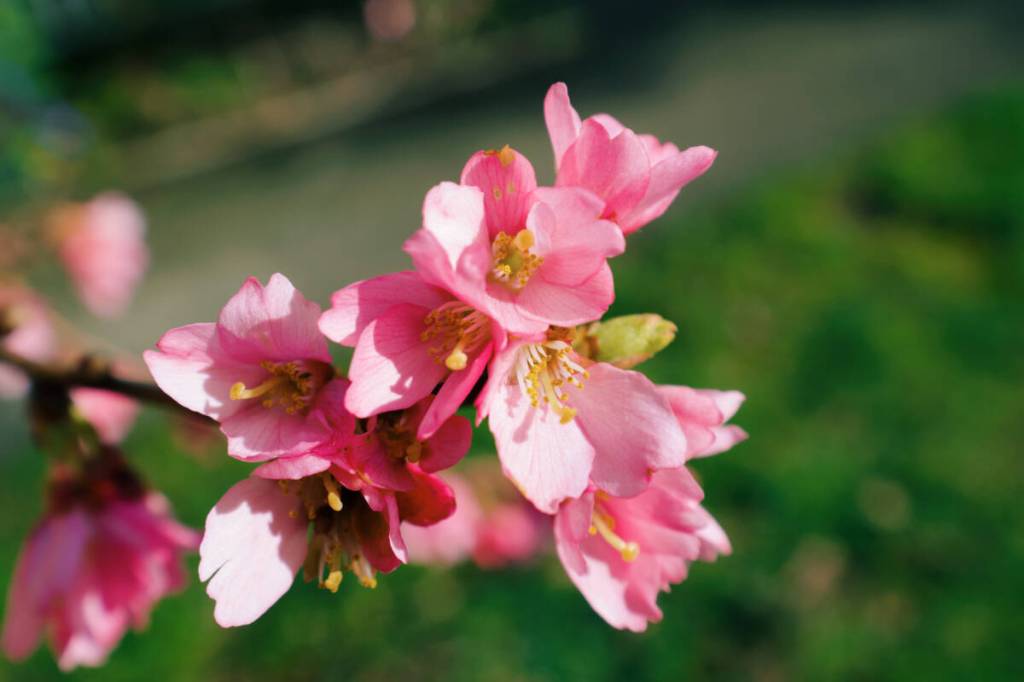
In a striking development this January, the city of Victoria, British Columbia, has experienced an unusual early blooming season that has both delighted and concerned local residents. While the city's mild climate has long been a point of pride, this year's blossoms, appearing in significant volumes well before spring, have raised questions among experts about the underlying causes, primarily pointing to climate change.
Avid walkers and nature enthusiasts in and around B.C.’s capital have started sharing pictures on social media of blossoms emerging as early as late December. However, Andrew Weaver, a professor at the University of Victoria’s School of Earth and Ocean Sciences, highlights that this phenomenon might not be a cause for celebration. He attributes the early blooms to climate change—specifically, the effects of global warming that are altering seasonal weather patterns.
“This is exactly what we would expect with a warming world, and we’re just seeing a manifestation this year that’s coming out in terms of blossoms and flowers,” Weaver explained.
Weaver elaborates that the ongoing trend of warmer winters, observed over the past 40 years, is no coincidence. He notes that while not every year will reflect consistent warming—explaining that "there’s still lots of wiggles" in yearly temperatures—the overall trend indicates an increasing likelihood of warmer winters, which can disrupt natural cycles in flora and fauna.
This year, the occurrence of early blooms is particularly noteworthy given that it is a La Niña year, which typically brings cooler winter temperatures to the region. Weaver's observations extend beyond flowers; he has also noted shifts in bird migration patterns, suggesting that the entire ecosystem is adjusting to rapidly changing climates.
“The rate of change is so fast that this puts stress on many ecosystems, which is why we’re seeing the demise of corals and many species are struggling to maintain themselves in the changing climate,” Weaver added.
Barbara Hawkins, another professor at the University of Victoria, further explains how the warmer temperatures influence the blooming process specifically for plum trees, known for being among the earliest bloomers. Normally, these trees enter a dormant state in winter, becoming more resilient to cold temperatures. However, the unseasonably warm weather has disrupted this cycle.
“Because we haven’t had any winter cold, and we’ve had all this nice warm weather above probably 5 degrees or so, they accumulate heat, and then they flush,” Hawkins noted.
Yet, Hawkins warns that early blooming can have dire consequences. If trees de-harden too quickly and a late frost occurs, the delicate new growth could be damaged, possibly leading to long-term harm to the plants as they expend energy to regenerate.
“If it happens over and over again, then eventually they would die because it uses a lot of reserves to kill off all the growth and then make some new growth,” Hawkins cautioned.
Interestingly, some residents have pointed out that specific varieties of plum and cherry trees have historically bloomed early in Victoria, suggesting some familiarity with the phenomenon. Longtime observer Susanne Deacon mentioned that she has been photographing winter blooms for over 40 years and noted certain trees tend to bloom early regardless of the winter conditions.
“These are different from the other varieties that bloom in February, March, and April,” agreed fellow local Steven Murray.
As communities in Victoria celebrate their unique natural beauty, the early blossoms serve as a poignant reminder of the profound impact of climate change. While the sight of vibrant flowers in January may evoke joy, it also presents a critical moment for reflection on the changing climate and its implications for ecosystems and communities alike. As experts like Weaver and Hawkins underscore, understanding these changes is essential for mitigating future environmental impacts and ensuring the health of local flora and fauna.
TikTok's Shocking New Age Verification: Are Your Kids Safe? You Won't Believe What Happens Next!

Gap's Bold Move: Why This Entertainment Exec's Appointment Could Change Everything! Under Armour's Shocking C-Suite Shakeup Revealed!

Prepare to Pay Up! The Shocking Truth Behind Your Next Smartphone's Price Surge—You Won't Believe Why!
Is Victoria’s January Blossoming a Climate Change Emergency? Experts Reveal Shocking Truth!

Nick Fuentes EXPOSES shocking truths about social media's hidden agenda—Are YOU being manipulated?

You Won't Believe How A&E Real Estate Just Cost This City $2.1 Million – Find Out Why!
You might also like: