
You Won't Believe These 8 Everyday Items Are Secretly Turning You Into a Hoarder!


Does your garage resemble a nostalgic museum of your past life? When was the last time you cracked open that box marked "miscellaneous" in your attic? Many of us are grappling with the fine line between sentimentality and outright hoarding, holding onto items that no longer serve a purpose in our lives. It’s a common struggle, often exacerbated by memories and emotions attached to our belongings.
Reflecting on my own journey, I realized my hoarding tendencies when I helped my aging parents downsize their home. As we sifted through decades of accumulated items, I stumbled upon my old report cards, nestled in protective sleeves. This experience jolted me into confronting my own future if I didn’t shift my relationship with material possessions. If you, too, have kept any of these eight categories of items for over a decade, it might be time for a honest self-examination.
Items to Consider Letting Go
1) Clothes that haven't fit in years: Perhaps you have that pair of jeans from college or the dress from your friend’s wedding fifteen years ago. Keeping these clothes often reflects a reluctance to accept your current self. Every glance at those items can perpetuate feelings of failure rather than motivate you to change. I personally held onto a leather jacket for twelve years, telling myself I'd fit into it one day. Once I donated it, I felt an immediate relief, freeing up space—both physically and emotionally.
2) Old electronics and cables: Many of us have a drawer filled with tangled cables, outdated phones, and chargers for devices we no longer own. The reality is that technology evolves rapidly. Holding onto obsolete electronics is akin to preserving a horse saddle when you drive a car. My own experience during my parents’ downsizing revealed three boxes of cables, many of which were unrecognizable, leading me to confront my own cluttered cable drawer.
3) Expired medications and toiletries: Take a moment to check your medicine cabinet. How many bottles have expiration dates dating back to the Obama administration? Keeping expired medications is not only futile but can also be dangerous. That sunscreen from 2012 or those antibiotics from a long-gone wisdom tooth extraction need to go, as expired medications can lose effectiveness or even become harmful.
4) College textbooks and old notebooks: Unless you're actively referring back to your Introduction to Psychology textbook, it might be time to recycle it. Recently, I unearthed my own college journals, which served as a painful reminder of the expectations I had placed on myself. I managed to retain three meaningful notebooks while recycling the rest, realizing that old textbooks are merely dust collectors.
5) Broken items you swear you'll fix: The lamp with the broken switch, the chair with the wobbly leg, or the blender that only operates if you hold the button just right—these items often accumulate with good intentions. However, if they haven’t been important enough to repair in years, it’s worth questioning their place in your life.
6) Gifts you never liked: This can be a hard category, filled with guilt. An ugly vase from your aunt or a kitchen gadget from a well-meaning friend may clutter your space. Remember, these gifts served their purpose when given. You don’t need to keep them forever to honor the gesture. I once had an entire cupboard filled with unused gifts; letting them go allowed me to reclaim my space and my sense of self.
7) Old hobby supplies from abandoned interests: Whether it’s scrapbooking materials from 2011 or a yoga mat from a brief phase in 2009, holding onto these items often signifies an unwillingness to accept change. Interests evolve, and that’s okay. Clinging to these remnants only serves as a reminder of unfulfilled ambitions.
8) Paper documents you can access digitally: Many of us keep unnecessary paperwork, from bank statements to appliance manuals for items we've long discarded. With digital record-keeping available, cluttering your space with outdated documents is no longer necessary. I found that transitioning to digital records freed up an entire cabinet space for items that genuinely contribute to my life today.
If you resonate with several of these categories, know you're not alone. Most of us grapple with some level of hoarding tendencies, even if we hesitate to label ourselves as such. The items we cling to often represent fears, regrets, or past versions of ourselves we’re not ready to part with. However, it’s crucial to recognize that holding onto material possessions doesn’t preserve memories or relationships; it merely holds you back.
Start small. Pick one category and dedicate some time this weekend to tackle it. You don’t need to embrace minimalism overnight, but you might be surprised at the liberating feeling that comes from releasing what no longer serves you. Your space should reflect who you are today, not who you were a decade ago. Letting go could very well open doors to new possibilities.
DOJ's Shocking Georgia Raid: What They Found in 2020 Ballots Will Leave You Speechless!
You Won't Believe What Happened When This Request Was Denied—The Aftermath Will Shock You!

Senate's SHOCKING Move: 3 Major Bills Passed for Your Health & Housing - What You Must Know NOW!

Real Madrid's Shocking £140 Million Liverpool Swap: What Chelsea Just Stole From Man Utd!

Trump's Shocking Move: Will Rescinding Climate Findings Cost You Thousands? Find Out Now!
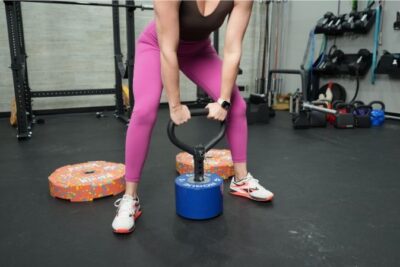
You Won't Believe the Shocking Truth Behind the Titan Fitness Kettlebell Swing Review – Is It a Game Changer or a Total Flop?
You might also like: