
You Won't Believe the Climate Wins of 2025: 10 Shocking Victories That Could Change Everything!

As climate change continues to cast a shadow over the globe, the narrative often becomes dominated by dire warnings and negative news. Yet, amidst the gloom, significant progress is being made on various fronts. In 2025, several landmark achievements in the fight against climate change offer a much-needed silver lining, showcasing that solutions are within reach and transformative action can indeed yield positive results.
📰 Table of Contents
Historic Climate Ruling by the ICJ
One of the most significant developments came in July when the International Court of Justice (ICJ), the United Nations’ highest court, issued a historic advisory opinion regarding climate change. This case, the largest ever seen by the ICJ, drew over 150 submissions from states, international organizations, and civil society groups. In its 133-page opinion, the court affirmed that a “clean, healthy and sustainable environment” is a fundamental human right, akin to access to food, water, and housing. While this ruling is not legally binding, it lays the groundwork for holding polluters accountable and empowers communities most affected by climate change. Dennis van Berkle, Legal Counsel at Urgenda, emphasized the momentous potential of using legal frameworks to protect both people and the planet.
2025 also marked a watershed year for climate litigation, highlighted by cases such as that of Belgian farmer Hugues Falys, who is suing TotalEnergies for damages to his farm, which he attributes directly to climate change. This growing trend reflects an increasing willingness to use the legal system to seek justice for environmental harm.
Conserving Our Oceans with the High Seas Treaty
In another positive stride, the European Union, alongside six of its member states, ratified the High Seas Treaty in May. This treaty represents a historic effort to protect the world’s oceans, covering nearly two-thirds of the planet's waters. By ratifying this treaty, these states have agreed to make its provisions binding international law, paving the way for the establishment of marine protected areas and fortifying the global aim of safeguarding at least 30 percent of oceans by 2030. Nathalie Rey from the High Seas Alliance stated, “EU leadership is essential in confronting the biodiversity and climate crises,” underlining the importance of this treaty in addressing mounting threats to marine ecosystems.
Renewable Energy Surges Ahead
Despite obstacles faced during the COP30 summit, where petro-states obstructed the establishment of a fossil fuel phaseout roadmap, 2025 saw a remarkable boom in renewable energy. For the first time, global solar and wind energy production surpassed electricity demand, with solar generation soaring by a record 31 percent during the first half of the year, according to a report from the think tank Ember. This surge in renewable energy production not only represents a shift in global energy dynamics but also indicates a growing reliance on sustainable sources over fossil fuels.
Solar energy emerged as the front-runner in the transition to clean energy, recognized as the cheapest source of power, costing as low as €0.023 per unit. In addition, the cost of lithium-ion batteries has plummeted by 89 percent since 2010, making solar-plus-storage systems competitive with traditional gas power plants. This trend holds promise for future discussions on phasing out fossil fuels, particularly at the upcoming Global Fossil Fuel Phaseout conference in Colombia.
Decoupling Economic Growth from Emissions
A recent report from the Energy and Climate Intelligence Unit (ECIU) revealed that the association between gross domestic product (GDP) and rising emissions is beginning to break down. An analysis of 113 countries found that 92 percent of global GDP and 89 percent of global emissions come from economies that are either decoupling emissions from economic growth or actively reducing emissions while continuing to grow. This decoupling is becoming the norm rather than the exception, as highlighted by John Lang, a report author and Net Zero Tracker Lead at ECIU, who stated, “We’re sometimes told that the world can’t cut emissions without cutting growth. The opposite is happening.”
Green Sea Turtles Making a Comeback
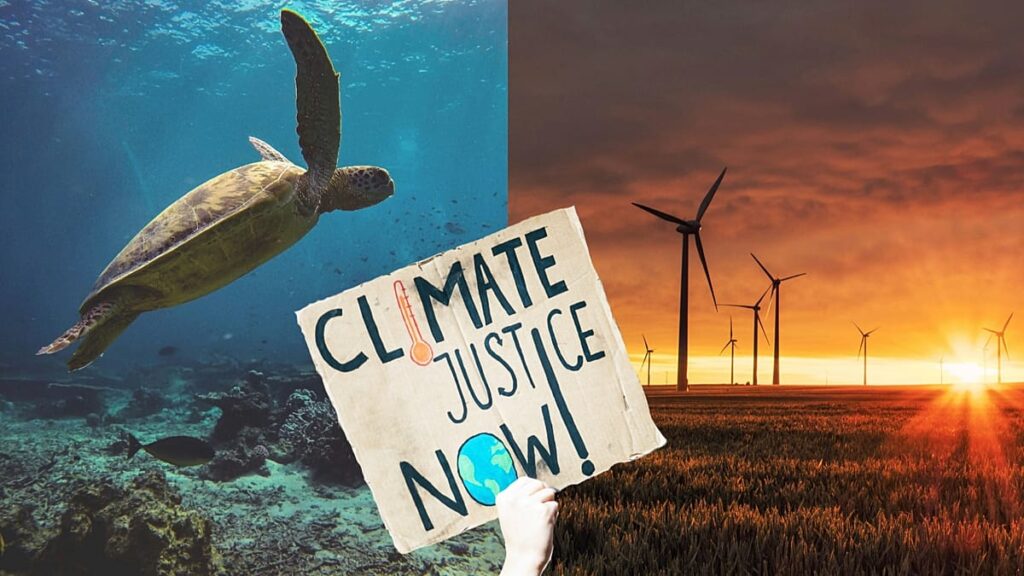
Amidst the challenges faced by wildlife in 2025, there is encouraging news regarding conservation efforts. In October, green sea turtles were reclassified from “endangered” to “least concern” after decades of marine conservation efforts began to yield results. Once decimated by hunting and habitat loss, the global population of green sea turtles has seen a dramatic increase of approximately 28 percent since the 1970s.
This turnaround can be attributed to numerous protective measures focusing on safeguarding nesting females and their eggs, curbing unsustainable harvesting, and reducing accidental capture from fishing gear. These successes illustrate not just the potential for recovery but also the importance of ongoing conservation initiatives.
As we navigate the complexities of climate change, these achievements remind us that progress is possible. From landmark legal rulings and global treaties to significant strides in renewable energy and wildlife recovery, the victories in 2025 showcase collective action's potential in combating climate change and protecting our planet for future generations.
Nvidia’s $20 Billion Gamble: Is This the AI Move That Will Change Everything? You Won't Believe What Happens Next!

Philippines Healthy Snacks Market Set to Explode: You Won't Believe the Shocking Numbers!

Can the Broncos Stun the NFL? Shocking Scenarios for Week 17 AFC Playoff Glory!

Is 'Fibermaxxing' the Secret to Losing 10 Pounds in Just 2 Weeks? Discover the Shocking Truth!

You Won't Believe Which NFL Teams Are Locking in Playoff Spots in Week 17—Shocking Bracket Revealed!

Unlock the Secret: 7 Insulated Tumblers That Could Transform Your Workday—#3 Will Shock You!
You might also like: