
You Won't Believe How Many Endangered Pygmy Possums Are Being Saved – The Shocking Numbers Will Astound You!

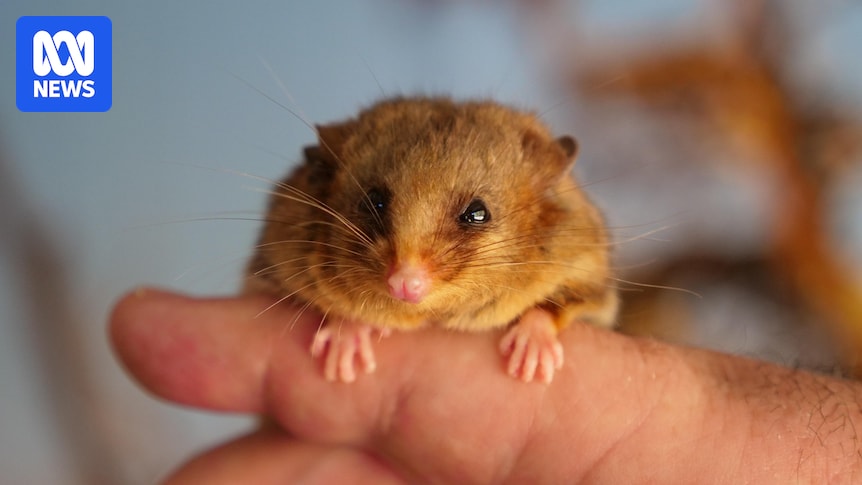
At the Secret Creek Sanctuary in Lithgow, New South Wales, Trevor Evans has witnessed a remarkable transformation over the past six years: the population of the endangered mountain pygmy possum has increased from just six to 36 individuals. This tiny marsupial, weighing less than 100 grams, is unique to Australia as its only hibernating species, spending up to seven months each year nestled under the snow.
Historically found in the peaks of the Snowy Mountains, these delicate creatures are now being bred at lower altitudes to adapt to the challenges posed by climate change. "Our work is instrumental [in its survival]," Evans states, emphasizing the urgency of their mission as fewer than 2,000 mountain pygmy possums remain in the wild.
As climate change disrupts their habitat, the mountain pygmy possum faces increasing threats. Evans describes the situation: "With the loss of snow in the Snowy Mountains, it allows predators to come up in the summer and feed on them." The absence of snow not only exposes these possums to predators but also jeopardizes their survival, as snow provides essential insulation for their nests.
Adapting to a Changing Environment
In collaboration with the University of New South Wales, the sanctuary aims to prepare the species to thrive in warmer climates by breeding them at an altitude of 1,000 meters, lower than their natural habitat above 1,400 meters. Evans believes this initiative will help the possums adapt to rising temperatures and altered mating cycles. "They have the opportunity to breed twice in a season. They breed quite readily if you give them the right opportunities," he notes.
This innovative approach was inspired by the discovery of a 25-million-year-old fossil belonging to a direct ancestor of the mountain pygmy possum. According to Professor Michael Archer of the University of New South Wales, the fossil evidence suggests that these creatures did not always inhabit alpine environments. "Every signal to us says they are not in their comfort zone now; they're struggling to survive by the skin of their teeth," he explains. Archer further emphasizes that if the possums could be reintroduced to their ancestral lowland rainforest habitats, they would likely thrive.
The reliance on snow for insulation is critical for the survival of these possums. Without adequate snow coverage, the wintry cold winds could penetrate their rock piles, potentially leading to fatal consequences. "For these possums, that would be lethal," warns Archer. "If the snow disappears, the wintry cold winds will end up going down into these rock piles and kill the possums."
While the colony at Secret Creek Sanctuary remains in captivity, Evans holds hope that these possums could bolster wild populations. "We would like to breed those and then return those possums to the wild," he shares. This strategy aims to cultivate a population that is more aware of predators and better equipped to handle rising temperatures.
Understanding these unique marsupials has proven challenging, given their deep hibernation habits. However, the sanctuary has made strides in observing their behaviors in a controlled environment. Evans recalls, "We filmed them mating for the first time. We filmed the little nest that they make when they hibernate in winter." This research allows for a deeper understanding of their diets, nesting behavior, and hibernation practices, which is crucial for effective management and conservation efforts.
Secret Creek Sanctuary has been operating for over 30 years and is home to hundreds of native species, many of which are endangered. For Evans, the work with the mountain pygmy possum has become a vital aspect of the sanctuary’s mission. "If we don't do it, and no one does, it's a species that we could lose. We need to [put in] an all-out effort, and the critical thing is funding and support," he concludes.
This initiative to save the mountain pygmy possum is not just about preserving a species; it's about understanding the broader implications of climate change on biodiversity and the importance of proactive conservation strategies in an era where many species face extinction.
Why Did U.S. Officials Suddenly Halt a Shocking COVID Vaccine Study? You Won't Believe the Consequences!

Cameron’s Shocking NBA Draft Decision: What He’s Risking by Leaving College Early!

Giants Shock Fans by Picking Unknown CB Colton Hood at No. 37 - What This Means for Their Future!

Two Arizona Freshmen Shock Fans by Declaring for NBA Draft—Will They Make History or Regret It?

AI's Shocking New Role: Are Founders Ignoring Startup Revenue Secrets Worth Millions?

You Won't Believe What Just Opened at Dublin School – 24 Fitness Stations Await, But Only for a Limited Time!
You might also like: