
You Won't Believe How Just 1 Ounce of Peanuts Can Revitalize Your Memory—Find Out Now!

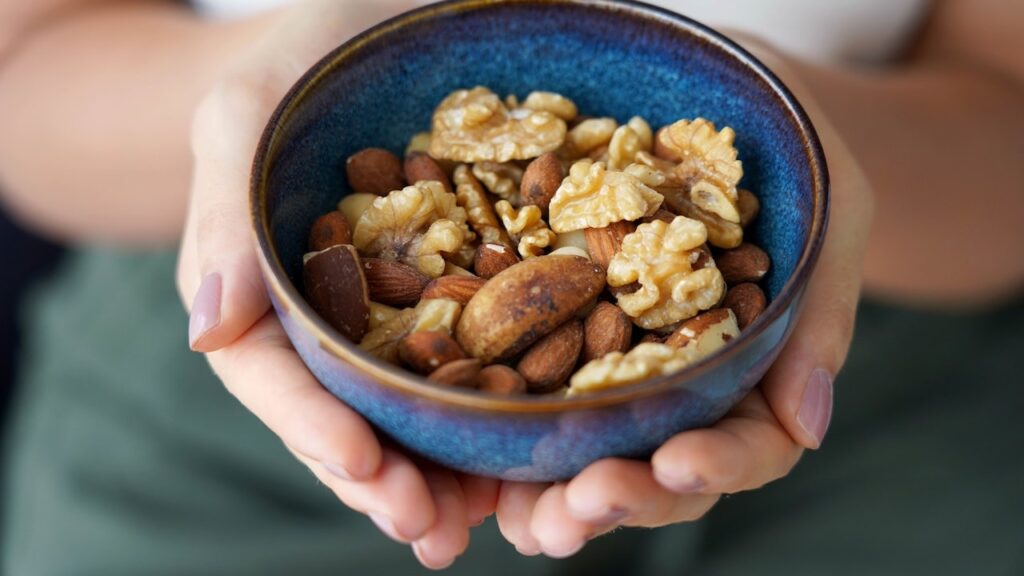
In a fascinating new study, researchers from the NUTRIM Institute at Maastricht University Medical Center in the Netherlands have unveiled promising findings suggesting that eating peanuts daily may enhance blood flow to the brain and boost memory in older adults. Published in the journal Clinical Nutrition, this research highlights the potential benefits of a simple, affordable food item in promoting brain health as we age.
The study involved 31 healthy older adults aged between 60 and 75. Participants engaged in two alternating periods: one where they consumed 60 grams of unsalted, skin-roasted peanuts daily for 16 weeks, and another where they eliminated peanuts from their diets entirely. Researchers randomized the order of these two periods and included an eight-week break to ensure that the effects from the first period did not carry over into the second.
Throughout the study, the team utilized advanced MRI technology to measure cerebral blood flow and administered standard cognitive tests to evaluate memory. At the conclusion of the peanut consumption phase, results indicated an overall increase in blood flow to the brain of approximately 3.6%. The improvements were most notable in gray matter, which is critical for functions such as memory, emotion, and decision-making. Participants demonstrated a 5.8% improvement in verbal memory tests, emphasizing the cognitive benefits tied to peanut consumption.
"[Cerebral blood flow] is an important physiological marker, because having a strong flow of blood to the brain contributes to its health," said Dr. Peter Joris, the study's author and an associate professor in the Department of Nutrition and Movement Sciences at Maastricht University Medical Center.
Dr. Joris elaborated that the findings suggest that regular consumption of peanuts may enhance overall brain vascular function. The increases in blood flow were particularly pronounced in the frontal and temporal lobes, which are essential for higher-level cognitive functions like language and reasoning.
In addition to the cognitive benefits, the study reported small reductions in systolic blood pressure and pulse pressure, indicating broader cardiovascular health benefits. Peanuts are a nutrient-dense food, rich in protein and packed with beneficial components such as unsaturated fats, fiber, polyphenols, and L-arginine, an amino acid known to support vascular health. The specific type of peanuts used—unsalted, skin-roasted—also provided additional antioxidants, contributing to improved blood flow and cognitive performance.
However, while these findings are encouraging, the study is not without limitations. The small sample size and the fact that participants were all healthy older adults raise questions about the generalizability of the results. It remains unclear whether similar effects would be observed in larger, more diverse populations, including younger individuals or those with pre-existing medical conditions. Furthermore, the study focused exclusively on this particular type and amount of peanuts, leaving room for further exploration into the effects of different forms or quantities of peanuts.
Another point to consider is the potential for a placebo effect, as participants were aware of whether they were consuming peanuts. Additionally, with the trial's relatively short duration, there is no evidence to suggest that the observed benefits would persist over time or significantly impact long-term dementia risk.
Nutritionists typically recommend moderation when it comes to calorically dense foods like peanuts. It’s advisable to choose unsalted, lightly salted, dry-roasted, or raw peanuts while balancing them with a diet rich in healthy proteins, vegetables, fruits, and whole grains.
The research was supported by the Peanut Institute Foundation, though it should be noted that the foundation did not influence the study's design, implementation, analysis, or interpretation of the data.
As we continue to uncover the links between diet and cognitive health, simple dietary changes—like incorporating peanuts into daily meals—could pave the way for enhanced brain health in older adults. With more research needed to confirm these findings, the potential for peanuts to serve as a beneficial food for brain health is certainly worthy of attention.
China's Shocking Climate Gamble: Are They Really Ready for a 30% Increase in Disasters?

Shocking CDC Vote Looms: Could Your Newborn Face a Life-Threatening Hepatitis B Risk?
Kazakhstan's Shocking Move: Will Social Media Be Banned for ALL Under 16s? Find Out Why!

Top US Vaccine Official Warns: Shocking Memo Reveals Alarming Truth—Are You at Risk?

Kyrgyzstan’s $10 Billion Climate Crisis: Are We Ignoring a Disaster of Epic Proportions?

Wall Street's SHOCKING Rate-Cut Hopes: Are YOU Ready for a $1,000 Investment Boom?
You might also like: