
You Won't Believe How Just 1/2 Cup of This Snack Could Transform Your Memory Overnight!

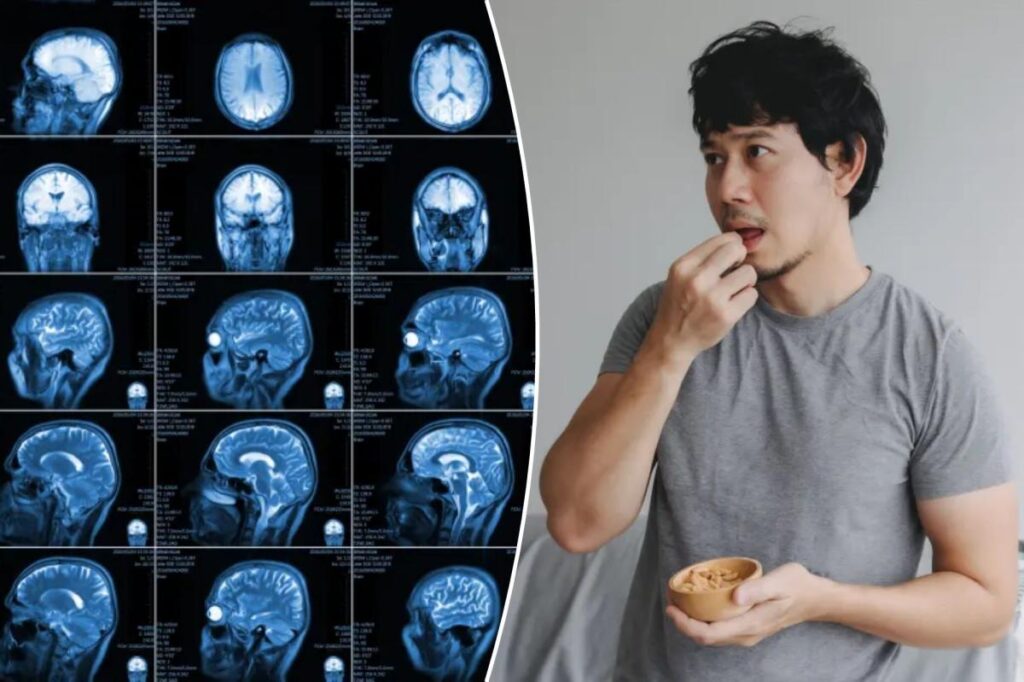
If you're a fan of peanuts, you might have more reason to indulge in your favorite snack. A recent study from Maastricht University in the Netherlands has revealed that consuming a simple, everyday food—specifically, unsalted, skin-roasted peanuts—can significantly enhance blood flow in the brain. This is particularly important as blood flow tends to weaken with age, impacting memory and overall cognitive function.
In this study, researchers recruited 31 healthy adults aged 60 to 75, who followed a 16-week regimen of eating 60 grams of peanuts each day—approximately two servings—integrated into their regular diets. The participants were instructed to avoid crushing or heating the peanuts to maintain their nutritional integrity. Throughout the study, they underwent tests assessing blood pressure, body composition, and cognitive abilities, with advanced imaging techniques employed to measure blood flow to the brain.
The results were encouraging. By the end of the study, imaging tests indicated a notable improvement in brain vascular responsiveness, essential for regulating blood flow. Participants exhibited a 3.6% increase in global cerebral blood flow (CBF) compared to the control period. Dr. Peter Joris, the study’s lead author, emphasized that CBF is a crucial physiological marker that signifies the amount of blood flowing through the brain, delivering vital oxygen and nutrients crucial for maintaining brain health.
A low CBF is linked to cognitive decline, affecting functions like attention, psychomotor speed, and memory. Notably, the researchers observed a 4.5% increase in blood flow to the brain's gray matter, with specific areas showing even greater enhancements: the frontal lobes experienced a 6.6% increase, while the temporal lobes rose by 4.9%. These regions are critical for functions such as memory, language, decision-making, and emotional control.
In practical terms, these vascular improvements translated to better recall abilities during memory tests, where participants recognized more words from a list they had seen 20 minutes earlier compared to the control phase. “For the first time, we demonstrated that peanut intake improved brain vascular function in healthy older adults,” Joris stated.
This finding is particularly significant given the rising incidence of dementia. Currently, over 6 million Americans—approximately 10% of adults aged 65 and older—are living with this debilitating disease, which claims more than 100,000 lives annually. Experts project that this number could double by 2060. Therefore, dietary interventions like peanut consumption could play a vital role in supporting brain health as people age.
While memory showed marked improvement, other cognitive areas such as executive function and psychomotor speed did not exhibit significant changes in this small study group. Researchers speculate that the benefits observed may stem from peanuts’ high levels of L-arginine, unsaturated fats, and polyphenols—all known to promote vascular health. Additionally, peanut skin contains dietary fiber and antioxidants.
The study's benefits extend beyond cognitive function. Participants experienced a decrease in systolic blood pressure by an average of 5 mmHg and a reduction in pulse pressure by 4 mmHg. Such reductions are meaningful, as elevated blood pressure can harm small blood vessels in both the brain and heart, heightening the risks of cardiovascular disease and cognitive decline. Studies suggest that individuals with uncontrolled high blood pressure during midlife face a 49% higher risk of developing dementia later in life.
Interestingly, although participants added 340 calories daily by consuming peanuts, most did not gain weight during the study. Future research will explore whether other peanut products, such as peanut butter, offer similar benefits and whether smaller amounts could be effective as well.
In summary, this study offers a promising look at how incorporating unsalted, skin-roasted peanuts into one's diet may bolster brain health and overall vascular function, especially as we age. As research continues, it may provide actionable insights into dietary choices that can help mitigate the risks of cognitive decline.
FDA's Shocking New Vaccine Approval Rules: Is Your Health at Risk? Find Out Now!

10 Raiders Make Academic All-District Soccer—But You Won't Believe Who Got Left Out!

Inside the Shocking $100 Million Startup Funding Secret: Michael Lints Reveals What Investors Don’t Want You to Know!

You Won't Believe What This B.C. Gym is Offering—Hot and Cold Therapy Deals Ending Soon!

Why a 101-City Talent Hunt is Shocking Cricket Fans: Pravin Amre Reveals Fitness Secrets!

Is Your Child's Smartphone Use Triggering a Hidden Health Crisis? Shocking New Study Reveals Alarming Risks!
You might also like: