You Won't Believe How Drones Could Save Millions of Vaccine Doses in Rwanda!

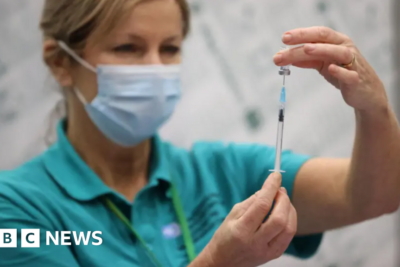
In parts of Africa, nearly a quarter of vaccine doses are wasted primarily because they haven’t been stored at the required temperatures. This alarming issue is exacerbated in remote areas where reliable power supplies and proper refrigeration are often lacking. Vaccines, essential for preventing disease outbreaks, must be kept cold; if refrigeration fails, hundreds of doses can be lost. Research from the University of Birmingham highlights a potential solution: drone delivery.
In Rwanda, commercial drone delivery is already making significant strides in healthcare, effectively transporting blood and medical supplies to remote locations. Prof. Chris Green from the University of Birmingham, who splits his time between the university and the National Health Service (NHS), noted that in Rwanda, “anywhere within the country is reachable in forty-five minutes or less.” This capability could be pivotal for improving vaccine distribution.
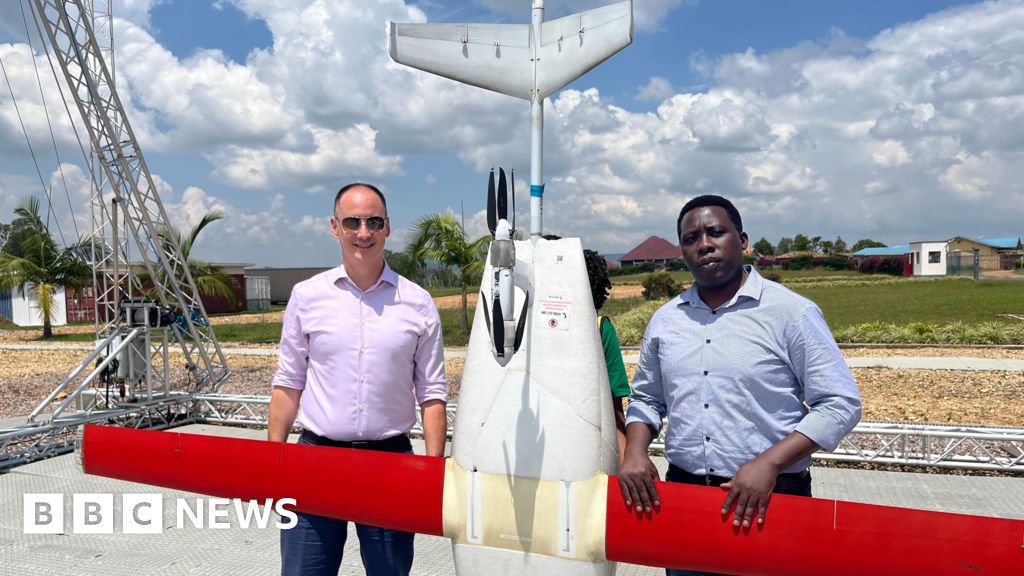
The notion is straightforward: by consolidating vaccines in a secure central location, healthcare workers can access what they need on-demand. Instead of relying on clinics to store large quantities of vaccines—which can result in wastage—medical staff can simply send a text or email requesting a delivery. Within an hour, drones, designed like mini fixed-wing aircraft, can drop off the needed supplies. These drones, which are launched using a giant catapult, deliver the vaccine via parachute, ensuring a safe landing.
A PhD student involved in the project, Gilbert Rukundo from the Rwanda Biomedical Centre and the University of Birmingham, described the rapid response of this system: “When you see the mums arriving, you order the number of vials, and even before you are done registering them, the vaccine vials are there.” This efficiency is not just a convenience; it has tangible benefits. Early analyses indicate that in some clinics, the number of vaccine vials stored on-site has decreased by 90%, allowing healthcare providers to focus on delivering essential immunization services without the burden of excess inventory.
The drone delivery model not only mitigates the risk of vaccine spoilage but also enhances access in regions where traditional transportation methods may falter. In places with inadequate road infrastructure and power shortages, the delivery of vaccines becomes a critical lifeline for communities. The implication of these findings extends beyond Rwanda; if proven effective, this model could be replicated across other countries facing similar challenges in vaccine distribution.
As drone technology continues to evolve, the potential to improve healthcare delivery systems presents a promising avenue. The hope is that as authorities witness the success of such initiatives in Rwanda, they will consider expanding drone delivery networks to further enhance immunization efforts globally. The integration of innovative solutions like drone technology has the power to transform healthcare delivery in regions that need it most, ultimately saving lives and bolstering public health initiatives.
Shocking! Free NHS Chickenpox Vaccine for Kids: Are You Missing Out on This Life-Saving Opportunity?

Shocking Upsets & Hidden Stars: 7 College Football Secrets You Must Know Before the Season Ends!

Trevon Diggs Just Dropped a Shocking 6-Word Message to the NFL—Packers Fans Are SHOOK!

Doctors Are Stunned: 7 Shocking Health Secrets You’re Ignoring That Could Save Your Life!

You Won't Believe What This Farmer Discovered on His Way to the White House—Part 2 Reveals Shocking Secrets!

CFO Shake-Up! How OPEN's Leadership Change Could Impact Your Investments by Jan. 2!
You might also like: