
You Won't Believe How Apple Transformed from a Small Garage Startup to a $2.5 Trillion Empire in Just 50 Years!

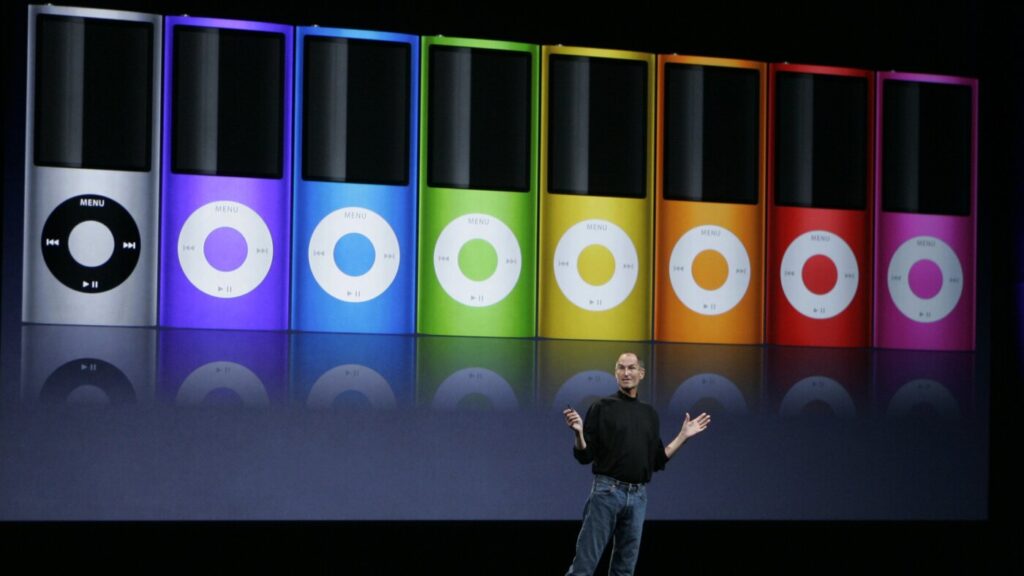
In the tech world, few narratives are as compelling as that of Apple Inc. and its co-founder Steve Jobs. In his new book, *Apple: The First 50 Years*, author David Pogue recounts a legend about Jobs that encapsulates the company's relentless pursuit of innovation. During the development of the iPod, Jobs allegedly demanded that his team create a device as small as possible. When presented with a prototype, he famously tossed it into a fish tank, observing the air bubbles that emerged. His response? "If there's air bubbles in there, there's still room. Make it smaller!" While captivating, Pogue clarifies that this story, while widely circulated, is more myth than fact.
Since its founding on April 1, 1976, Apple has become a cultural touchstone and a symbol of innovation. The launch of the iPod in 2001 marked a significant turning point, not only for the company but also for the entire music industry, propelling Apple into corporate and cultural prominence in the 21st century. It was the first of many revolutionary products, followed by the iPhone and the App Store, each reshaping how we communicate, consume, and create.
Apple's narrative is rich with stories of creativity and rebellion. The company has inspired a vast amount of mythologizing, from dedicated blogs like Cult of Mac to the 1999 TV movie *Pirates of Silicon Valley*, and even a Grammy Award-winning opera, *The (R)evolution of Steve Jobs* from 2017. As tech journalist Jason Snell notes, it doesn't matter if the tales are true or not; Apple has solidified its role as a countercultural force committed to making the world a better place. This ethos was exemplified by Apple's iconic *Think Different* ad campaign in 1997, which celebrated "the crazy ones, the misfits, the rebels."
However, the company’s mystique is not merely a product of clever marketing. According to Hansen Hsu, curator at the Computer History Museum, Apple's renegade spirit was intrinsic to its culture from the beginning. He recalls that Apple famously flew a pirate flag over its first headquarters in Cupertino, California. In those early days, when computers were largely confined to corporate settings, the original Macintosh democratized technology, standing for creativity and individual expression.
Fast forward to the present, and Apple continues to launch groundbreaking technologies. The App Store, introduced in 2008, transformed industries, giving rise to services like Uber, DoorDash, and Airbnb. Yet, this explosion of connectivity and content has not come without its downsides. Pogue points out that the rise in screen time correlates with higher levels of isolation and depression among young people. In a recent interview with *Good Morning America*, current Apple CEO Tim Cook expressed his concern about the negative effects of smartphone addiction, stating, "I don't want people looking at the smartphone more than they're looking in someone's eyes."
As Apple celebrates its 50th anniversary, it remains one of the world’s most profitable companies, yet it faces scrutiny for its corporate behavior. Cook's relationship with the Trump administration, including a personal donation of $1 million to the president's second inauguration, has raised eyebrows. When asked about this, Cook stated, "I focus on policy," emphasizing that he values accessibility to discuss policy matters over political affiliations.
Despite its challenges, Apple seems to possess a unique resilience against backlash compared to its competitors. Roxana Hadadi, a Vulture TV critic, notes that while other companies face significant public outcry for unpopular actions, Apple often escapes similar scrutiny. "I personally have not seen any 'I'm canceling Apple TV' principled stand in the same way that people canceled Disney+ and Hulu for Jimmy Kimmel being sidelined," she commented.
For many, Apple represents more than just a tech company; it embodies a spirit of creativity and innovation. Visual artist Kyt Janae remarked, "I don't see Apple as a brand the same way that I would look at any other tech company... I'm, like, locked in lifelong, no matter what happens." This dedication underscores the profound impact Apple has had on its users, resonating on both personal and cultural levels.
In a landscape where technology often feels impersonal and isolating, Apple's journey from a garage startup to a global powerhouse continues to evoke both admiration and scrutiny. As it moves forward, the challenge will be to uphold the revolutionary ideals it was built upon while navigating the complexities of modern corporate life.
Google's Shocking New Fitness Band Could Crush Whoop—Here's What You Must Know Before It's Too Late!

Is Your Instagram Account Secretly Hurting Your Mental Health? Discover Shocking Stats Now!
India's Shocking 25% Drop in Smartphone Exports: How the Iran Conflict Could Impact YOU!

Oil Crashes Under $100! What This Shocking Turn Means for Your Wallet!

Pochettino's SHOCKING Verdict: Are There Really NO USA Players in the World’s Top 100? Find Out NOW!

Shocking Appeal: Could Your Religious Vaccine Exemption Be Overturned? Experts Reveal Hidden Risks!
You might also like: