
Wyoming’s Abortion Laws Could Change Forever: What You Must Know Before It’s Too Late!

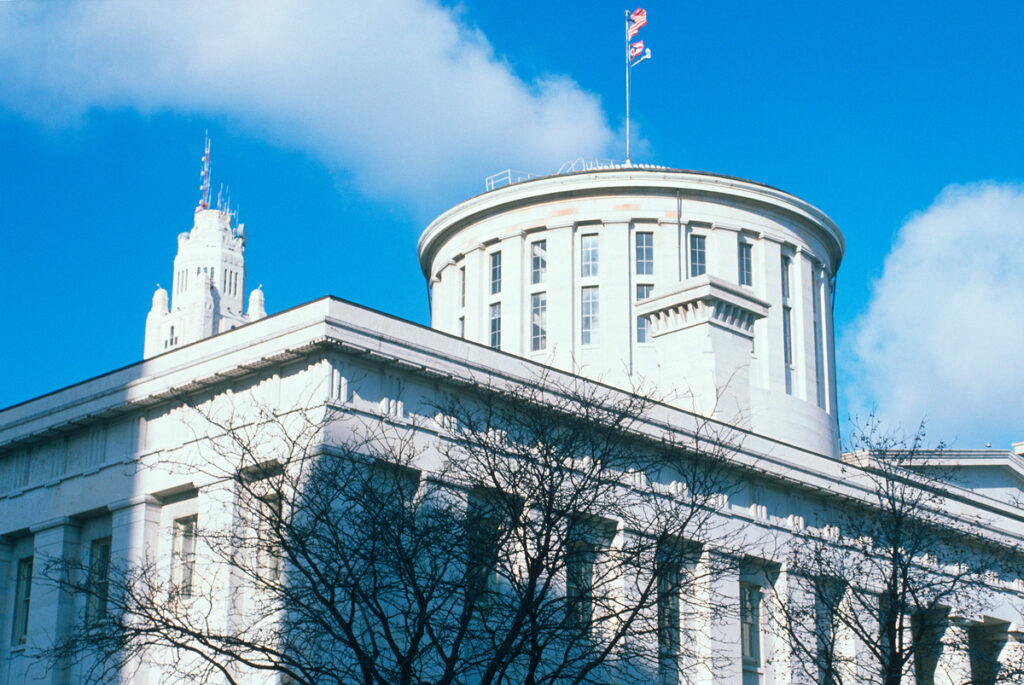
The recent ruling by the Wyoming Supreme Court has garnered significant attention, as it overturned two state laws that restricted access to abortion and abortion medication. This decision was rooted in a constitutional amendment passed by voters in 2012, which guarantees adults the right to make their own health care decisions. This unexpected move has implications not only for Wyoming but also for broader discussions surrounding reproductive rights across the United States.
In its ruling, the court employed a strict scrutiny standard to assess the state’s justifications for the laws, concluding that Wyoming failed to adequately justify its restrictions under the health care freedom amendment. This legal framework marks a significant shift in how abortion rights can be interpreted at the state level, particularly following the Supreme Court's Dobbs v. Jackson Women's Health Organization decision, which returned the power to regulate abortion to individual states.
Initially, the health care freedom amendments were conceived as political responses to the Affordable Care Act (ACA) following its passage in 2010. The ACA faced a substantial backlash, particularly from Republicans, who used it to mobilize voters during the 2010 midterms. This backlash resulted in the adoption of similar amendments in six states, aimed at asserting the right to make personal health care decisions. While initially regarded as largely symbolic—given the dominance of federal law—these amendments have emerged as potent legal tools for challenging abortion restrictions.
Ohio serves as a noteworthy example where such amendments have been litigated. In 2022, an Ohio court partially overturned a ban on gender-affirming care, citing the state’s 2011 health care freedom amendment. The state appealed, but this intersection of health care rights and judicial decisions reflects a growing trend in which broadly worded constitutional amendments are being utilized to confront various restrictions, including those related to abortion.
This brings us back to Wyoming, where the underlying amendment was passed with overwhelming support—77 percent of voters approved the measure in 2012, which explicitly states that “each competent adult shall have the right to make his or her own health care decisions.” The recent trial court ruling cited this amendment to block laws from 2023 that aimed to criminalize abortions and restrict medical abortions with limited exceptions. The argument was straightforward: abortion constitutes health care under the state constitution, a perspective ultimately upheld by the Wyoming Supreme Court in a 4-1 decision.
The crux of the court’s ruling centered on applying a strict scrutiny standard, requiring the state to demonstrate that the laws were narrowly tailored to serve a compelling government interest. The court found that Wyoming fell short of this standard, leading to the reversal of the abortion restrictions. Proponents of these laws argued that the 2012 amendment permitted the legislature to impose reasonable restrictions in the interests of public health and welfare. However, the court determined that the state had failed to justify these restrictions, which allowed it to side with the argument that access to abortion is protected under the amendment.
This ruling has sparked significant political ramifications. Reports indicate that lawmakers may pursue a new constitutional amendment to specifically define abortion as a protected right. Additionally, there are discussions among some legislators about potentially reducing the number of justices on the Wyoming Supreme Court from five to three, a move that could shift judicial dynamics in the state. The Wyoming Freedom Caucus, now holding a majority in the Wyoming House, labeled the court’s decision “a stain on the Wyoming judicial branch,” emphasizing its displeasure with what it perceives as a liberal judicial trend.
As the landscape of abortion rights continues to evolve in Wyoming and beyond, this case underscores the increasing importance of state constitutional amendments as a battleground for personal freedoms. The implications of this ruling will likely reverberate throughout the country, providing a template for how similar amendments might be used in other states facing challenges to reproductive rights. The intersection of healthcare decisions and legislative action is becoming a defining issue, highlighting the ongoing polarization surrounding this deeply personal and contentious topic.
Redwood's Last-Minute Shock: How Three Goals in Three Minutes Took Down Branson!

LA Fitness in Kingsley Square Is Shutting Down – Find Out Why You Need to Act Fast!

Thai Stock Market Set for a Shocking 30% Surge – Are You Prepared to Miss Out?

Billionaire Battle: Why Two Feuding Investors Are Risking $5 Million Over Austin's IHOP!
Is Your Browser Putting You at Risk? Discover the Shocking Consequences of Ignoring This Warning!

You Won’t Believe What $1 Million Buys You in Pacific Palisades – Shocking Real Estate Secrets Revealed!
You might also like: