
Writers Guild Shocker: Members Approve Controversial Demands—What This Means for Your Favorite Shows!

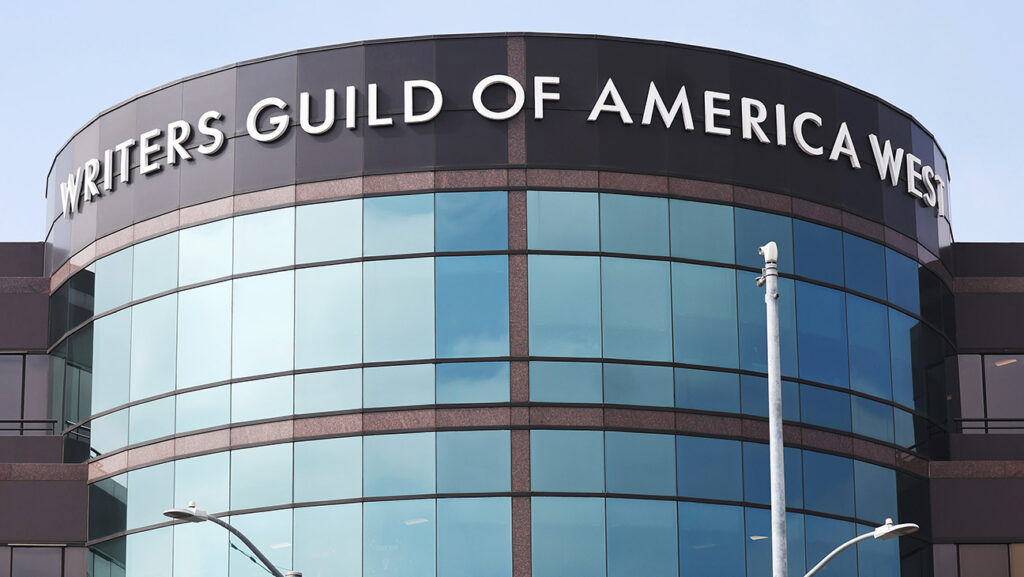
Members of the Writers Guild of America (WGA) have overwhelmingly endorsed a set of contract priorities in anticipation of upcoming labor negotiations with studios and streaming services. A staggering 97 percent of participating union members voted to approve the bargaining slate, which aims to strengthen the union’s health plan, expand protections around artificial intelligence (AI), and improve compensation for writers. The negotiations with the Alliance of Motion Picture and Television Producers (AMPTP) are set to commence on March 16.
The demands outlined by the WGA reflect a labor organization keen on enhancing contributions to its benefits plans, particularly in light of financial strains. According to tax returns, the WGA’s health fund faced significant losses, amounting to $122 million in total losses during 2023 and 2024. This decline is attributed to a downturn in work in Hollywood coupled with rising health care inflation.
While the specific proposals remain under wraps, the issue of AI will undoubtedly be a crucial point in negotiations. Following its previous contract in 2023, which established baseline protections against AI's impact, the WGA is focused on further expanding these safeguards as the technology evolves.
In addition to AI protections, the WGA is committed to advocating for better compensation for its members. Key focuses include increasing minimum compensation rates, elevating fees for "page one" rewrites, raising residuals for content reused on streaming platforms, and addressing pay rates for writers engaged in post-production and comedy variety shows.
The WGA is also expected to tackle longstanding industry practices that require writers to do “free work.” The union aims to build upon advancements made during last year’s negotiations, where it successfully established a second payment "step" for screenwriters. This year, the WGA is looking to further refine agreements surrounding if/come deals, screen roundtables, and writing employment on television series.
To discuss these priorities, the WGA previously held meetings at the Sheraton Universal in Los Angeles on February 11 and at the DC 37 office in New York on February 17. Although additional meetings were planned, they were canceled after the WGA's West Coast staff members initiated a strike.
This negotiation cycle follows a period marked by significant upheaval in the entertainment industry. The WGA will align its bargaining strategy with that of the performers’ union, SAG-AFTRA, which began negotiations with the AMPTP on February 9 and plans to continue discussions into the following week.
Notably, this marks the first occasion the WGA has returned to the bargaining table with major corporations, including Netflix, Warner Bros., Universal, and Paramount, since their lengthy 148-day strike in 2023, which centered around issues of compensation in the streaming age and the influence of generative AI.
The aftermath of that strike has left a lasting impact on the industry, with a reported 9.4 percent decrease in writer employment from the previous year, and a staggering 24.3 percent drop compared to 2022, as indicated by the guild’s annual financial report.
The WGA’s negotiation team will be led by chief negotiator Ellen Stutzman, alongside negotiating committee co-chairs John August and Danielle Sanchez-Witzel. Representing the AMPTP will be its new president, Gregory Hessinger, who took over from longtime head Carol Lombardini in 2025.
As these negotiations unfold, they will be closely watched not just for their immediate impacts on the writers and studios involved but also for their broader implications on the entertainment landscape and the evolving relationship between content creators and the technology that increasingly shapes their work.
You Won't Believe How Troup Boys Soccer Shocked Everyone on Senior Night with a Last-Minute Victory!

You Won’t Believe What Luka Doncic Just Achieved Against the Lakers – This Changes Everything!

PepsiCo's Shocking New Move: Can Lower Sugar and Celebrity Endorsements Save Their Sales?

Shocking Details Emerge: Teen Girls' Lives Ruined by Social Media Predator—What Will Happen Next?

Shocking Upsets and Last-Minute Goals: Did Your Team Survive the American Soccer Weekend?!

Could the Iran War Trigger a $3 Trillion Stock Market Crash? Shocking History Revealed!
You might also like: