
World Cup Tickets Selling Out Fast: Are You Missing Your Chance Amid Chaos?

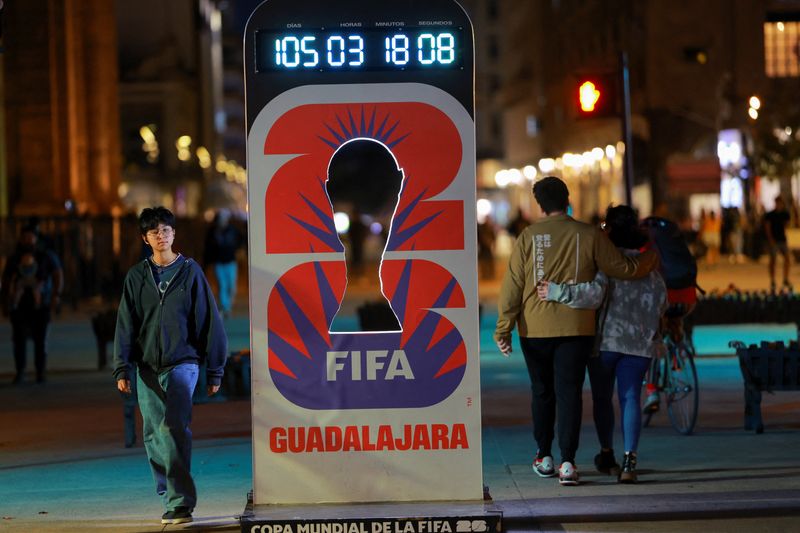
As the countdown to the 2026 FIFA World Cup reaches the 100-day mark, excitement among soccer fans is palpable, but so are concerns about the political climate in the United States and its neighboring host countries, Mexico and Canada. Ticket demand has soared, with FIFA reporting nearly two million tickets sold in the initial sales phases, and an astonishing oversubscription of over 30 times, indicating a fierce appetite for the event. FIFA President Gianni Infantino noted, “We’ll have seven million people in the stadiums… we had ticket demand for over 500 million tickets, whereby we only have six to seven million tickets for sale.” The next sales phase is set to kick off in April, post-playoffs, providing a final opportunity for fans eager to attend this highly anticipated tournament.
However, the backdrop of global unrest, particularly heightened tensions following recent U.S.-Israeli strikes on Iran, complicates this enthusiasm. Iran is scheduled to play its World Cup group stage matches in the U.S., prompting fears among international fans. German soccer fan Tom Roeder expressed his apprehension, stating, “I’m afraid I might not be allowed into the country; I’ve decided to fly to Canada at most, but not to the USA.” This sentiment reflects a wider concern among supporters regarding potential impacts of U.S. immigration policies, particularly as some fans will travel between the U.S. and Mexico for games.
Political tensions are not limited to the U.S. Mexico's own challenges, including the recent violent fallout following the death of a notorious cartel leader, have raised alarms. Mexican President Claudia Sheinbaum sought to reassure fans, declaring that there is “no risk” for visitors. Adrian Nunez Corte, leader of Unipes, a fans’ association in Spain, noted that while there is concern, the willingness to purchase tickets has not been significantly affected. He emphasized, “People are taking preparation of the necessary visas seriously to avoid problems.”
Yet, the soaring prices of World Cup tickets remain a daunting hurdle. Michael Edgley, director at Australia’s Green and Gold Army Travel, remarked, “The demand for the 2026 World Cup… is the strongest I’ve ever experienced.” The geographical complexity of hosting the tournament across 16 cities in three countries adds another layer of challenge and expense. This situation is reflected in ticket pricing, which many view as a “major drawback” affecting the number of matches fans can afford to attend. Mehdi Salem, vice-president of the French football fans association Les Baroudeurs du Sport, reported a staggering 200% increase in ticket prices compared to the 2018 World Cup, noting that his association will see only 100 of its 400 members attending this year’s tournament. He lamented, “We feel like this World Cup will not really be a people’s World Cup, but rather an elitist World Cup.”
The secondary ticket market further exacerbates the issue, with many tickets reselling above face value, a practice legal in the U.S. and Canada. FIFA has defended this model, explaining that revenue generated from ticket sales is reinvested into global football development. Despite this, the sticker shock is undeniable, impacting fans’ ability to travel and attend matches as planned. As the 2026 World Cup approaches, the intersection of sport, politics, and economics presents a complex landscape that fans must navigate.
Kentucky Athletics in Crisis? Mitch Barnhart's Shocking Retirement Sparks Chaos!

Unlock a $120 Bonus NOW: Find Out Why This NBA Promo Code Is Going Viral! Don't Miss Out!

Walmart’s Shocking Strategy: How Their MLS Deal Could Change Soccer Forever—Are You Ready?

Unlock the Secret: 8 Surprising Habits That Could Slash Your Heart Risk—Are You Missing Out?

Senate Shock: Noem's Bombshell Testimony Could Change Everything for 2026 Elections!
Your Browser is Failing You: 7 Shocking Risks You Can’t Afford to Ignore!
You might also like: