
Why India and Indonesia Are Cracking Down on Social Media: You Won’t Believe the Shocking Numbers!

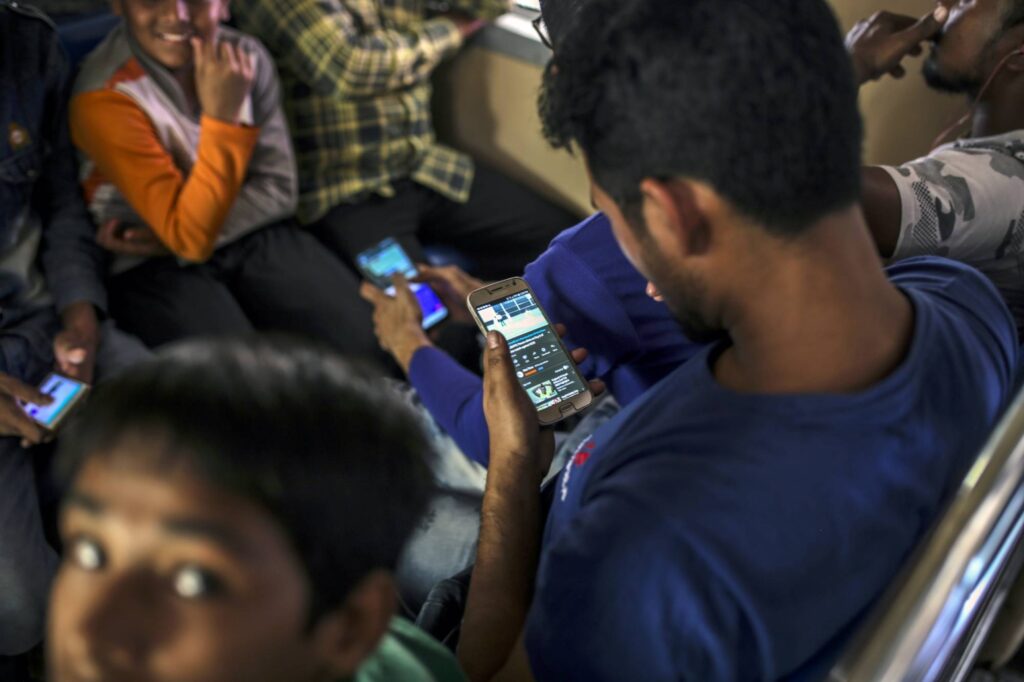
In a significant move that reflects growing global concerns about the impact of social media on youth, two of the world’s most populous countries—India and Indonesia—are taking steps to restrict teenagers' access to popular platforms. These actions are part of a broader international conversation about the potential harms these digital spaces may pose to children and adolescents.
In India, the state of Karnataka, which hosts the technology hub of Bengaluru, has become the first region in the country to propose a ban on social media access for those under the age of 16. This initiative underscores a growing recognition among Indian lawmakers that platforms like Facebook, Instagram, and TikTok can expose young users to various risks, including cyberbullying, addiction, and inappropriate content.
Meanwhile, Indonesia has announced plans to prohibit minors from creating accounts on "high-risk" digital platforms, which also include TikTok and Instagram. This decision follows a wave of criticism regarding the dangerous effects of social media on children, highlighting a shared concern among nations about the well-being of the younger generation in the digital age.
The conversation gained considerable traction after Australia introduced a social media ban for youths that is set to take effect in late 2025. This policy has sparked discussions around the globe, prompting other governments to consider similar restrictions. A strong advocate for such measures, French President Emmanuel Macron, emphasized the importance of regulating social media usage during a recent speech at the India AI Impact Summit. Following Indonesia's announcement, Macron expressed his support for the move via a post on the platform X, formerly known as Twitter, further amplifying the dialogue about youth safety online.
As these countries take steps to limit teenagers' access to social media, the implications of such policies extend beyond national borders. Critics argue that these restrictions could infringe on personal freedoms and hinder the digital literacy of young people who increasingly rely on social media for communication and information. However, proponents contend that the protective measures are necessary to safeguard children from the mental health issues and harmful content often associated with unrestricted access to social media.
The ongoing debate raises important questions about the balance between protecting youth and promoting their autonomy in the digital realm. As India and Indonesia join a growing list of countries considering similar regulations, the international community will be watching closely to see how these initiatives are implemented and their eventual impact on the social media landscape.
Ultimately, the move to restrict social media access for minors may mark a significant shift in how societies approach the digital engagement of young people. With various countries now leading the charge in this movement, it seems that the conversation around youth, technology, and regulation is only just beginning.
Writers Guild Shocker: Members Approve Controversial Demands—What This Means for Your Favorite Shows!

You Won't Believe How Troup Boys Soccer Shocked Everyone on Senior Night with a Last-Minute Victory!

You Won’t Believe What Luka Doncic Just Achieved Against the Lakers – This Changes Everything!

PepsiCo's Shocking New Move: Can Lower Sugar and Celebrity Endorsements Save Their Sales?

Shocking Details Emerge: Teen Girls' Lives Ruined by Social Media Predator—What Will Happen Next?

Shocking Upsets and Last-Minute Goals: Did Your Team Survive the American Soccer Weekend?!
You might also like: