
Why Dmail's Sudden Shutdown After 5 Years Could Cost You Thousands – Don’t Miss This!

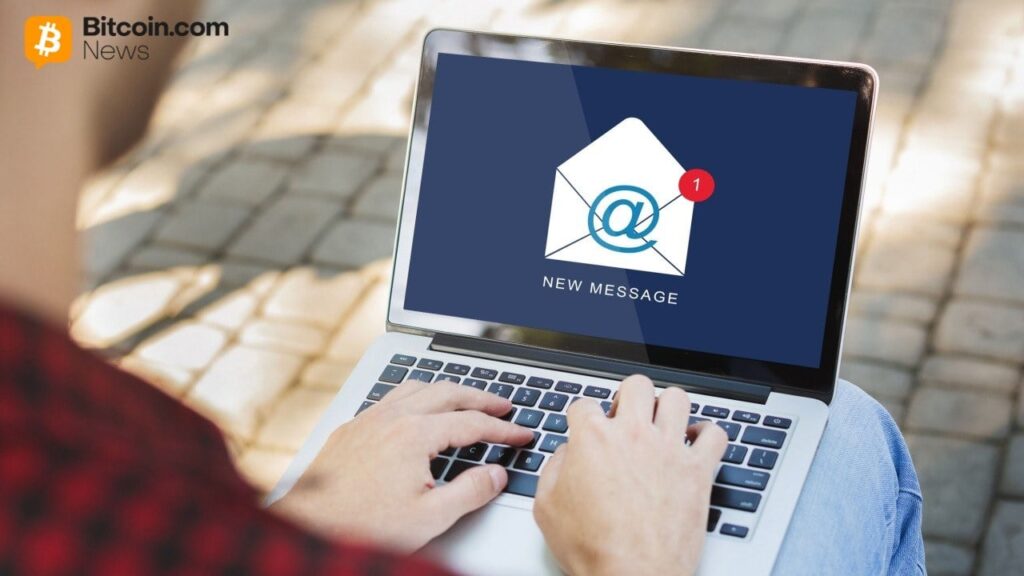
The decentralized email service, Dmail Network, will officially terminate its operations on May 15, 2026, signaling a significant shift in the landscape of decentralized communication tools. This decision comes amid challenges posed by high infrastructure costs and an unsustainable economic model that the company has faced over the past five years.
Dmail’s leadership shared that the decision is a result of prolonged strategic evaluations, revealing difficulties in managing the high expenditures related to decentralized storage, bandwidth, and computing. Despite the team’s efforts to innovate through various commercialization paths and paid models, the project ultimately could not achieve a sustainable business loop. Factors contributing to this downfall included a lack of large-scale adoption of its native token and the cooling of the cryptocurrency market, which has impacted many blockchain-based ventures.
In a statement reflecting on the situation, the remaining team indicated that various attempts to secure financing or potential acquisitions fell short, leading them to this regrettable conclusion. “This is the outcome we least wanted to see, but it is also the most responsible choice for our users, the community, and the remaining team,” they stated.
For Dmail users, the closure presents an urgent call to action. The organization is advising users to log into the Dmail decentralized application to utilize the newly launched mail export tool and account cancellation features. All user data—including email content, Non-Fungible Token (NFT) domains, and points—will be permanently deleted once the service ceases to operate in mid-May 2026.
This closure of Dmail Network raises broader questions about the viability of decentralized platforms in a market that is still maturing. The challenges Dmail faced are symptomatic of a larger trend within the decentralized technology space, wherein many projects struggle to find sustainable revenue models and user adoption in a highly competitive environment.
As technology continues to evolve, it is crucial for users to stay informed and proactive about digital services they depend on. With the deadline approaching, the emphasis is on ensuring that personal data is safeguarded and transitioned to more stable platforms, such as Gmail. This case serves as a reminder of the volatility that can accompany emergent technologies and the importance of having contingency plans in place.
White House Shocks Nation: Press Access to Trump Cut Amid Alarming Health Rumors! What’s Happening?

You Won't Believe What Happy Seniors Over 70 Know That You Don't—The Shocking Secret to Lasting Joy!
Chamath Palihapitiya's Shocking Quantum Warning: Will Bitcoin's $1 Trillion 'Honeypot' Be the Next Target?

St. Pauli U19 Coach Drops Bombshell: Is Men's Soccer Condemned by Homophobia? You Won't Believe the Fury!

You Won't Believe What's Coming to the Former Sherman Grocery Store – Real Estate Alert!

Pacers vs Cavaliers: Shocking Predictions That Could Change Your Bets Forever! Don’t Miss Out!
You might also like: