
Why Did the US Just Pull Out of the WHO? Shocking Consequences Await!

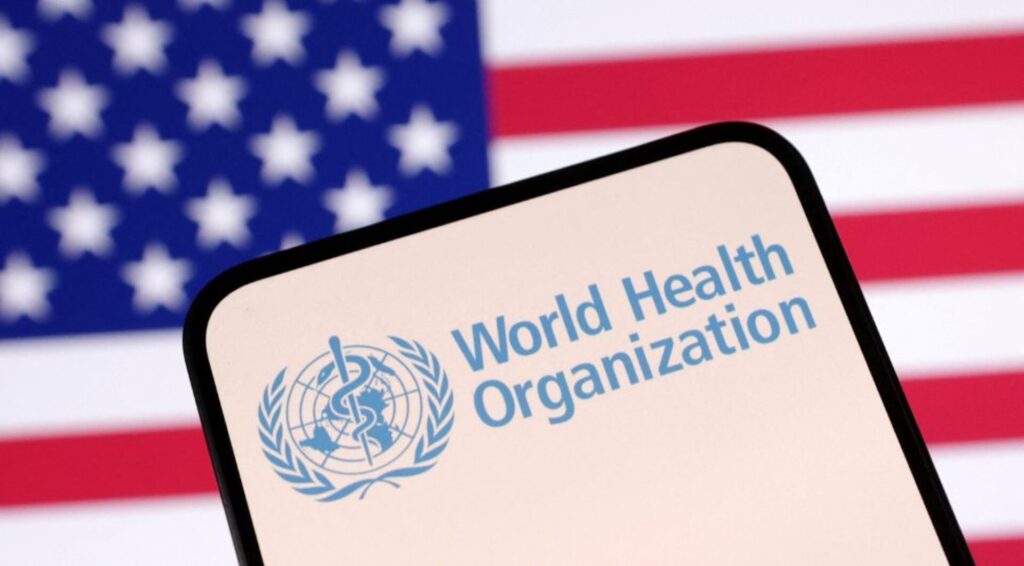
In a significant policy shift, United States Health Secretary Robert F. Kennedy Jr. and US Secretary of State Marco Rubio jointly announced on Thursday that the United States has officially completed its withdrawal from the World Health Organization (WHO). This marks the first time since the organization's inception in 1948 that the US will not be a member. The withdrawal was previously foreshadowed by former President Donald Trump, who had signaled intentions to exit the WHO during his first term in office, a process that has now culminated.
In their statement, Kennedy and Rubio attributed the withdrawal to what they termed the WHO's "failures during the COVID-19 pandemic." They indicated that future US engagement with the organization would be limited solely to facilitating the withdrawal process and ensuring the health and safety of the American populace. Notably, they confirmed that all US funding for the WHO has ceased.
Earlier this month, WHO chief Tedros Adhanom Ghebreyesus acknowledged the funding shortfalls resulting from the US withdrawal, stating that the organization had to make cuts as a consequence. United Nations Spokesperson Stephane Dujarric clarified that, "for all intents and purposes," the US is no longer participating in WHO activities, though some legal details surrounding the withdrawal still need to be finalized. He expressed hope that the US would eventually resume its role as a full participant in the organization, emphasizing that health issues transcend borders and require international cooperation.
The implications of this withdrawal are far-reaching. Critics, including public health advocate Lucky Tran, have argued that the WHO has played a crucial role in forging international collaborations to tackle disease and reduce mortality rates globally. Tran stated on social media that while the organization is not without its imperfections, "we can only improve it by continuing to participate." He labeled the withdrawal as "reckless" and a move that could make all nations more vulnerable to health crises.
Historically, the WHO has been instrumental in addressing health issues that know no borders, such as the Ebola and Tuberculosis epidemics. The organization has coordinated responses to humanitarian disasters and health emergencies worldwide. With 194 member countries before the US withdrawal, the WHO's role in global health coordination is unparalleled.
Trump's earlier announcement regarding the withdrawal was intended to take effect on January 20, 2025, coinciding with the beginning of his second term. However, a clause created by the US allowed for the withdrawal to become effective this week, following the necessary one-year notice period and fulfillment of financial obligations. As noted by Steven Solomon, the WHO's chief legal officer, the original founders did not include a withdrawal provision, believing in the organization's mission to make the world safer.
The decision to withdraw from the WHO could have lasting repercussions on global health initiatives, particularly in times of crisis. As health challenges continue to evolve, the need for a unified international response has never been more critical. The withdrawal raises questions about how the US will navigate future health crises and its role in international health governance.
Could Novavax's Shocking Move Transform Pfizer's Vaccine Game Forever? Don't Miss This!
Is Your Browser Putting Your Personal Data at Risk? Discover Shocking Truths Before It's Too Late!

Governor's Shocking $10 Million Trade Grant Announcement: Will Your Kids Miss Out?

Is This the Genius Behind the $1 Billion Factory Robots Revolutionizing Our Workplaces? You Won't Believe His Next Move!

Mandira Bedi's Shocking Fitness Revelation: Lifting More Weight at 53 Than in Her 30s! What’s Her Secret?

This 3D Startup Just Secured $1.5M! You Won't Believe What They Plan to Do Next!
You might also like: