
Why Banning Social Media Could Cost You $1,000 in Lost Opportunities—Find Out How!

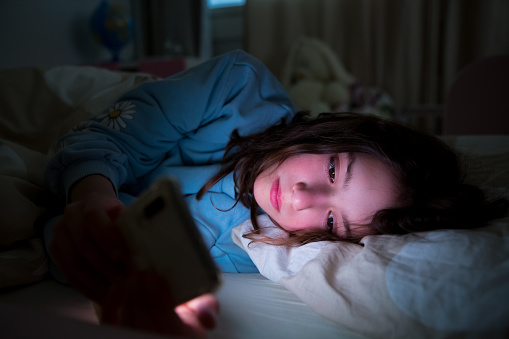
The debate surrounding the impact of social media on mental health, particularly among adolescents, has intensified in recent months. Legal actions have been taken against major tech companies, with Meta and Google held liable in a U.S. legal claim for designing their platforms to be addictive. Meanwhile, Snapchat is under investigation by the European Union for failing to protect children. The conversation has led to drastic suggestions, with some advocating for outright bans on social media access for teenagers. Countries such as Australia have already implemented a ban on users under 16, and several European nations—including France, Spain, Denmark, Norway, and Austria—are following suit. Indonesia is also moving toward similar regulations, while the UK will conduct a pilot trial to assess the feasibility of a social media ban.
The argument for these bans largely derives from claims made by Jonathan Haidt, author of The Anxious Generation. Haidt argues that social media serves as a significant contributor to a global decline in adolescent mental health, particularly affecting teenage girls. He has engaged with leaders from numerous countries to discuss these proposed restrictions. The rationale for stringent measures rests on two primary assertions: first, that rising rates of anxiety, depression, and self-harm among teenagers closely coincide with the proliferation of smartphones and social media; second, that while much of the existing evidence may be correlational rather than causal, the patterns are compelling enough to warrant immediate action.
However, the evidence linking social media directly to mental health deterioration is less robust than often claimed. Critics of Haidt's assertions argue that the relationship is complex and ambiguous. A study examining over 300,000 adolescents in the U.S. and the UK found that technology use had a negligible impact on overall well-being, with an association too weak to drive significant policy changes. To put that into perspective, the effect was comparable to wearing glasses. In contrast, factors such as bullying had over four times the association with negative mental health outcomes.
Moreover, the literature on social media and mental health often suffers from issues related to confounding variables. Many teenagers experiencing anxiety or depression may simply be drawn to social media more than their peers. This creates a challenge in determining whether social media is a cause of their unhappiness or a refuge they seek in times of distress. Even longitudinal studies, which track individuals over time, yield mixed results: 38% found no overall relationship, while 33% identified a connection between increased usage and worse mental health. Notably, one study even discovered an inverse correlation.
The latest World Happiness Report highlights that under-25s in English-speaking countries have seen significant declines in well-being over the past decade, while elsewhere, trends appear stable or even positive. This raises questions about why social media might uniquely harm English-speaking populations. One theory posits that cultural factors and distinct social dynamics contribute to the problematic interactions with smartphones. Another perspective suggests that external issues, like oppressive housing markets, may be at play.
Interestingly, individual experiences often contradict the notion that social media is solely harmful. Many users express dissatisfaction with their time spent online. Research indicates that blocking smartphone access can enhance well-being. One study involving Canadian and U.S. adults found that restricting mobile internet access for two weeks led to improved life satisfaction and decreased depressive symptoms. Participants who managed to reduce their smartphone use reported similar benefits, suggesting that the time wasted on social media could be better spent on more fulfilling activities.
As smartphones displace vital activities like sleep, in-person socialization, studying, and exercise, it becomes clear that the core issue may not be social media itself but rather what it replaces. This distinction is critical; the broader consequences of smartphone usage, as multifunctional devices, reshape young people’s experiences and interactions.
While bans might address certain anxieties, they could also eliminate the genuine benefits these platforms offer. Vulnerable individuals often find community and support online, and social media serves as a primary news source. Research conducted on adults who deactivated their Facebook accounts before the 2018 mid-term elections found they struggled to answer questions about current events accurately, suggesting that the potential loss of access could have significant consequences.
Instead of imposing blanket bans, a more nuanced approach could focus on regulating how technology is used. This could include removing phones from classrooms and curtailing addictive design features like endless scrolling. If mental health is genuinely the focus, it might be more productive to address established risk factors like bullying, family instability, and pre-existing mental health conditions, which have proven to exert a much stronger influence on well-being.
The trials currently taking place in the UK, Australia, and elsewhere may help illuminate the effects of social media bans and digital curfews. However, pursuing a straightforward ban risks oversimplifying a complex narrative while diverting attention and resources from interventions that could yield more substantial benefits.
Urgent Alert: USDA's Shocking Plan to Release 30,000 Rabies Baits in Georgia—What You MUST Know!
You Won't Believe How Indonesia's Immunization Workforce Just Hit a Shocking Crisis Point!

Is the Blue Economy Doomed? Shocking Policies You MUST Know Before It's Too Late!

Explosive Evidence Unveiled: Is the Former AG Mayoral Candidate the Mastermind of Election Fraud?

You Won't Believe What Employees at This Company Say About Their Shocking Work Environment!

Is Your Daily Walk Failing You? Discover the Shocking Truth About Fitness That Could Change Everything!
You might also like: